Hendra Virus Update
In recent years, a deadly disease–hendra virus–has been making waves in the Australian equine industry.

In recent years, a deadly disease–hendra virus–has been making waves in the Australian equine industry.

Sleep deprivation is an important, but not fully understood, equine health condition.

Using cooled-shipped semen to breed mares is a common practice, but not all spermatozoa tolerate cooling well.

Treatment of mares with oral gallium nitrate significantly reduced fecal concentrations of virulent R. equi.

Hyperbaric oxygen therapy might benefit horses with certain injuries or illnesses; more research is needed.
Until recently, owners and vets considered equine dental floating the most important aspect of dental care.

Colic survival rates have improved greatly over the years, but timely treatment and diligent aftercare still a

Fluphenazine, a human antipsychotic drug, has drawbacks that often preclude its use in horses.
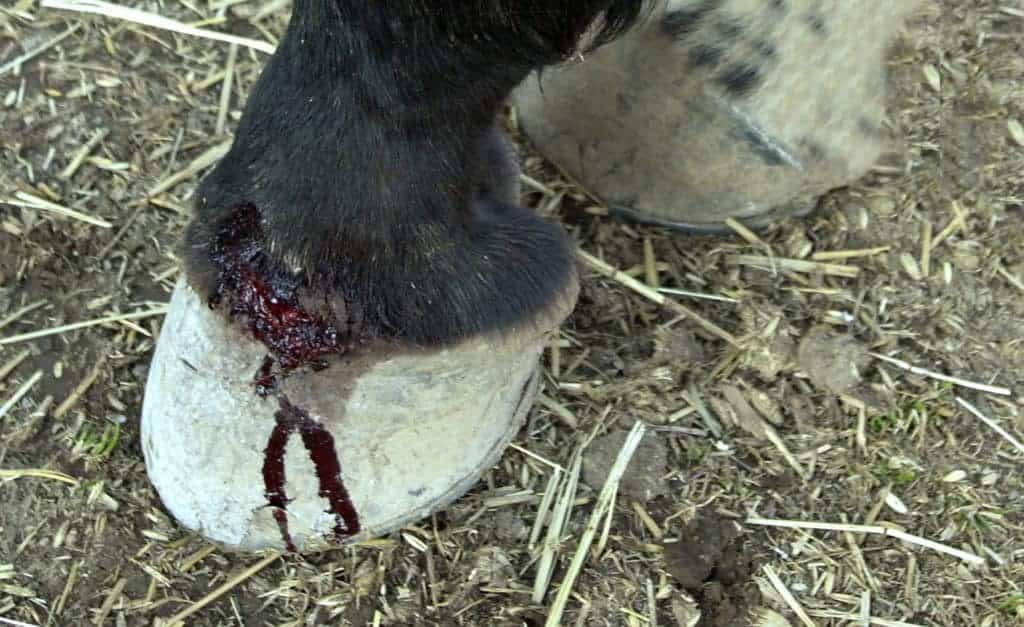
Delayed wound closure involves suturing wounds four to five days after injury.
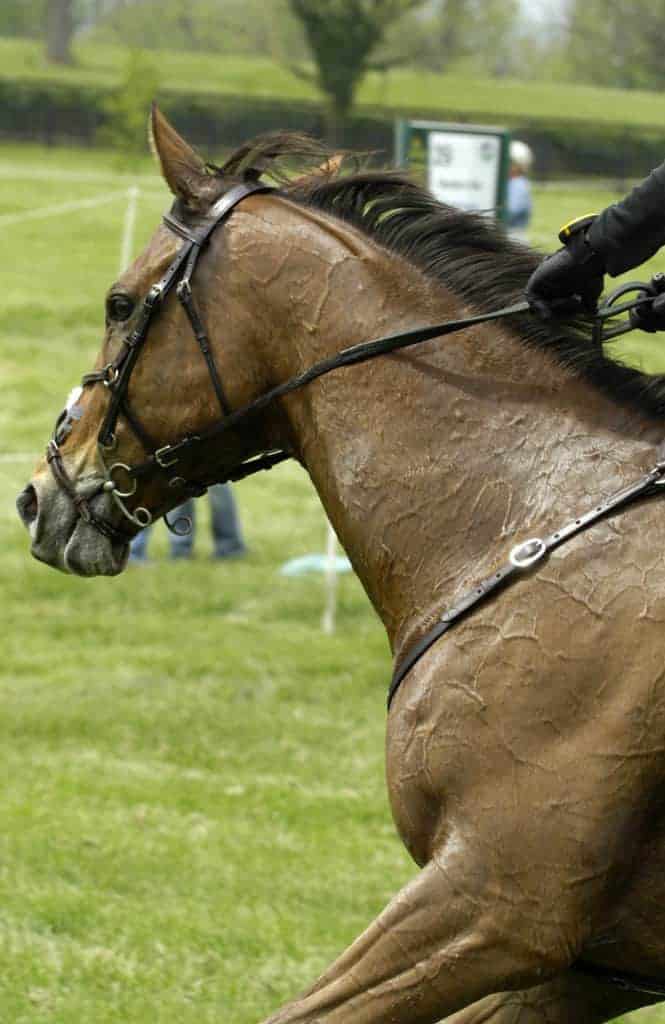
Researchers recently assessed the feasibility of functional electrical stimulation in roarers.
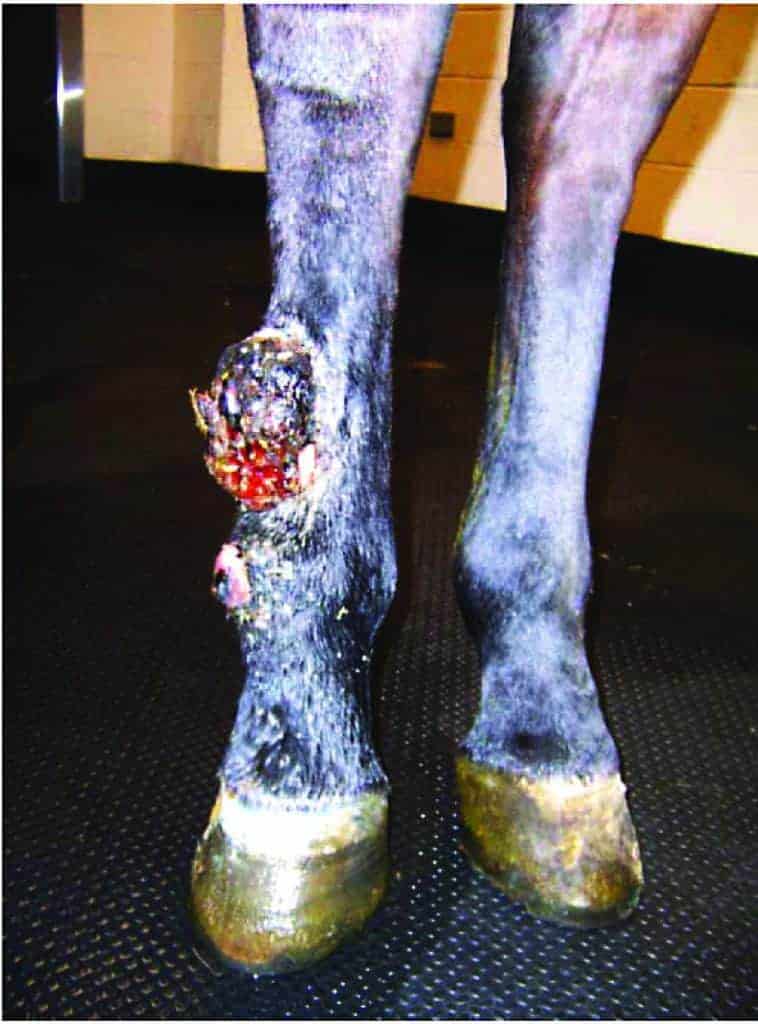
Equine wounds need to be managed carefully to prevent the development of exuberant granulation tissue.
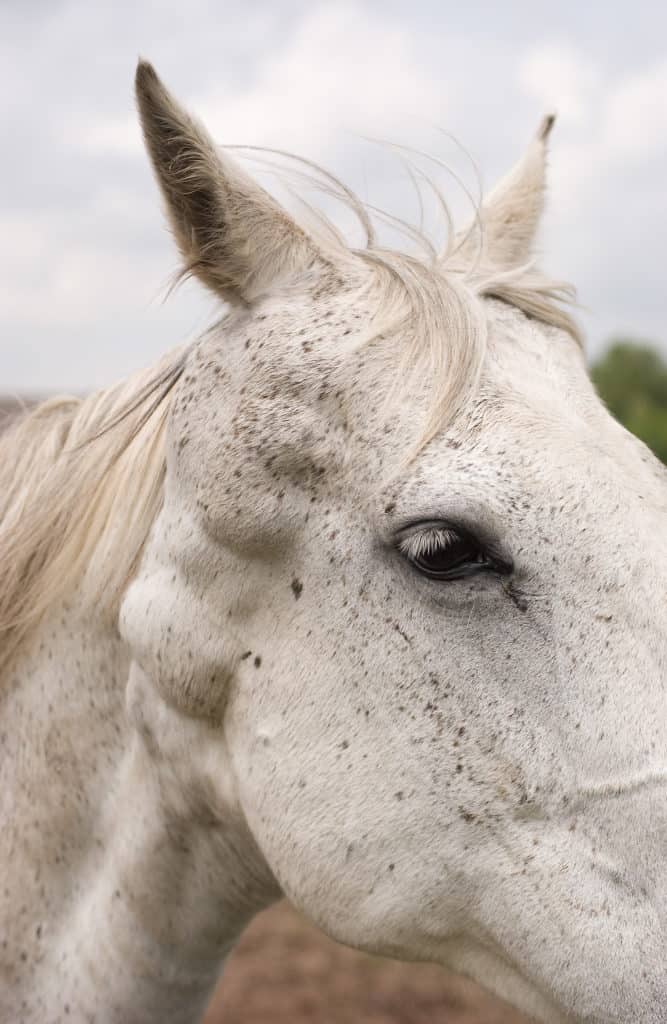
Researchers are testing a ‘cancer vaccine’ to determine if it might be a viable equine treatment option.

A horse in respiratory distress or displaying other signs of airway ailments warrants a call to a veterinarian
Priority emphasis will be given to applications that have the most impact on horse health and welfare.

Studies in human medicine are yielding promising results to support aucpuncture use in equine reproduction.
Researchers find large intestinal thickening could indicate multiple diseases in addition to colic.