Racing’s Future Without Fatal Fractures: Science Fiction?
A veterinarian with a focus on racehorses shares thoughts on how to reduce the number of catastrophic injuries.

A veterinarian with a focus on racehorses shares thoughts on how to reduce the number of catastrophic injuries.

The system measures fat deposits near the stomach and small intestine, around the heart, neck crest, and rump.

Learn about several substances that can cause heart muscle damage and death in horses.

Scientists theorized that hair cortisol levels could help identify early stage pituitary pars intermedia dysfunction.

Squamous cell carcinoma is the most common cancer found in equine eyes and the second most common equine tumor overall.
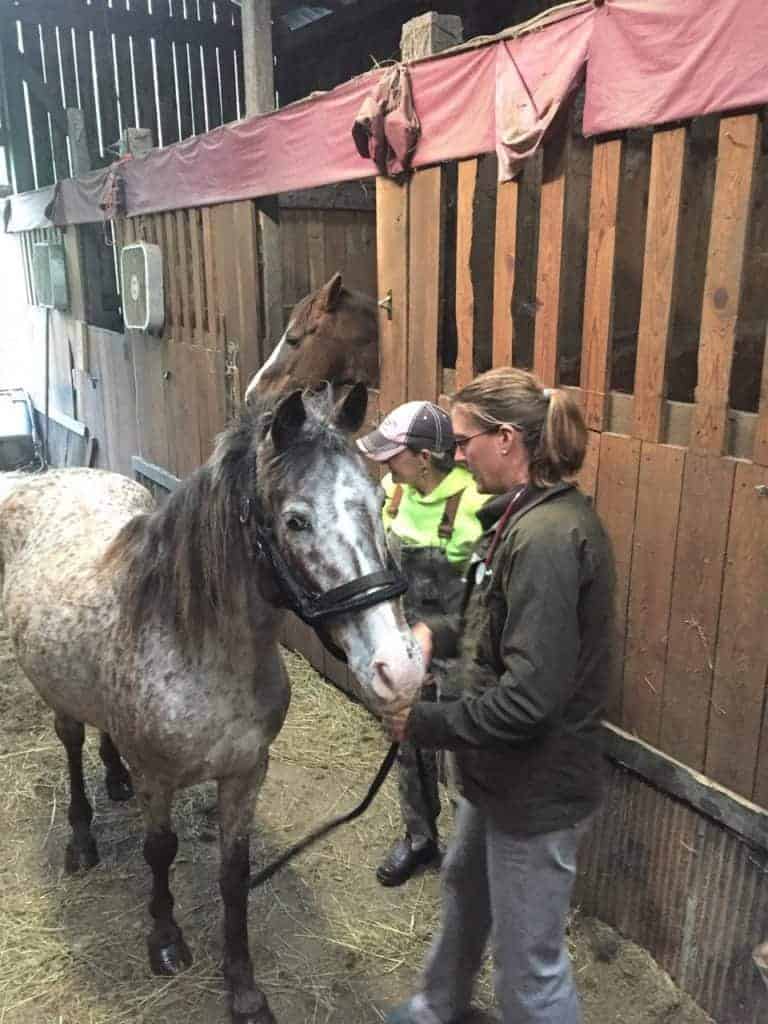
A PhD student describes her recent experience applying her research skills during an equine community outreach event.

Cantering kept racehorses fitter during periods of reduced exercise intensity than walking or staying stalled.

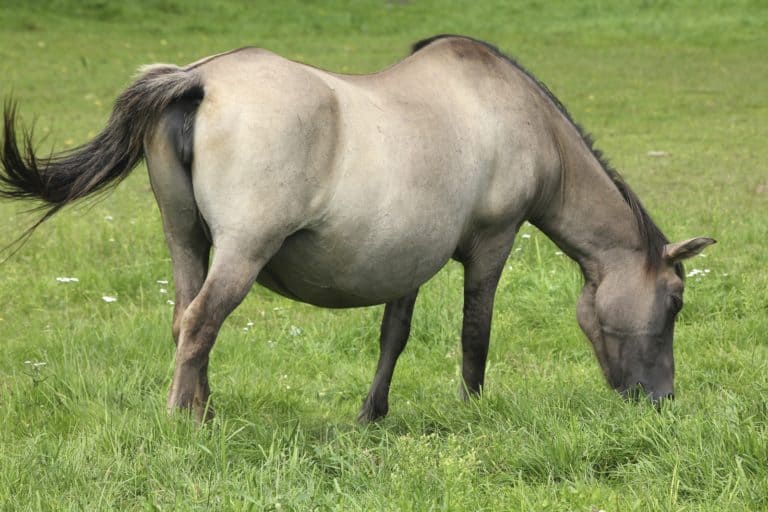
Causes of collapse in apparently healthy horses range from sleep deprivation and pain to muscle disorders and pregnancy.

EMS horses had less microbial diversity than healthy horses, potentially impairing gut health and affecting metabolism.

Hormone concentrations can help diagnose reproductive problems, determine pregnancy status, and more.

Study results revealed that three commercially available dewormers showed poor efficacy on the majority of farms tested.
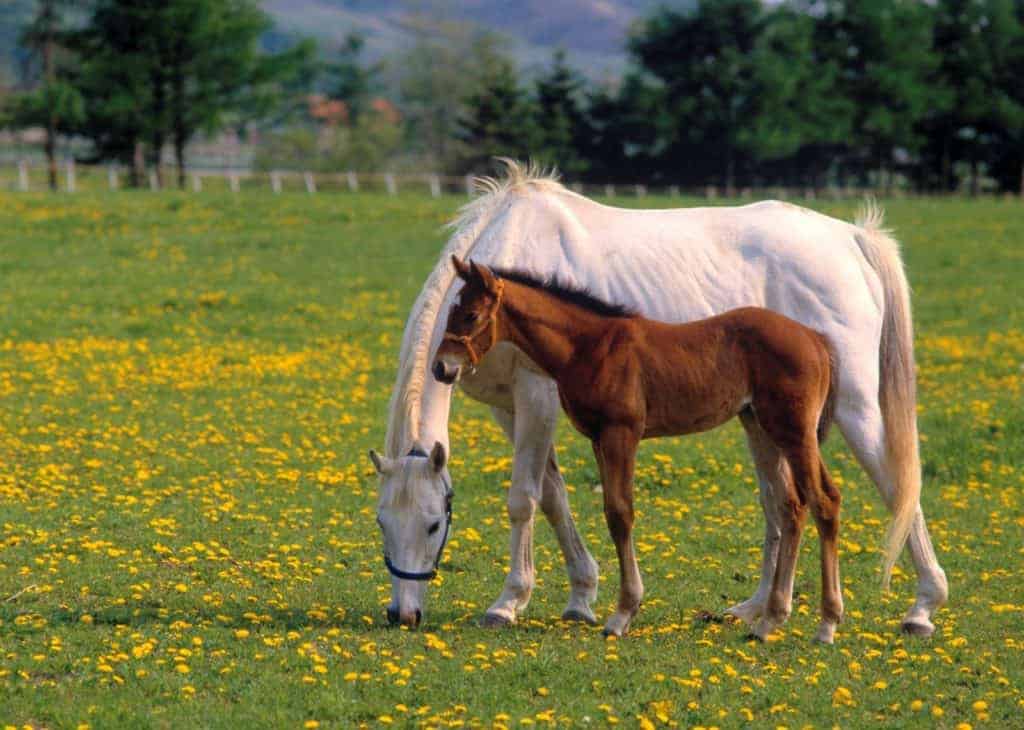
Researchers found that over- and underfeeding can affect foals’ bone growth, metabolism, and testicular development.

Follow Tess, a 16-year-old mare, step-by-step as she rehabs from a bought of PPID-related laminitis.

Researchers concluded that MRI can effectively show pituitary gland and pars intermedia size, as well as small details not readily visible on CT scans.

Obtaining an accurate diagnosis is key to managing pituitary pars intermedia dysfunction. Here are the pros and cons of PPID tests, old and new.

Foals with lesions had reduced peak vertical forces in the affected limb, suggesting reduced weight-bearing.