National hunt racing and steeplechasing call for extremely fit horses and rigorous training programs. But how each horse manages these programs’ workloads can vary. Overwork can lead to health, performance, and welfare issues. Fortunately, recent study results suggest heart rate monitoring can allow trainers to assess racehorses’ workloads and adjust training for improved conditioning and race outcomes.
“Heart rate monitoring has real advantages for the trainer,” said Jane Williams, PhD, researcher in the Hartpury University Centre equitation science department, in Gloucester, England. “It’s powerful how we can bring science and technology together to support training.”
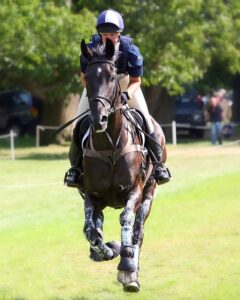
In their study, Williams and her fellow researchers used commercially available heart rate monitoring technology on 10 national hunt racehorses, averaging 9 years of age, during training sessions. Horses warmed up prior to the gallop for 1 kilometer (about 0.6 miles), then galloped at 20 miles per hour for three furlongs (one furlong is an eighth of a mile), and walked for three furlongs. Then, they repeated these exercises twice. The researchers recorded average heart rate and end-of-session heart rate during all three sessions in each horse, once a week for six weeks. She presented their work at the 2017 International Society for Equitation Science Symposium, held Nov. 22-26 in Wagga Wagga, Australia.
Study Results
They found that for 60% of the gallop runs, the horses worked within normal aerobic exercise levels with heart rates between 120 and 180 beats per minute, Williams said. The other 40% resulted in anaerobic exercise, meaning the tissues were not getting enough oxygen. As such, they were exceeding the target maintenance workload
Create a free account with TheHorse.com to view this content.
TheHorse.com is home to thousands of free articles about horse health care. In order to access some of our exclusive free content, you must be signed into TheHorse.com.
Start your free account today!
Already have an account?
and continue reading.