Horse PAC Releases 2014 Annual Report
In 2014 Horse PAC raised $293,405 and disbursed $227,000 to federal political candidates and leadership PACs.


In 2014 Horse PAC raised $293,405 and disbursed $227,000 to federal political candidates and leadership PACs.

The board will discuss issues relating to the management of wild horses and burros on Western public rangelands.
The stray donkey tested positive after being apprehended and quarantined at a USDA holding pen in Texas.

Horses require two doses of the vaccinations initially and then boosters at least annually.
The cobalt threshold will be submitted to the RCI for consideration as a model rule at its April meeting.
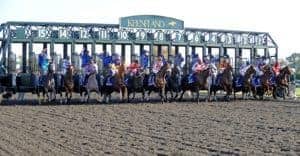
Measures include out-of-competition drug testing, increased security, monitoring veterinary records, and more.
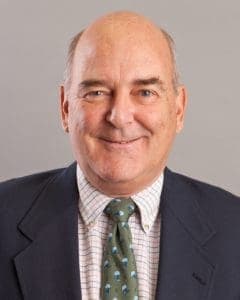
Benson (Ben) Bennett Martin, Jr., VMD, died March 18 at the age of 68 following a long illness.

Protocols will include out-of-competition drug testing, heightened security, publicized veterinary records, and more.
The Ontario Racing Commission will work with the racing industry to develop a practical approach to cobalt testing.

The decision will allow for the continued use of fertility control on the Pryor Mountain Wild Horse Range.
State statutes require a brand inspection if owners plan on buying, selling, adopting, gifting, or selling horses.
EquiMania! is designed to educate visitors about equine safety, horses’ skeletal and digestive systems, and more.

The need for a robust, workable equine identification system was discussed at the 2015 British National Equine Forum.
The centers will welcome people of all ages and experience levels into their barns to learn about horses.
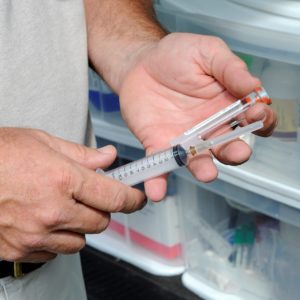
The Jockey Club budgeted $250,000 for out-of-competition testing for tracks hosting graded stakes races in 2015.

The Thoroughbred Retirement Foundation expects its hay costs in 2015 to exceed $220,000.