Feeding Freshly Baled Hay to Metabolic Horses
When can you safely feed freshly baled hay? Find out how curing and harvest timing can affect hay safety for metabolic horses.


When can you safely feed freshly baled hay? Find out how curing and harvest timing can affect hay safety for metabolic horses.
If your horse struggles to keep weight on in summer, here’s how to safely increase his calories.

Learn which calming supplement ingredients work and things to consider before choosing or administering a product to your horse.

Understanding the equine gut microbiome can help you create and support healthy microbial populations in your horse’s digestive system.

An equine nutritionist explains why beet pulp might be a useful addition to your senior horse’s diet, especially during colder months.

How to ensure the late-gestation mare is getting enough nutrients to meet both her needs and those of the developing fetus.
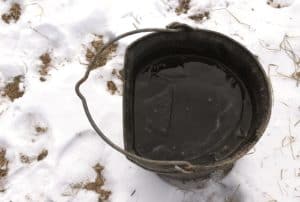
When the temperatures drop, make sure your horses always have access to water and are drinking enough.

Here’s what seasonal treats are safe for horses and what you should consider when feeding them.

Proper storage techniques help prevent spoilage, preserve nutrients, avoid mold, and protect against pests, supporting your horse’s health and maximizing your investment.
Horses with laminitis can still enjoy an occasional carrot or peppermint, but safer options include low-sugar fruits, veggies, and commercial treats.

One reader wants to know how she can manage her metabolic horse that is also prone to gastric ulcers. Here’s what she should consider.

Find out why your horse might be more prone to impaction colic during winter and how you can reduce the risk.

Freezing and storing fecal microbiota transplant product in saline and glycerol might maintain the most viable microbial communities for horses with intestinal problems.

Learn how to calculate the amount of forage your horse or pony needs to achieve a healthy weight and what types of hay might be best for weight loss.

Find out what health conditions overweight horses might be more likely to develop and how you can help your horse safely lose weight to improve his performance.

Performance horses’ lifestyles put them at a greater risk of developing gastric ulcers. An equine nutritionist explains how to combat this.