Kimberly S. Brown

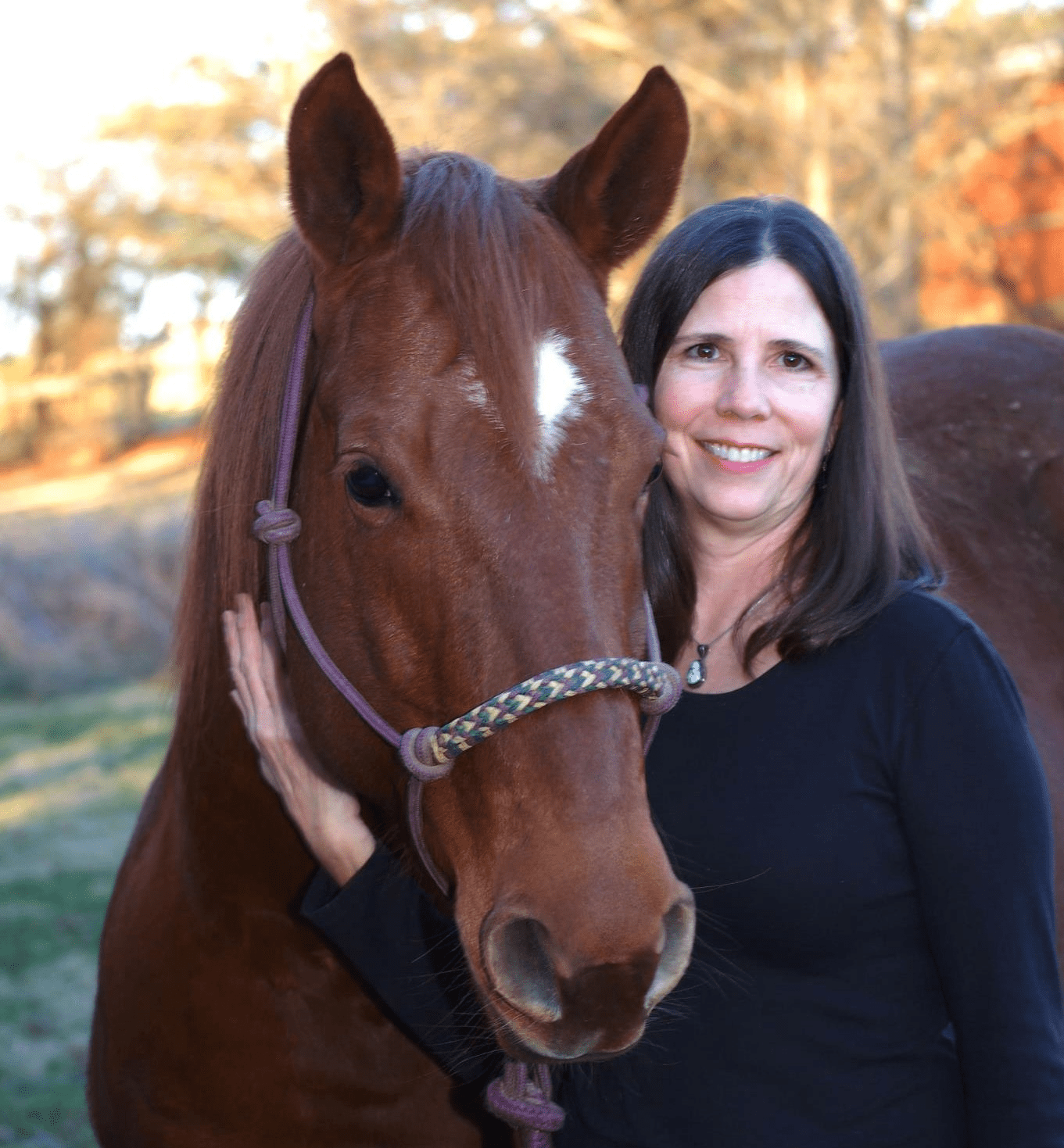
Kimberly S. Brown has served as editor and continues to contribute to My Senior Horse, which she founded for Equine Network and Linda Mars. She previously spent 10 years at Equine Network and three years working in equine nutrition. Before that, she worked nearly 30 years at The Blood-Horse, spending her final 15 years on The Horse and TheHorse.com.

Articles by: Kimberly S. Brown

AAEP Attendance Near Record

Attendance at this year’s American Association of Equine Practitioners Convention was headed toward record levels as nearly 2,500 equine veterinarians had registered by the first day. Depending on attendance at the trade show and Sunday
Read More

What Do You See For 2003?

We’ve certainly had some tough moments in the past couple of years. And despite worry, the industry is strong, but changing. While some of the top-level owners of competition horses–those who own horses as business investments–might be jumping

Read More

Unusual Fall Abortions in Kentucky

Pathologists at the Kentucky Livestock Disease Diagnostic Center (LDDC) in Lexington noticed that a few more fetal losses were being seen than was usual during August, September, and October. That prompted increased surveillance and reporting,

Read More

Species Resistance

A retrospective study at the University of Pennsylvania showed a possible pattern of resistance to antibiotics by the isolates. During the five-year study period, 1,604 horses underwent ?clean? elective surgical procedures. Of those, 23 (1.43%)

Read More

Pigeon Fever in Kentucky

An unusual outbreak of the bacterial disease ?pigeon fever,? also known as dryland distemper, has been occurring in Kentucky over the past three weeks, according to Doug Byars, DVM, a specialist in internal medicine and equine critical care. He

Read More

Actinobacillus Species Resistance

A retrospective study at the University of Pennsylvania showed a possible pattern of resistance to antibiotics by the isolates. During the five-year study period, 1,604 horses underwent “clean” elective surgical procedures. Of those, 23 (1.43%) had postoperative wound infections, and Actinobacillus species were isolated from 10 of the 23 (43%). Seven horses survived and three were

Read More

The Colicky Foal

The first thing to decide in a foal with abdominal pain is if the colic is surgical or non-surgical, said Bernard. He stressed the importance of observance “before you jump on it” and start taking vitals and administering medications.

Read More

Pilot Study Implicates Outer Portion of ETC

Since the beginning of the mare reproductive loss syndrome in 2001, there have been many theories as to the cause of the problems. Honing in on the extreme number of Eastern tent caterpillars (ETC) in 2001 and 2002, studies have shown that early

Read More

One More Piece in MRLS Puzzle

Researchers at the University of Kentucky Livestock Disease Diagnostic Center (LDDC) have uncovered one more piece in the puzzle that is known as mare reproductive loss syndrome (MRLS). Whatever caused early fetal losses and late-term abortions

Read More

Things to be Thankful For

With fall comes Thanksgiving, followed quickly by Christmas, then the New Year starts us all over again. Where did 2002 go? Where have the past few years gone? In 1999, we were all worried about Y2K (haven’t heard that one in a while, huh?). Lat

Read More

Comfrey Targeted for Removal

Earlier this year, the Association of Animal Feed Control Officers (AAFCO, a non-profit organization of state and federal feed regulators that has no regulatory power, but helps guide national interpretation of feed laws) planned to select one o

Read More

Bluegrass Equine Reproduction Symposium: Stallions

A four-day seminar focusing on reproduction education for veterinarians was hosted by Hagyard-Davidson-McGee veterinary firm in Lexington, Ky., Oct. 23-26 This is the fifth year for a fall seminar hosted by the group, which now alternates with a

Read More

Fall Abortions in Kentucky

Pathologists at the Kentucky Livestock Disease Diagnostic Center (LDDC) in Lexington noticed that a few more fetal losses were being seen than was usual during August, September, and October. That prompted increased surveillance and reporting,

Read More

West Nile Still Here

West Nile encephalitis virus caused an outbreak and deaths in humans and horses in the northeastern United States in the late summer and early fall of 1999. Recent isolations of the virus from adult mosquitoes and a dead bird in New York state

Read More

More From The Horse

FEMA_-_34534_-_Horses_in_a_flooded_Missouri_pasture
reddish brown standing horse with vibrant colors in a metal grid box, the facial expression looks sad, by day, without persons
Pferd im herbstlichen Wald
Insektenplage. Schönes Pferd frei zwischen gelben Blumen auf einer Wiese wird von Insekten attackiert

Stay on top of the most recent Horse Health news with

FREE weekly newsletters from TheHorse.com

Sponsored Content

Weekly Poll

sponsored by:

Readers’ Most Popular

The Horse
Privacy Overview

This website uses cookies so that we can provide you with the best user experience possible. Cookie information is stored in your browser and performs functions such as recognising you when you return to our website and helping our team to understand which sections of the website you find most interesting and useful.