‘Equine Asthma’ Now an Official Diagnosis
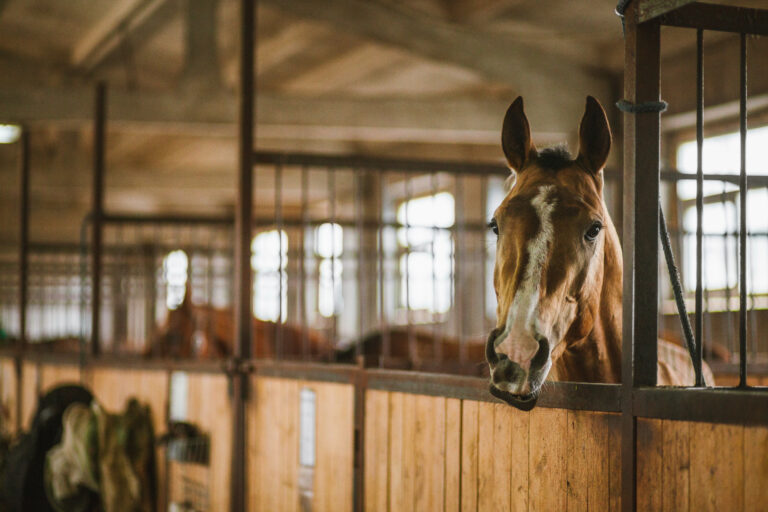
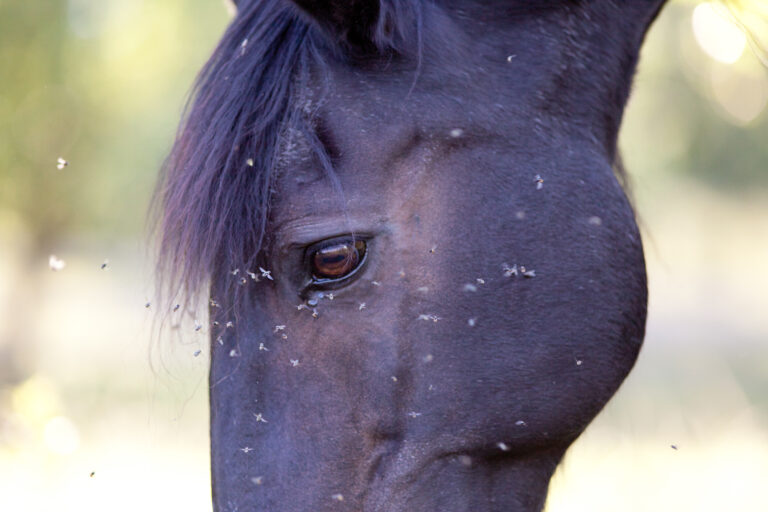
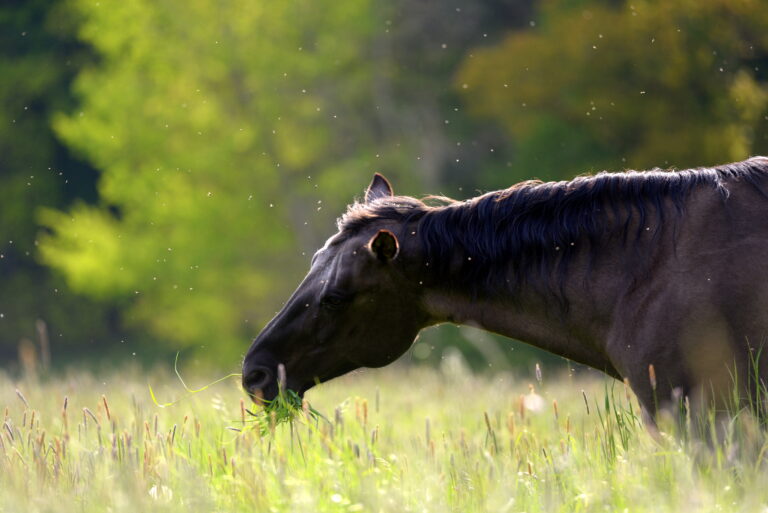
Inflammatory airway disease and recurrent airway obstruction fall under the “equine asthma syndrome” umbrella.


Inflammatory airway disease and recurrent airway obstruction fall under the “equine asthma syndrome” umbrella.

Researchers recently described a novel and still experimental procedure designed to treat PPID with positive results.

Scientists found a gene that could identify superior tractability, or how easily a horse can be trained or controlled.

This is the first study to identify a potential genetic, rather than environmental, cause for foal loss in mares.

Soft tissue damage resulted in a larger increase in SAA levels than bone and joint injuries, researchers found.

Long-distance transport poses risks for horse health and welfare that should not be taken lightly, researchers found.

The overall pregnancy rate in this study was 90% and, on average, mares got back in foal about 45 days after abortion.

Chronically laminitic mares developed potentially detrimental changes in uterine blood flow during pregnancy.
Researchers believe pathogenic forms of Leptospira bacteria are associated with more than 60% of ERU cases.

Discover what diseases your horse can catch from other animals, big and small.

Researchers are hoping to make the preferred embryo freezing procedure available to more breeders.

Placentitis can wreak havoc for mare owners, so it’s important for vets to have a good understanding of the condition.
Learn how to alter senior horses’ diets to maximize health and longevity in the face of common health issues.

Cryopreserved epididymal sperm can be valuable if a stallion will be castrated or if he dies unexpectedly.
Reproductive tract injuries can result in the presence of blood in a stallion’s ejaculate, called hemospermia.

Veterinarians share their experiences in delivering pain management and discuss the pros and cons of various drugs.