Processing High- and Low-Quality Semen in Horses (AAEP 2011)
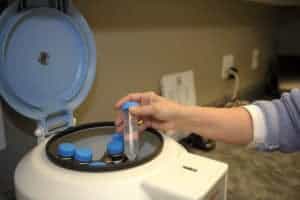
Using cooled-shipped semen to breed mares is a common practice, but not all spermatozoa tolerate cooling well.


Using cooled-shipped semen to breed mares is a common practice, but not all spermatozoa tolerate cooling well.

With neither cure nor vaccine in existence, veterinarians and researchers must supervise EIA closely.

Delayed wound closure involves suturing wounds four to five days after injury.

Researchers recently assessed the feasibility of functional electrical stimulation in roarers.

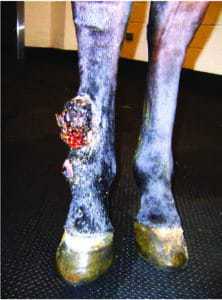
Equine wounds need to be managed carefully to prevent the development of exuberant granulation tissue.

Researchers are testing a ‘cancer vaccine’ to determine if it might be a viable equine treatment option.

Removal of the equine third eye lid using sedation and local anesthesia appears to be safe and effective.

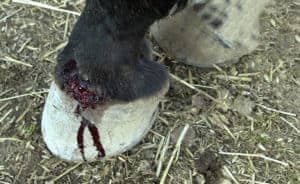
One researcher says that it is very rare to see a spontaneous quarter crack not associated with sheared heels.

An equine surgeon described an improved casting technique to reduce cast complications.
A recent study showed anti-Mullerian hormone levels is a useful test for detecting granulosa cell tumors.

Regional limb perfusion can be performed safely, effectively, and comfortably without general anesthesia.

The buffered chelators had no deleterious effects on the endometrium or the establishment of pregnancy.
The team measured anti-Mullerian hormone in the blood to successfully diagnose chryptorchidism.
A single dose of dexamethasone at breeding time did not appear to interfere with ovulation.
If slots at racetracks are cut the racing industry will suffer irreparable harm, an industry member said.
Researchers compared different suture materials’ integrity for closing abdominal incisions from colic surgery.
Stay on top of the most recent Horse Health news with