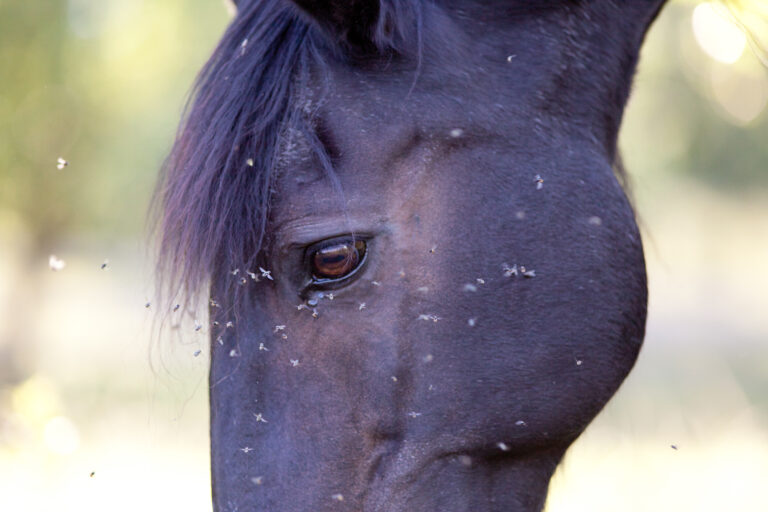
Equine Tracheal Mucus Associated with Airborne Particulates
Athletic horses exposed to airborne particles could experience enough mucus buildup to limit performance.


Athletic horses exposed to airborne particles could experience enough mucus buildup to limit performance.

Study finds that modified version of laryngoplasty surgery is effective in treating roaring in horses.

Study finds giving antibiotics before long-distance transport could reduce fever and decrease airway bacteria.
Emerging and re-emerging diseases can devastate equine populations and cost the industry millions of dollars.

A recent study revealed a “disproportionately high accident rate” in humans working with and around horses.

A study confirms omeprazole can prevent gastric ulcer formation in young racehorses.

Researchers found that recovery periods during conditioning could improve horse training efficacy.

Researchers collected information about health problems experienced by young horses being prepped for sale.

While some studies support the use of equine nasal strips, others have yielded less promising results.
Freezing or inhibiting fecal samples from diarrheic horses allows C. perfringens detection for weeks longer.

Freezing or inhibiting fecal samples from diarrheic foals and horses allows scientists to detect C. perfringens in the samples for at least five weeks, upping the chances of diagnosis.

Test for the common endocrine disorders Cushing’s disease and equine metabolic syndrome and treat accordingly.

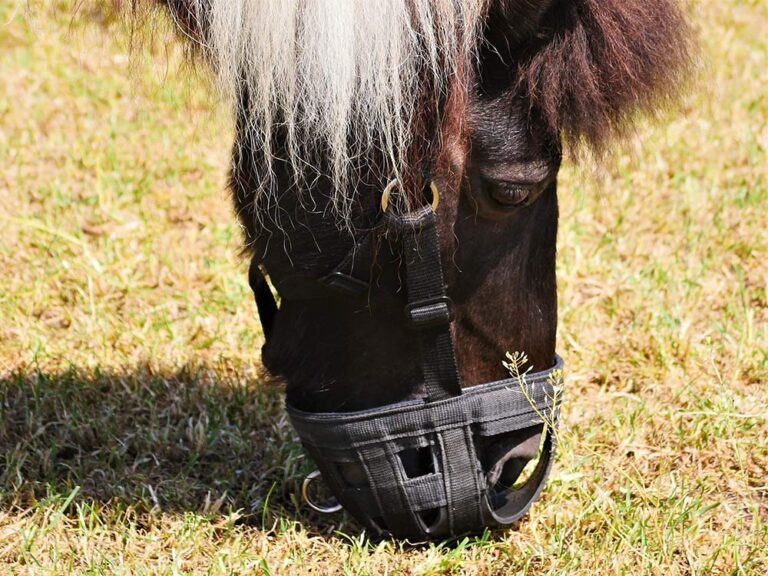
Researchers recently identified risk factors for bad behavior in a population of Pony Club horses.

There are two main types of pharmaceutical drugs: those manufactured by pharmaceutical companies and are FDA approved; and those that are “compounded” by either a licensed veterinarian or pharmacist. In equine medicine, compounded drugs are only considered if a horse needs to be treated with a medication but no FDA-approved formulation is licensed for horses.
The War Horse Welfare Education Fund will receive $10 from each ticked bought by an OEF member.

West Nile Virus (WNV) causes a potentially fatal encephalomyelitis (inflammation of the brain and spinal cord) in a variety of species such as birds, horses, and humans.