Stem Cell Approach Ineffective for SDFT Injuries (AAEP 2012)
Researchers found no significant improvement in SDFT injuries treated with mesenchymal stem cells.


Researchers found no significant improvement in SDFT injuries treated with mesenchymal stem cells.
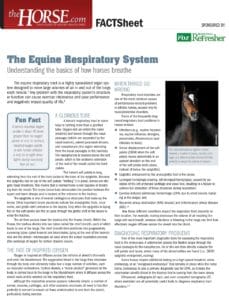
Equine respiratory system dysfunction is an important cause of exercise intolerance and poor performance in horses.

Prompt diagnosis and treatment of fungal uterine infections are necessary for a positive outcome.

Proper and timely intervention can mean the difference between a live foal and a lost one.

N-butylscopolammonium bromide could be useful for helping veterinarians examine horses’ eyes.
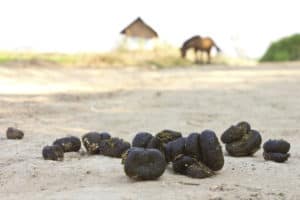
Your horse’s fecal production and appearance can be an indicator of good or poor health.

Using both MRI and scintigraphy could be beneficial when diagnosing suspensory-ligament-related injuries

Supporting broodmares’ overall and nutritional health during lactation is especially crucial.

One veterinarian describes five factors that can negatively impact pregnancy and how to respond to them.
One veterinarian describes how to prepare the stem cells, horse, and equipment for treatment.
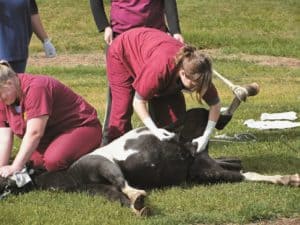
Researchers found that stallions can still lead productive lives as studs with only one testis.
Equine metabolic syndrome can put pregnant mares in an especially precarious in situation.

Rhodococcus equi is well known for its ability to cause severe pneumonia in young foals, but it can also cause septic arthritis (infection of joints), osteomyelitis (infection of bones), neonatal diarrhea (enterocolitis), and more.
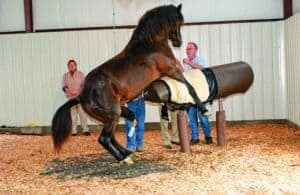
Researchers studied the use of Dip Quick stain for examining sperm morphology with positive results.

Several important factors must be considered before deciding whether to breed a mare on a foal heat.