Stacey Oke, DVM, MSc

Stacey Oke, MSc, DVM, is a practicing veterinarian and freelance medical writer and editor. She is interested in both large and small animals, as well as complementary and alternative medicine. Since 2005, she’s worked as a research consultant for nutritional supplement companies, assisted physicians and veterinarians in publishing research articles and textbooks, and written for a number of educational magazines and websites.

Articles by: Stacey Oke, DVM, MSc

‘Activity Monitors’ for Assessing Pain in Arthritic Horses Discussed

Activity monitors, which are small pedometerlike instruments, have been used in some scientific studies in horses, but they are still not widely used. Scientists have asked whether we’re missing the boat or overestimating the applicability of this technology. In a recent study published in the Journal of the American Medical Association, Dorothy Cimino Brown, DVM, MSCE, Dipl. A
Read More

High Doses of Vitamin E Benefit Older Horses

Very high doses of vitamin E appear to benefit older horses’ immune systems and could be an inexpensive means of battling “immunosenescence”–the decline in immune function because of the aging process.

Read More

Laminitis: Better Methods of Assessing Pain Needed

Can you or your veterinarian accurately assess lameness and/or pain in your laminitic horse? This is the question a research team led by Ignacio Vinuela-Fernandez, DVM, MSc, asked, knowing how important it is to manage the pain in horses that develop laminitis. “Laminitis is a common and potentially devastating condition that is a major welfare concern when ineffectively managed,” explained

Read More

Insulin Resistance

Equine Insulin Resistance is a reduction in sensitivity to insulin that decreases the ability of glucose to be transported into the body’s cells from the bloodstream.

Read More

Potential Biomarker for Equine Cushing’s Identified

Lead a veterinarian to a horse with equine Cushing’s disease and he or she will likely try to diagnose the horse by measuring blood levels of adrenocorticotrophic hormone (ACTH) in a single sample at a single point in time. Lead researchers from Pegasus Equine Diagnostics Ltd., in Nottingham, United Kingdom to the same horse and they’ll measure ACTH levels over 24 hours at multiple t

Read More

Strangles Cases Force RCMP Horses to Play Musical Chairs

Music might be an outburst of the soul (Frederick Delius) but strangles is an outburst of a horse’s lymph nodes, and when you put the two together it amounts to many disappointed fans of the Royal Canadian Mounted Police’s (RCMP’s) famed Musical Ride. Equine strangles is a highly infectious disease of horses caused by the bacterium Streptococcus equi that causes a thick, greenish nasal discharge,

Read More

Study: Laser Glaucoma Treatment Helps, But Doesn’t Cure

A specially designed surgical laser can help control fluid pressures in the eyes of horses with glaucoma and help maintain vision, but it does not alleviate the need for the continued use of topical eye medications, according to David A. Wilkie, DVM, MS, Dipl. ACVO, and colleagues from the Colleges of Veterinary Medicine at Michigan State University and The Ohio State University (OSU).

Read More

Foaling

Foaling, also referred to as parturition, is the process of a mare giving birth to a foal. Foaling occurs approximately 338 to 345 days from the last breeding date; however, this time period can range from 320 to 365 days or more.

Read More

Study: Cream Effective for Horses With Aural Plaques, But Not Intended for All

A cream containing 5% imiquimod (an immune-boosting drug) effectively and completely treated aural plaques in horses, but side effects of the drug (e.g., inflammatory reaction) limit the cream’s usefulness, reported a group of researchers from Minnesota and California.

Aural plaques are usually white, crusty lesions covering a layer of shiny red skin found on the inside (concave surface) of a

Read More

Lyme Disease in Horses: Facts and Fallacies

Lyme disease is caused by a spiral-shaped bacterium called Borrelia burgdorferi that is spread to some mammals via the bite of specific hard-bodied ticks. Also known as borreliosis, it is widely considered the most important insect-borne bacterial infection in North America. But it is unknown whether ticks transmit the bacterium to horses and cause disease or because the two coexist.

Read More

No New Cases of Vesicular Stomatitis Reported

Three horses all on a single premise in Cochise County, Ariz., remain the only horses in the country currently diagnosed with vesicular stomatitis (VS) virus.

VS is a disease that causes blister-like lesions in the mouth and on the dental pad, tongue, lips, nostrils, hooves, prepuce, and teats of livestock in the southwestern United States.

“Arizona hasn’t had a case since 2005,” repor

Read More

Portable Blood Analyzers Aid Veterinary “House Calls”

Portable, hand-held blood analyzers that measure various blood values such as electrolytes and pH are a valuable tool and provide improved patient care, reports a Brazilian research team led by Juliana Peiró, DVM, PhD, from the Department of Clinics, Surgery, and Animal Reproduction, School of Veterinary Medicine, Unviersidade Estadual Paulista. “When diagnosed early,

Read More

More From The Horse

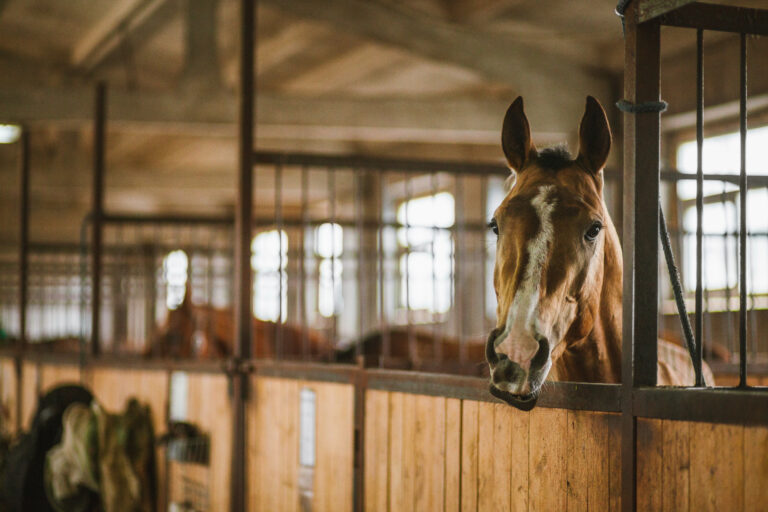
Beautiful horses, animals, pasture, stables, horseback riding
Horse with lots of fly in face
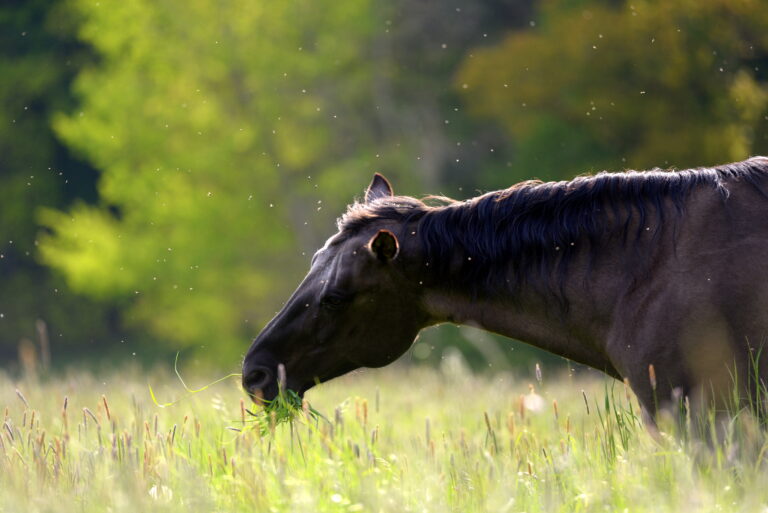
Mückenplage auf der Pferdeweide
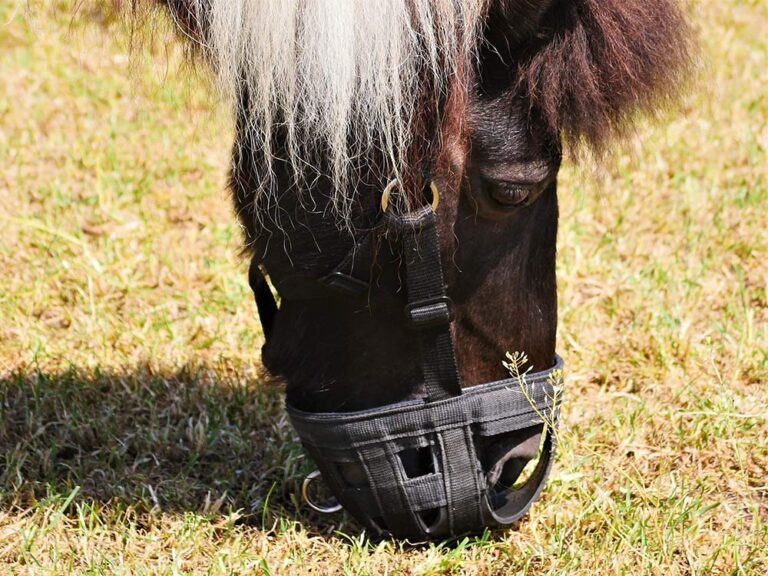
GrazingMuzzle-AdobeStock_543379775

Stay on top of the most recent Horse Health news with

FREE weekly newsletters from TheHorse.com

Sponsored Content

Weekly Poll

sponsored by:

Readers’ Most Popular

The Horse
Privacy Overview

This website uses cookies so that we can provide you with the best user experience possible. Cookie information is stored in your browser and performs functions such as recognising you when you return to our website and helping our team to understand which sections of the website you find most interesting and useful.