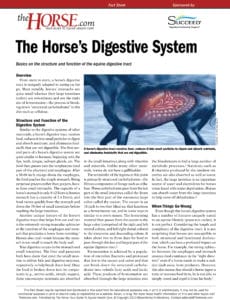
The Horse’s Digestive System
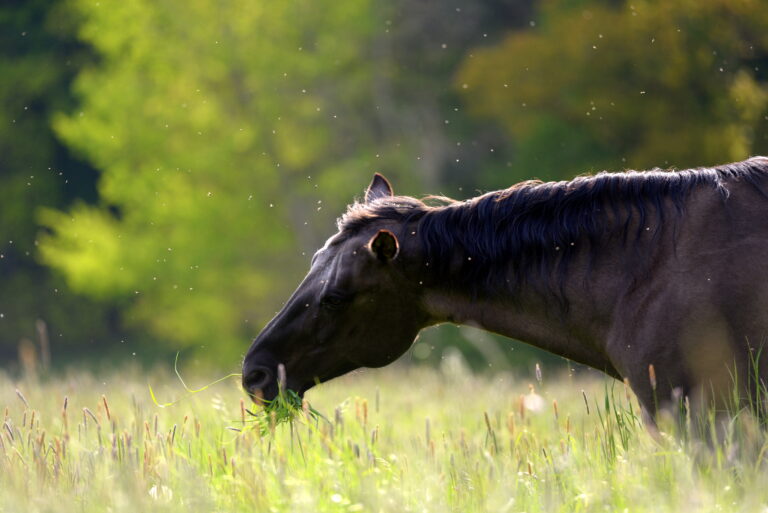
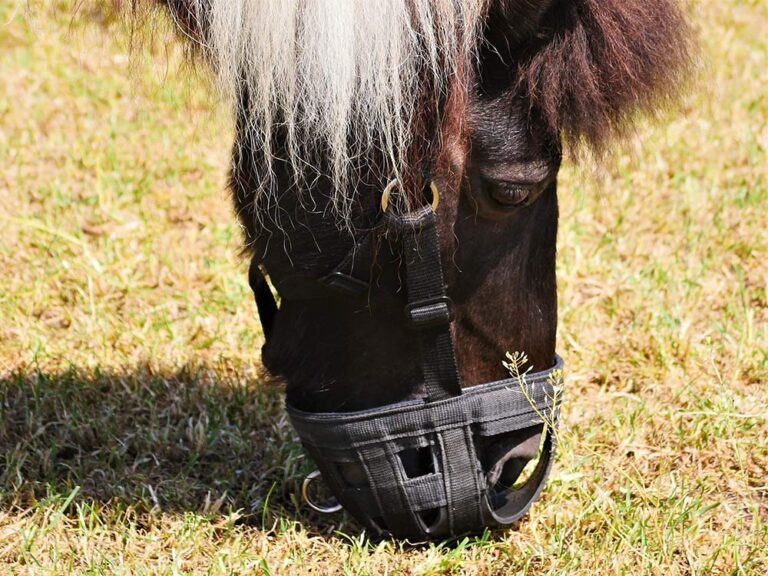
The horse’s digestive system is large, complex, and functions like a factory, yet it is exceedingly delicate. Digestive tract dysfunction in the horse is an important concern for owners and veterinarians.


The horse’s digestive system is large, complex, and functions like a factory, yet it is exceedingly delicate. Digestive tract dysfunction in the horse is an important concern for owners and veterinarians.

Vaccinating horses is generally considered to be the most cost-effective method of preventing infectious diseases; however, vaccines do have limitations.

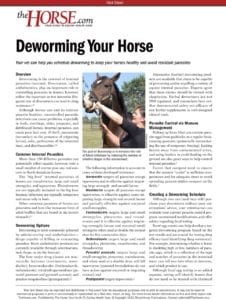
Deworming is an essential part of managing your horse’s overall health. This free fact sheet is a general guide to deworming your horse, including common parasites, dewormer options, parasite control via manure management, proper scheduling and more.

In veterinary medicine, particularly equine practice, the recognition, classification, management, and overall importance of pain and pain management have only recently been described.

Understand the structure and function of the equine upper respiratory system to understand horses’ breathing.
A joint is defined as an anatomic union or junction between two or more bones. There are three basic types of joints in the horse: Synovial, fibrous, and cartilaginous.

Equine joint supplements have been purported to decrease inflammation, increase mobility, and more. This guide to equine joint supplements includes a seven-step quality evaluation process and tips for choosing a safe and effective product.

Supplements, or nutraceuticals, are thought to have some beneficial effects for horses, but more studies are necessary.

Just because a horse is older does not mean he needs a special diet. However, many older horses with special physical or nutritional needs (geriatric horses) require specific diets and feed modifications to maintain good health and body condition.

The term “easy keepers” refers to horses and ponies that maintain or gain weight on a minimum amount of food.

Oral supplements might be indicated for horses with dry, cracked, or brittle hooves.

Vitamins and minerals are two of the six essential nutrients required by horses (the other four are water, carbohydrates, protein, and fat).

Equine arthritis refers to an inflammation of the joint. There are different kinds of arthritis, such as septic arthritis and rheumatoid arthritis. However, the most important arthritis affecting horses is osteoarthritis.

Equine joint injections can help veterinarians diagnose lameness or medicate a horse’s painful joint.

Equine lameness, defined as a deviation from a normal gait, is an indicator of a structural or functional disorder of the musculoskeletal system (the limbs or spinal column) that is noted while the horse is either moving or stationary.

Efficiently managing manure is an important aspect of caring for horses. Composting is an economical and efficient method for managing manure for virtually any equine operation, regardless of size.
Stay on top of the most recent Horse Health news with