Stephanie L. Church, Editorial Director

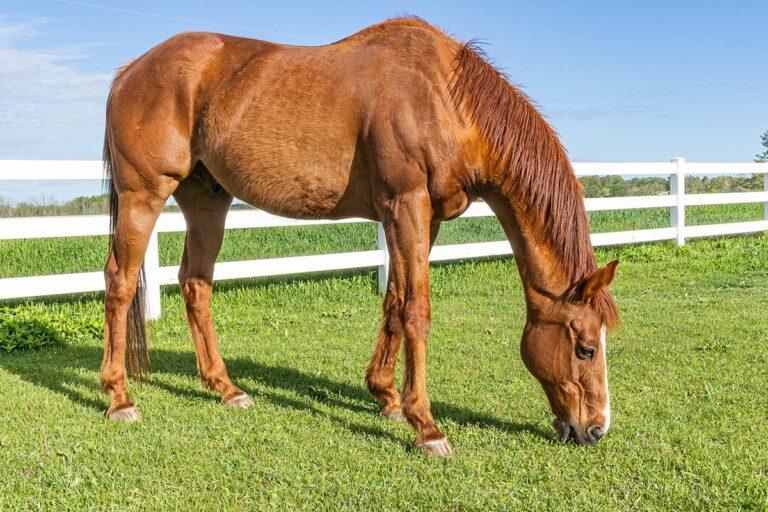
Stephanie L. Church, editorial director for The Horse and Stable Management, grew up riding and caring for her family’s horses in Central Virginia and received a B.A. in journalism and equestrian studies from Averett University. She joined The Horse in 1999 and has led the editorial team since 2010. A 4-H and Pony Club graduate, she enjoys dressage, eventing, and trail riding. Her heart horse, It Happened Again (“Happy,” pictured), a former graded-stakes-winning Thoroughbred gelding, was her longtime mount and remains a lasting inspiration. She now has an 8-year-old off-track Thoroughbred, Dune of Pilat (“Dune”), and is enjoying building a partnership with him. Stephanie is based in Lexington, Kentucky.

Articles by: Stephanie L. Church, Editorial Director

Missouri Stable Leveled Second Time by Tornado

Nearly three years after a tornado destroyed the barn at Stokely Farms near Battlefield, Mo., another tornado decimated the farm’s replacement barn on Sunday night (March 12). One horse was killed during the storm, and several were injured.

Read More

New Orleans Carriage Company Rebuilds

The horses and mules rescued last September from the flooded stables of Charbonnet Mid-City Carriages helped usher in Valentine’s Day in Baton Rouge and Mardi Gras in New Orleans to the delight of many residents in Katrina- and Rita-stricken

Read More

$2.5 Million Research Initiative Draws 27 Pre-Proposals

The announcement of a $2.5-million equine health consortium initiative has been met with great enthusiasm, says Kristin Benjamin, vice president of scientific programs and advancement for Morris Animal Foundation (MAF) in Englewood, Colo.

Read More

Louisiana Termite/Mulch Rumors Untrue

(edited press release)


An e-mail warning the public about Formosan termite-infested mulch from southern Louisiana has been circulating online this week. Louisiana Department of Agriculture & Forestry (LDAF) officials are

Read More

Maryland Veterinarians Must Report Neurologic Cases

The Maryland Department of Agriculture (MDA) has added equine neurologic syndrome to its list of infectious livestock or poultry diseases that must be reported to MDA officials. Under Maryland law (Agriculture Article, Section 3-105 Annotated

Read More

Maryland EHV-1 Outbreaks Winding Down

Veterinarians suspect the recent deadly outbreaks of equine herpesvirus-1 (EHV-1) in Maryland have subsided. The Maryland Department of Agriculture (MDA) reported EHV-1 outbreaks at two Maryland tracks, a race training facility, and a private

Read More

New Sling Shows Promise in Clinical Setting

Practitioners need to quickly assess an acutely recumbent (unable to stand) horse’s prognosis, and that can be difficult. Putting a horse in the Andersen Sling Support Device (ASSD), the gold standard for equine slings, requires at least six

Read More

Q&A Neurologic Equine Herpesvirus

The University of Kentucky’s Gluck Equine Research Center has the only Office International des Epizooties (OIE, or World Organization for Animal Health) reference laboratory for equine herpesvirus in the Western hemisphere. Samples from most of the outbreaks are sent there so George Allen, PhD, professor in the department of veterinary science and head of the OIE laboratory, can type these

Read More

Musculoskeletal Disease Biomarkers

Colorado State University (CSU) researchers have found significant patterns of six different signals of damage or “biomarkers” in the serum of racehorses with certain musculoskeletal diseases.


Biomarkers are indicators of abnormal

Read More

Three Years of Racing Deaths in Australia

An Australian survey found that euthanasia for catastrophic forelimb injury was the most common Thoroughbred racehorse fatality. Also, sudden death (not as the result of euthanasia) contributed more to racing fatalities than previously thought.

Read More

Forelimb Conformation of the Growing Thoroughbred

University of Wisconsin researchers found certain forelimb characteristics in growing Thoroughbreds are associated with higher birth weights, and their carpal (knee) conformation is associated with the parents’. Both genetics and environment

Read More

Herpesvirus in Five States

T he neurologic form of equine herpesvirus type 1 (EHV-1) has been diagnosed in at least five different states in January and February (The Horse learned of a fifth state with herpes after the cover went to press). While many of the

Read More

Horse Owners’ Needs Still Urgent After Hurricanes

Salty water drowned pastures in Louisiana and Mississippi months ago, but the needs of horses in areas left incapacitated by Hurricanes Katrina and Rita remain critical, say area veterinarians and residents. Most Gulf Coast horse owners need

Read More

Using GPS to Train Racehorses

An Australian researcher says he’s found a reliable way for trainers to monitor Thoroughbred racehorse fitness using global positioning system (GPS) technology measurements of velocity and heart rate during fast gallop training routines. He

Read More

More From The Horse

electrolytes for horses; Why Do Electrolytes Encourage Horses to Drink?
spring pasture, turnout tips, horse turn out, horse in pasture, grazing, spring, spring turnout
Horses in their stable
What's New With Weaning?

Stay on top of the most recent Horse Health news with

FREE weekly newsletters from TheHorse.com

Sponsored Content

Weekly Poll

sponsored by:

How often do you apply fly spray to your horse during peak fly season?
173 votes · 173 answers

Readers’ Most Popular

The Horse
Privacy Overview

This website uses cookies so that we can provide you with the best user experience possible. Cookie information is stored in your browser and performs functions such as recognising you when you return to our website and helping our team to understand which sections of the website you find most interesting and useful.