Anatomy and Physiology
This first article of a 12-part series on equine anatomy and physiology discusses basic terminology, the horse’s largest organ (his skin), and how horses and humans are alike (and different).


This first article of a 12-part series on equine anatomy and physiology discusses basic terminology, the horse’s largest organ (his skin), and how horses and humans are alike (and different).

There are 205 bones in the horse’s skeleton, and the spot where one or more bones join is the joint. This installment of the anatomy and physiology series focuses on these critical areas of movement.

The foreleg of the horse is, for the most part, a model of good engineering. Most of a horse’s weight is carried on its forelimbs. Good conformation will help ensure long-term soundness.
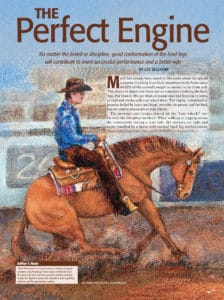
No matter the breed or discipline, good conformation of the hind legs will contribute to more successful performance and a better ride. We want a horse to have excellent rear leg conformation so that it can tolerate the demands placed on it.
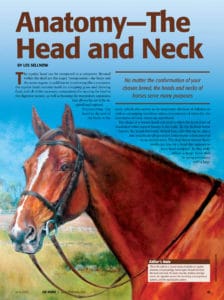
Anatomy and physiology of the horse’s head and neck, and related structures such as the eyes, ears, mouth/teeth, and upper respiratory tract.
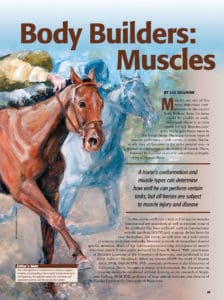
A horse’s conformation and muscle types can determine how well he can perform certain tasks, but all horses are subject to muscle injury and disease. In this article, we’ll take a look at how equine muscles function and are nourished.

Understanding the equine digestive system can make your horse healthier and give you fewer worries about gastric upset. In this article, we’ll take a look at just how this “factory” is designed and how it functions.
The much maligned mule is getting a day of celebration but will have to share the spotlight with a breed of even sorrier reputation–the politicians.
The Mule Day parade set for Saturday is the highlight of a six-day celebration honoring th
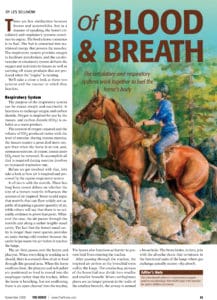
The horse’s circulatory and respiratory systems constitute its engine. Here, we’ll take a close a look at these two systems and the manner in which they function.
New Zealand biosecurity officials are retesting samples taken from horses imported directly from the United States to the Karaka quarantine facility due to conflicting test results that indicate the presence of equine influenza, the
Spinal cord compression in the neck, more technically known as cervical vertebral stenotic myelopathy or CVSM, can cause notable incoordination and affects about 2% of racing Thoroughbreds. Probably the most well-known horse affected by CVSM was
In this article on reproductive anatomy, we’ll take a look at the reproductive organs of both the mare and the stallion and discuss just how they function in their effort to produce another “miracle.”
More than 1,400 readers of TheHorse.com responded to a poll asking, “What do you think is the most pressing issue facing the welfare and safety of racehorses?”