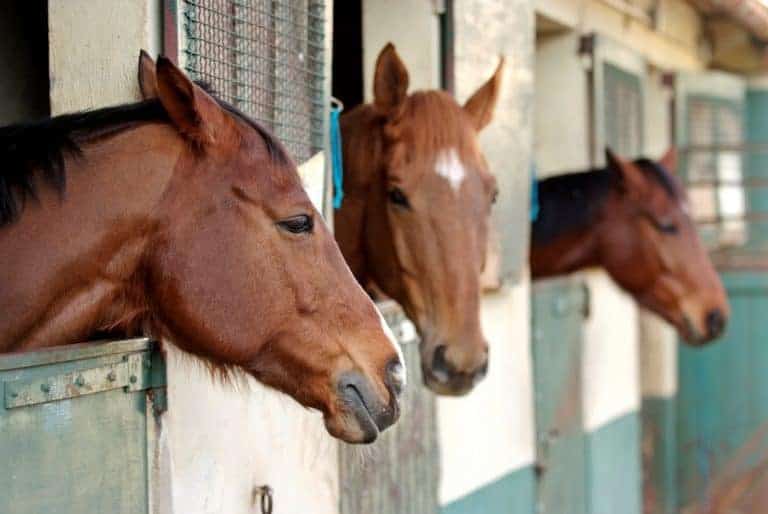
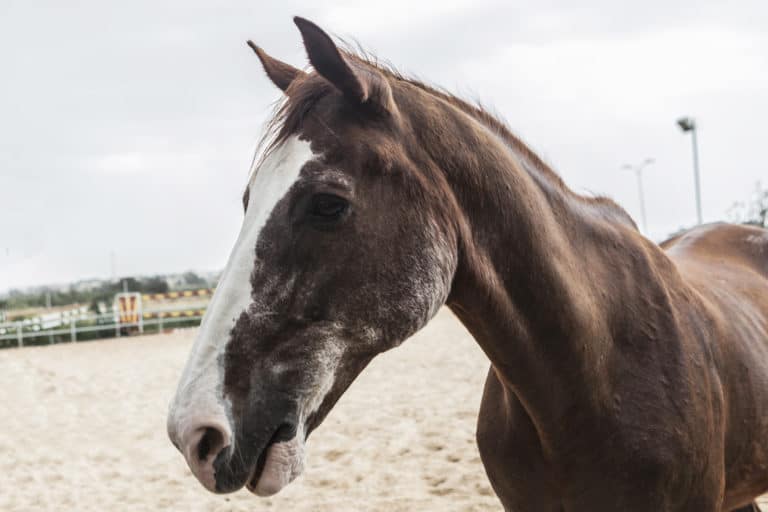
EMS Horse Hoof Care: Is Barefoot or Shod Best?
Vet and farrier Dr. Vernon Dryden offers insight into foot care for horses suffering from EMS-related laminitis.


Vet and farrier Dr. Vernon Dryden offers insight into foot care for horses suffering from EMS-related laminitis.

This could encourage the use of targeted deworming programs to help reduce parasite resistance, scientists said.

Sarah Elzinga, MS, is studying inflammation and insulin dysregulation in the horse.

Dusty arenas could be compromising your respiratory health, right along with your horse’s.

Certain breeds seem more susceptible to EMS. Dr. Amanda Adams shares information about possible genetic links.
Find out how to treat and prevent this common equine hoof problem in our special guide!

One veterinarian describes how to use endometrial culture, cytology, and biopsy to evaluate subbertile mares.
Our staff and sources share some of their top tips for pasturing and turning out horses.
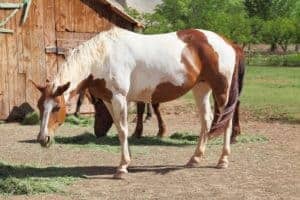
Of the 1,244 respondents, 504 (41%) said they feed their horses alfalfa hay.
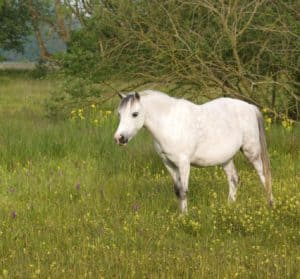
University of Kentucky researcher Amanda Adams, PhD, gives an overview of EMS and how it affects horses.

Veterinary officials encouraged owners to vaccinate against rabies, Eastern equine encephalitis, and West Nile virus.
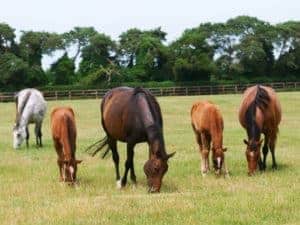
Overweight mares often produce heavier foals, which studies have shown are at-risk for musculoskeletal disorders.

Have you increased your horse’s workload this spring? Find out how to safely increase his energy intake to match.
The forum focused on advancing equine identification methods, traceability, and electronic health records.
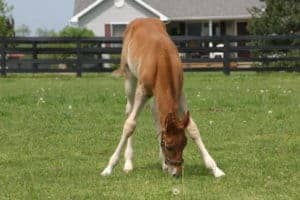
Researchers discuss equine rotavirus infection in foals, bacterial upper airway infections, and more.
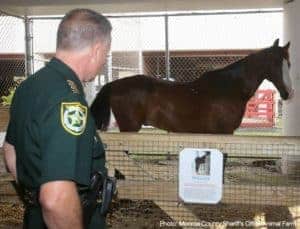
Last year Trigger was ridden nearly 700 miles from Greenwood, South Carolina, to Miami-Dade, Florida.