SPONSORED CONTENT
- Topics: Media, Neurologic Disease, Other Supplements, Sponsored, Video, Webcasts
Share:
This presentation will focus on the role of vitamin E in maintaining neuromuscular health in horses, including how to assess vitamin E concentrations, which diseases are associated with low vitamin E levels, and how to appropriately supplement deficient horses.
About the Expert:
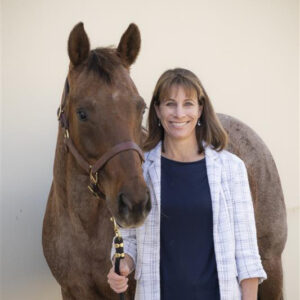
Carrie Finno, DVM, PhD, Dipl. ACVIM
Carrie Finno, DVM, PhD, Dipl. ACVIM, is a veterinary clinician scientist at the University of California, Davis, with a PhD in comparative pathology and post-doctorate training in comparative genomics. Finno has published over 120 papers. In the field of veterinary medicine, she has defined the clinical phenotypes and identified the associated genetic mutations for five newly described diseases in horses. The focus of her translational research is the interplay of vitamin E and neurodegeneration using animal models.

Written by:
The Horse Staff
Related Articles
Stay on top of the most recent Horse Health news with