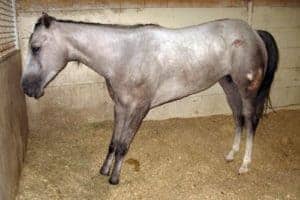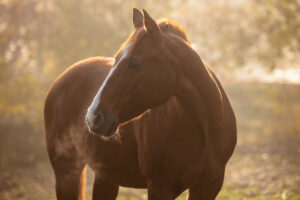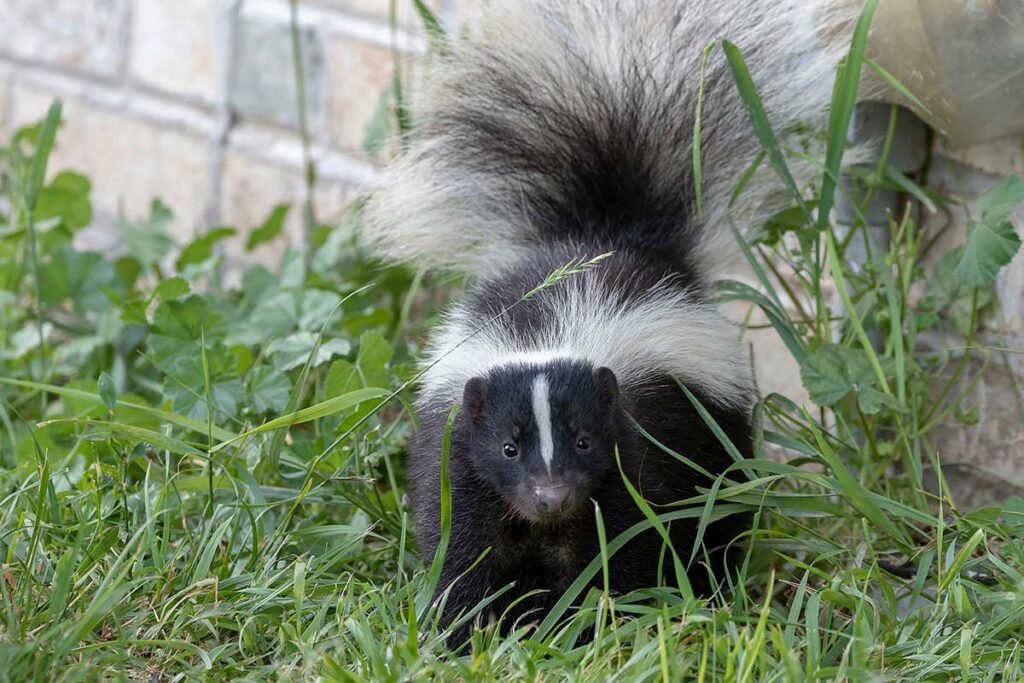
The Kentucky Department for Public Health (KDPH) was notified on July 28, 2025, of a confirmed rabies case in a 21-year-old American Quarter Horse gelding. The horse had a clinical history that included one month of weight loss and one week of anorexia. On July 24, the horse was evaluated at a veterinary clinic for agitation and photosensitivity and returned the following day exhibiting aggression and a high fever. The horse, which had not been vaccinated against rabies, was euthanized on July 25. Postmortem specimens were sent to the University of Kentucky Veterinary Diagnostic Laboratory where diagnostic testing confirmed rabies, and the CDC later identified the virus as the skunk variant rabies.
This case underscores the ongoing risk of rabies in Kentucky, where 24 equine cases have been identified since 1989. While the owner did not report observing wildlife on the property, recent trends show an uptick in skunk variant rabies in the south-central region of the state, highlighting the often-unseen risk posed by wildlife reservoirs. In Kentucky, both skunk and bat variants circulate, and horses may be exposed through direct contact with bites or scratches from infected animals.
The Kentucky Department for Public Health worked with local environmental health officials to quickly identify and contact individuals who may have been exposed to the infected horse. Post-exposure treatment is effective but is time-sensitive and costly. Thirteen people were assessed, including 12 veterinary staff and one community member. Of these, nine were determined to have high-risk exposures and were advised to receive rabies post exposure prophylaxis (PEP). Rabies PEP for humans typically includes immediate wound cleansing (if a wound is present), administration of human rabies immune globulin (if not previously vaccinated) and a series of rabies vaccinations on Days 0, 3, 7 and 14.
Animal health measures were also enacted. Two unvaccinated equine pasture mates were identified as exposed and placed under a 180-day strict quarantine by the Kentucky Department of Agriculture.
No additional domestic or livestock exposures were identified. In this case, the Kansas State three dose PEP animal protocol was implemented, with vaccines administered on Days 0, 7 and 21–28 for the two exposed horses.
This case highlights the critical importance of rabies vaccination in horses. Rabies is a universally fatal and completely preventable disease. Rabies is a core vaccine recommended annually for all equids by the American Association of Equine Practitioners. Infected unvaccinated animals not only face a horrific death but also pose a significant risk to human health. Vaccinating all of our domestic animals against rabies protects our families in addition to protecting our animals.
While preventing this disease by vaccination is paramount, quarantine considerations, particularly for the performance horse, can also be significant. If a rabid skunk were found in a horse paddock, unvaccinated horses in that paddock would be subject to 180 days of quarantine, as compared to 45 days for vaccinated horses.
This is an excerpt from Equine Disease Quarterly, Vol. 35, Issue 3, funded by Equus/Standardbred Station Inc. and M&J Insurance. It was written by Allison Siu, DVM, MPH, CDC career epidemiology field officer at the Kentucky Department for Public Health, in Frankfort, and Kelly Giesbrecht, DVM, MPH, Dipl. AVOHS, Kentucky state public health veterinarian also with the Kentucky Department for Public Health.