

EIA in British Columbia: Two Cases Confirmed
Two horses residing on one premises in Cariboo Sub. B., British Columbia, Canada, tested positive for EIA. A veterinarian tested the horses as their owner suspected they’d been exposed to EIA, but neither horse was showing signs of disease at sampling.

WNV in South Carolina Horses: Case Confirmed in Spartanburg County
The unvaccinated 17-month-old grade filly was euthanized.

How Compression Bandages Could Help Horse Nerve Blocks
When veterinarians applied a compression bandage to the horse’s pastern before administering a palmar digital nerve block, the drugs remained localized to the hoof rather than spreading further up into the leg.

Caring for Old Horses
With proper care, senior horses can prosper. Here are a few points to consider.

More Than 5,100 Attend 2018 AAEP Convention
The meeting offered 127.5 hours of continuing education for veterinarians across all aspects of equine medicine, including dentistry, complementary medicine, reproduction, and more.

EHM in Pennsylvania Horses: Snyder County Facility Quarantined
Two horses have been euthanized, and the eight horses remaining on the premises are being monitored for clinical signs of EHV-1 infection.
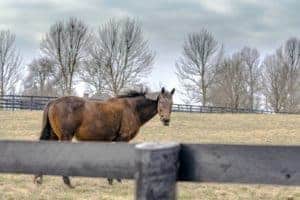
Determining Equine Fetal Sex in Midgestation
Researchers have confirmed that, by following a few recently described steps, veterinarians can sex fetuses over a much longer time period than previously though and without clipping or sedating mares.
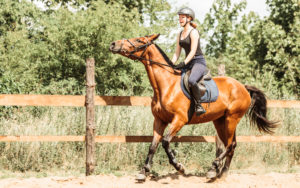
Is Feed Making My Horse ‘Hot’?
While diet can indeed contribute to a horse being energetic, it’s not the only cause. Our nutritionist shares her thoughts.

FDA Working to Maintain Horse Dewormer Effectiveness
This move comes as a result of the FDA’s work with veterinary parasitology experts and the animal health community to find ways to maintain these drugs’ effectiveness in the face of antiparasitic resistance.

Horse Body Condition, Fat, Activity Level, and Inflammatory Biomarkers: What’s the Link?
Researchers know horse body weight, BCS, and body fat percentage appear to be correlated with blood concentrations of PGE2—a joint damage marker.

Feeding Fats to Horses: Not Just a Diet Fad
Fats serve many important functions for horses, from increasing calorie consumption to reducing gastric ulcer severity.

2018 British Equine Veterinary Congress Coverage
Read the latest in equine health research, news, and information presented at the 2018 British Equine Veterinary Congress in Birmingham, England.

Unintentional Equine Neglect and Abuse: A Concern in Kentucky
A recent Kentucky Equine Networking Meeting focused on the legal process surrounding equine neglect and abuse cases.
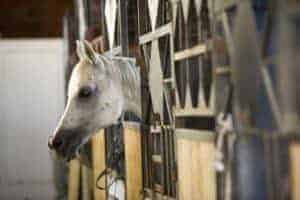
What to Do if a Horse Tests Positive for Salmonella
The bacterium Salmonella enterica can spread quickly between horses on a farm or in a hospital setting, causing significant financial and even equine losses. Here’s how one veterinarian recommends managing positive cases.
Horses Surrendered From Virginia Rescue Farm
More than 40 horses are receiving rehabilitative care after being surrendered by the operators of Eagle Hill Equine Rescue, located near Fredericksburg, Virginia.

How to Measure Back Pain in Horses
When a horse shows signs of poor performance, rearing or bucking under saddle, and sensitivity when grooming, an owner might conclude that he has a sore back. But when is an issue truly back pain, and when is it secondary to another orthopedic issue? One veterinarian weighs in.


