Time to Ride Names Take a Friend Riding Sweepstakes Winner
Caitlin W., of Parker, Colorado, was selected to receive a three-night stay at a luxury dude ranch in Montana.

Caitlin W., of Parker, Colorado, was selected to receive a three-night stay at a luxury dude ranch in Montana.

Wyoming had been seeking the removal of wild horses from the state’s Checkerboard area.
Dr. Kathryn Wulster is a radiologist and assistant professor of diagnostic imaging at Penn Vet.

Microchips could offer benefits beyond identification for your horse.
The impoundment is part of an ongoing investigation into allegations of horse maltreatment at the South Dakota facility.
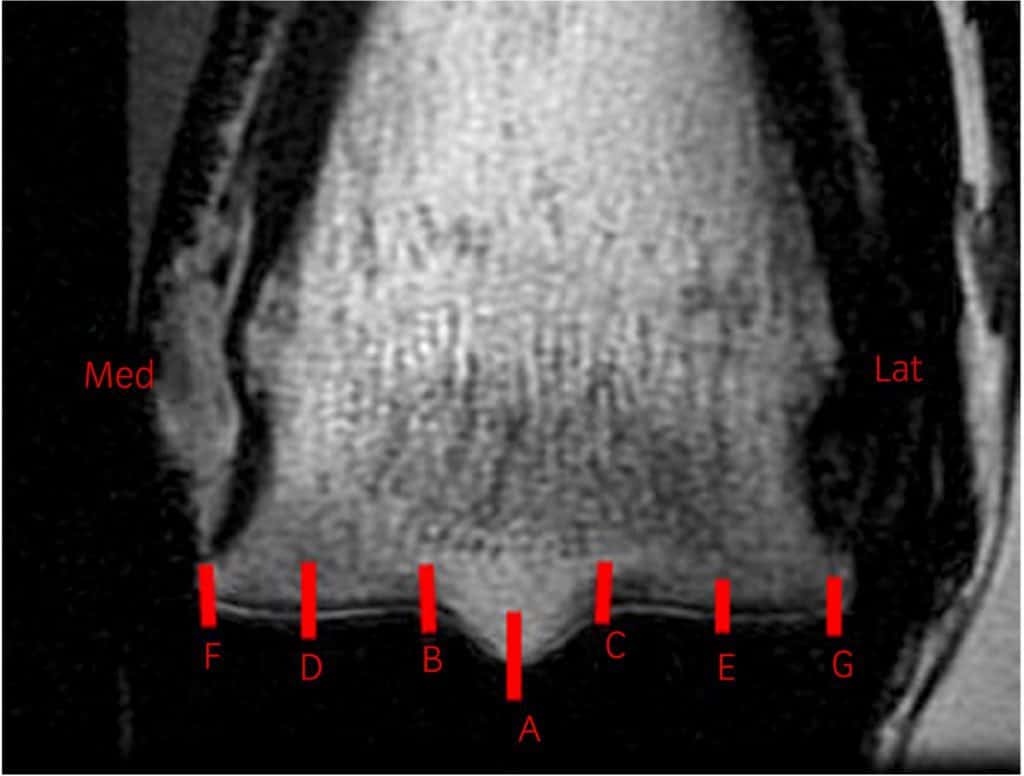
Drs. Tim Parkin and Sarah Plevin describe studies focused on predicting injury before it occurs.

Bone turnover in horses rested after intense training was better than in those in consistent intense work.
Proceeds from a golf tournament and the annual Foundation Celebration will support the AAEP Foundation.

A French genetics team determined a common breeding pool is not only realistic but also preferable.

Of the 545 respondents, 175 (32%) said they will add gravel and/or sand for high-traffic areas on their farm this fall.

The unvaccinated Quarter Horse yearling did not survive.
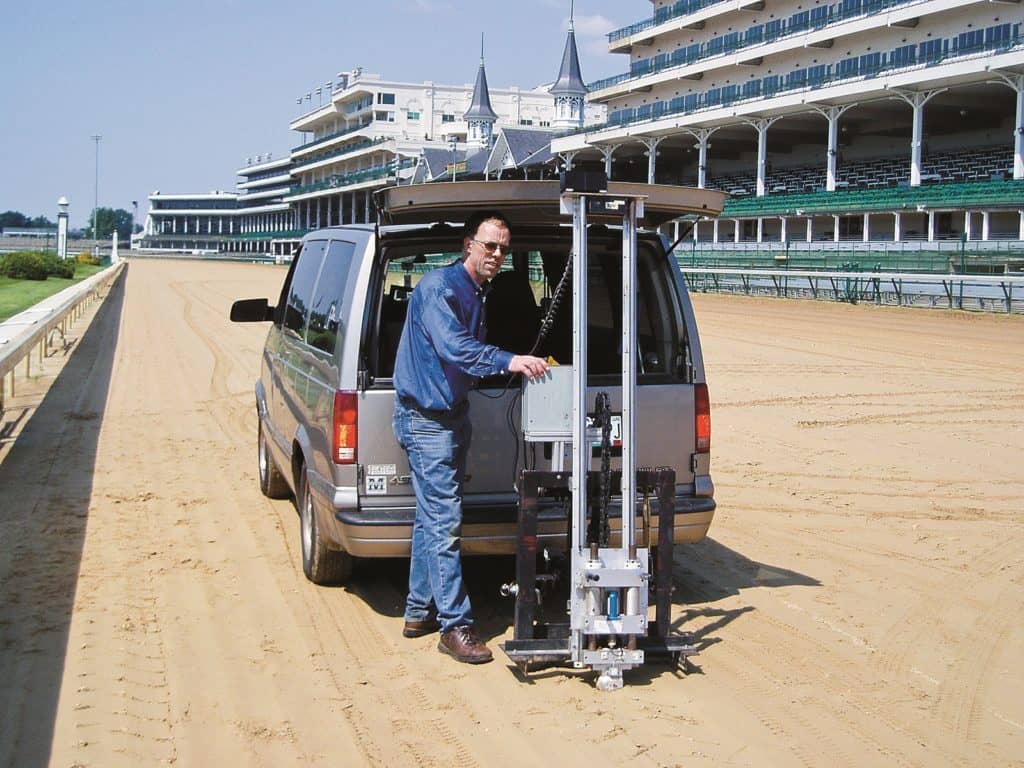
Mick Peterson, MS, PhD, an authority on racing and equestrian surfaces, will begin his new role in January 2017.

Farriers should practice smart biosecurity to prevent potential equine disease spread among properties.

Many elements must remain within a normal range for a horse’s mouth to stay healthy.

California and Minnesota have confirmed 20 and 19 equine WNV cases, respectively, so far this year.