Whitfield Ethics Probe to Continue
The Office of Congressional Ethics will continue investigating if Rep. Ed Whitfield’s wife unfairly influenced the congressman about Tennessee Walking Horse-focused legislation.

The Office of Congressional Ethics will continue investigating if Rep. Ed Whitfield’s wife unfairly influenced the congressman about Tennessee Walking Horse-focused legislation.
The agenda for the meeting includes a board of director’s election, 2014 review, upcoming events, Kentucky Horse Council input from members, and an equine industry update.

Often called the “athlete’s heart,” an enlarged heart in a horse is frequently accompanied by murmurs and arrhythmias.
The survey is part of a study into links between management practices and musculoskeletal health, injury, and performance.
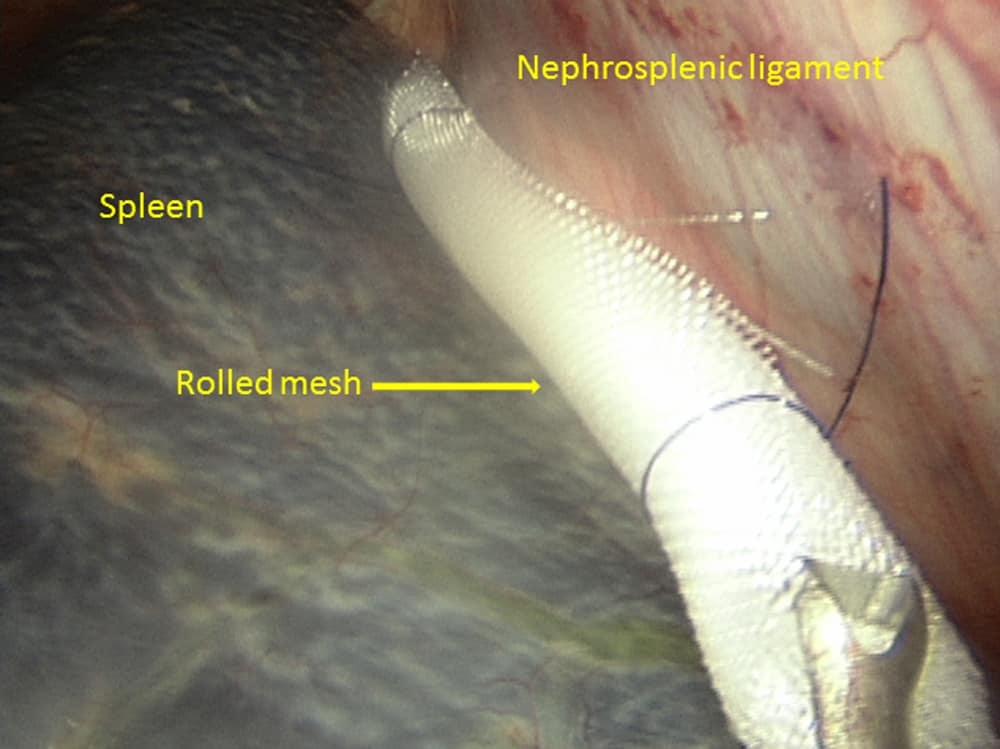
New research shows that a minimally invasive surgical technique developed at the University of Pennsylvania College of Veterinary Medicine’s New Bolton Center can help prevent the recurrence of colic caused by entrapment of the large colon.
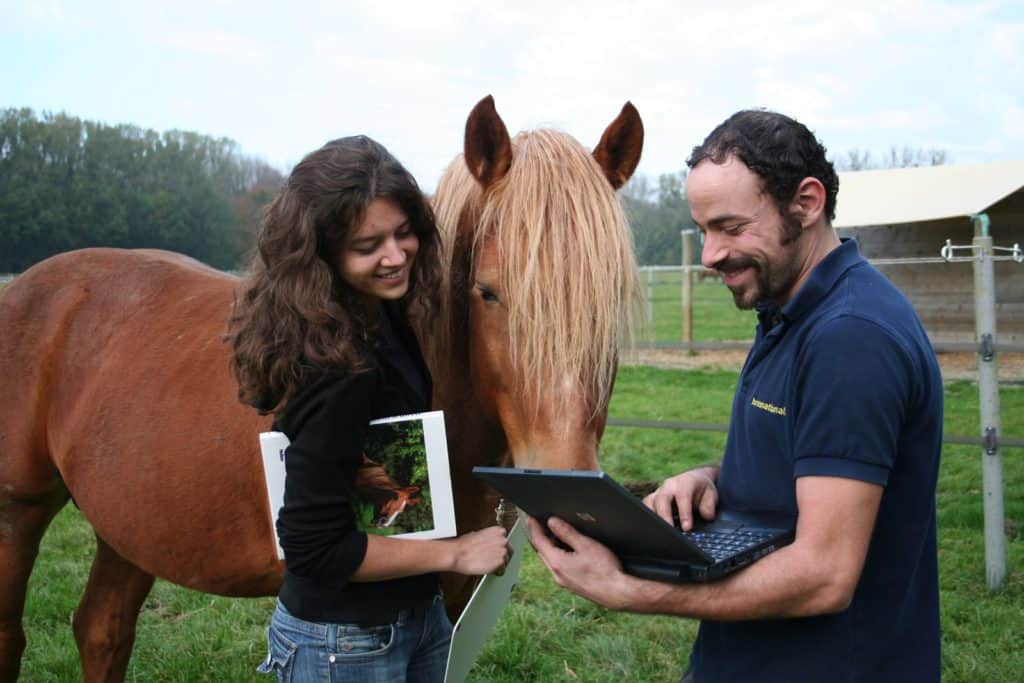
Of the 738 respondents, 440 (60%) said they prefer to sell horses using online or print classifieds and flyers.

Researchers say study results suggests vets could potentially use hops extract to mediate health conditions associated with carbohydrate overload.
The Jan. 7, 2015, short course will offer lectures in the morning and hands-on experience in the afternoon.

Prepare for drought long before pastures wither and hay supplies dwindle.

Learn about DNA profiling, a practice designed to predict a horse’s athletic potential by evaluating that individual’s genetic markers.

Cortisol levels were higher during a competition than at home, and they continued rising throughout the event.
The Time to Ride Event Grant Program offers stables, businesses, and organizations an additional incentive to connect new people to horses.
The British Equine Veterinary Association (BEVA) has issued a statement clarifying the regulations on equine dental procedures in that country.
The city of Blue Ash, Ohio, has asked an appeals court to uphold a lower court’s decision relative to a child’s use of a Miniature Horse as a service animal.
In 2014 TCA granted more than $512,000 to about 75 charities working to aid in Thoroughbred rescue, retirement and adoption, backstretch and farm worker services, research, and therapeutic riding.
Drs. Bill Rood and Tom Riddle will receive the award, which is given annually to persons who have created and led successful equine business enterprises.