Vesicular Stomatitis Confirmed in Boulder Co., Colorado
A Boulder County premises is under quarantine after equine vesicular stomatitis (VS) was confirmed there, and a number of other premises in the surrounding area are being investigated.

A Boulder County premises is under quarantine after equine vesicular stomatitis (VS) was confirmed there, and a number of other premises in the surrounding area are being investigated.
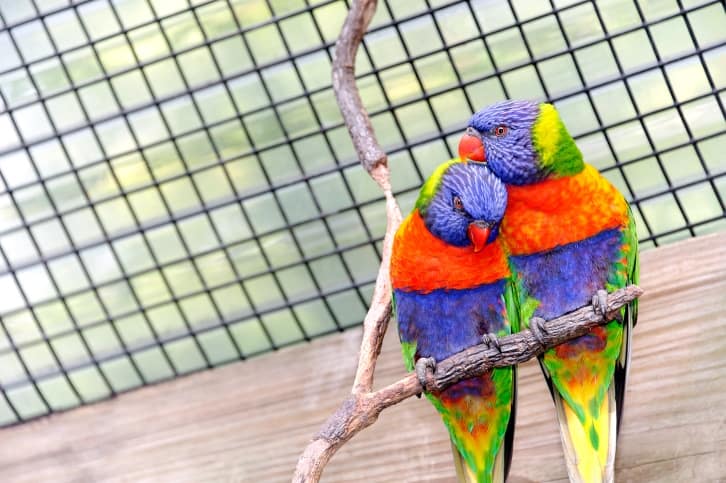
Exotic pets might carry foreign vector-borne disease agents that can be deadly to horses, particularly in several recently identified “hot spots” of entry into the European Union, French researchers say.

Dr. Julia Wilson received an award recognizing her veterinary team’s volunteer work to improve the health of working horses in Honduras.
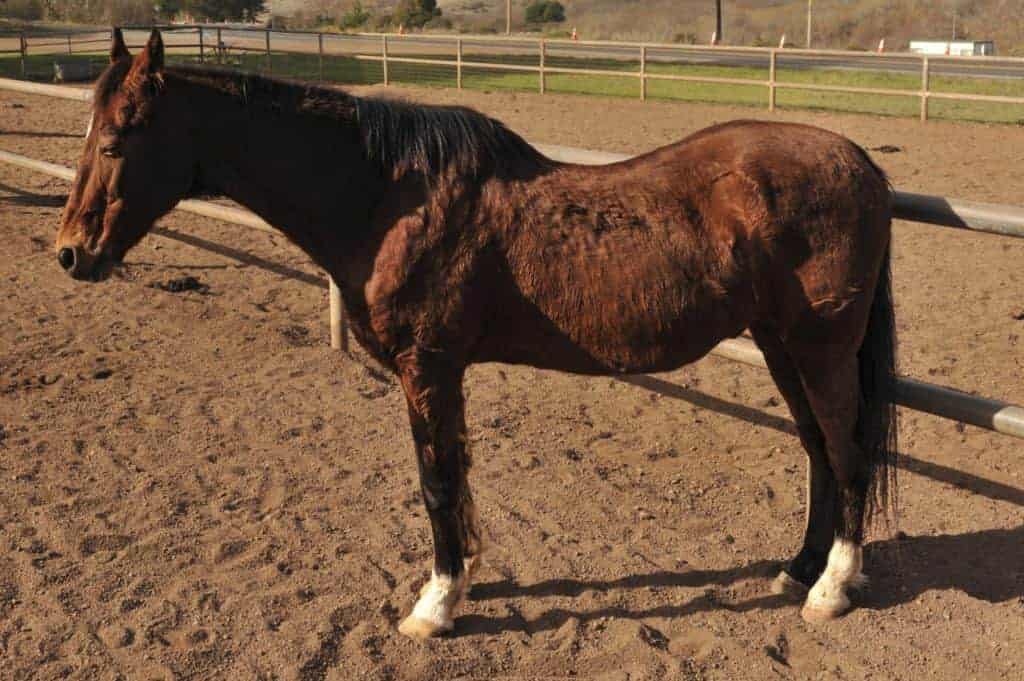
How can your senior horse’s appearance indicate he’s in need of a diet change? Learn what to watch for.
Specialists will teach participants how to maximize the use and productivity of their pastures while improving horse and environmental health.

Conception rates were 47% higher in mares consuming forage continuously over 23 hours compared to those consuming the same amount of forage over 17 hours a day.
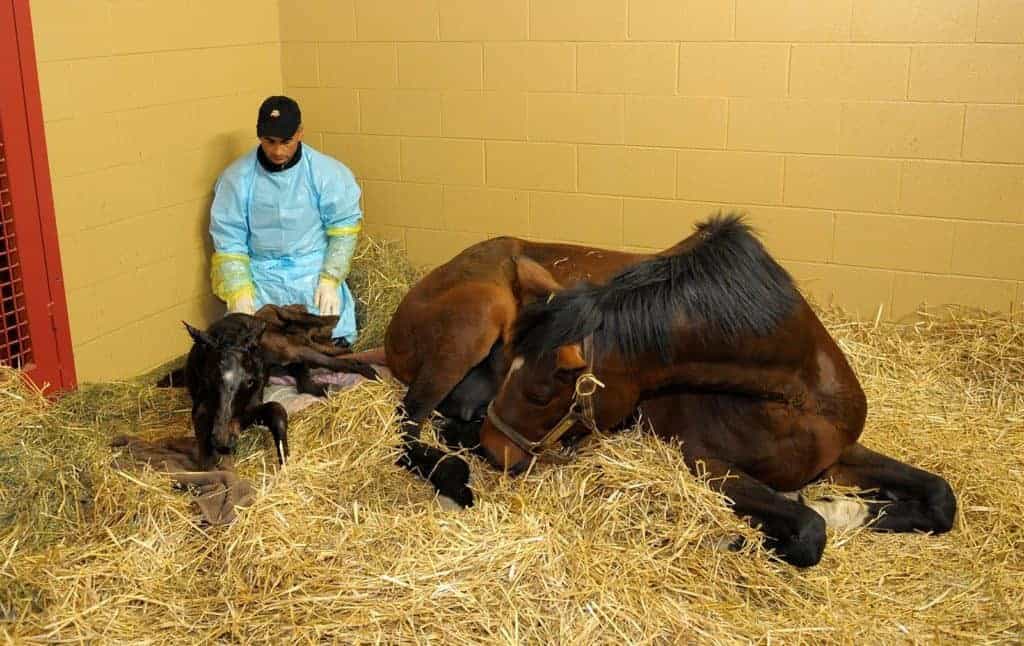
Monitoring progesterone levels, which fall at the end of gestation, in association with the classical criteria for estimating foaling time, provides a practical way to predict the night of foaling and accurately time labor induction.
Five horses that ran in recent race meetings and under the care of various trainers have tested positive for morphine in their ‘A’ samples.
Tennessee law enforcement authorities are hoping the public can help identify whoever cut a horse’s leg while it grazed in its Washington County pasture.
Colorado became the second state in the country to confirm vesicular stomatitis when four horses on two Weld County premises tested positive for the disease.
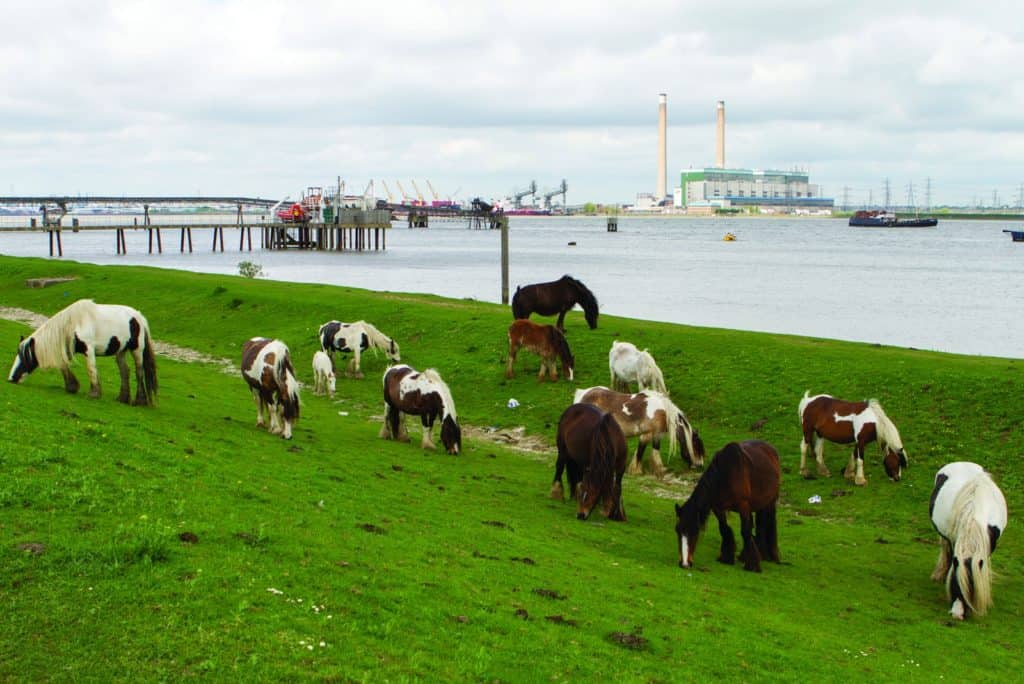
Fly grazing is the practice of leaving a horse to graze on a piece of private or public land without the permission of the owner or local authorities.
My horse has a rude habit of flashing my friends when they we visit him. How can I stop this behavior?
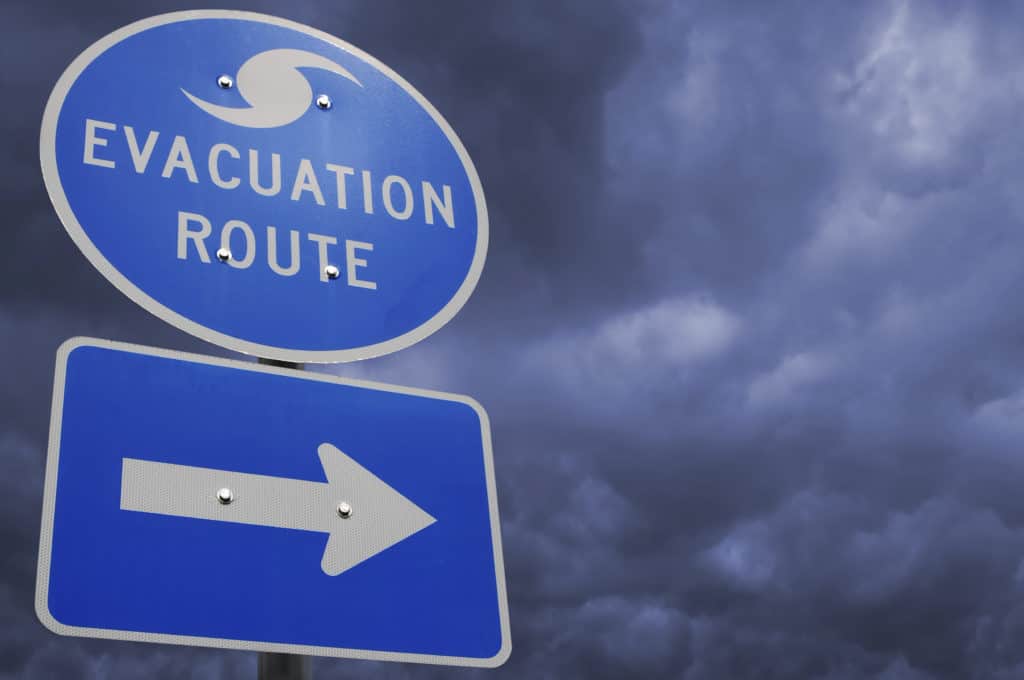
By planning for the worst, you lessen the chances of losing your horse in a disaster. Here’s what to remember.
Reported diseases include strangles, equine herpesvirus, influenza, equine infectious anemia, and more.
The TVMDL is responsible for providing drug-testing services to the pari-mutuel horse and greyhound racing industries.
The program for the 10th International Equitation Science (ISES) Conference, taking place Aug. 7-9 near Vejle, Denmark, includes presentations encompassing many aspects of equestrianism, from horse husbandry and care to high-level performance.