Strangles Confirmed in Washington Horse
The horse resides in Pierce County, where 4 additional cases are suspected.

The horse resides in Pierce County, where 4 additional cases are suspected.

The sick horse lives in Gem County, where 6 additional cases are suspected and 25 horses are exposed.

Two additional horses at a barn in Bay County have tested positive for strangles, bringing the total number of cases to seven.

While prohibited in competition horses, this anabolic steroid might help vets manage joint disease such as osteochondrosis lesions in young horses.
X rays are valuable diagnostic tools for equine dental health that can reveal undiagnosed issues.

Here’s a look at some common pelvis problems in horses, how veterinarians diagnose them, and what treatment options are available.
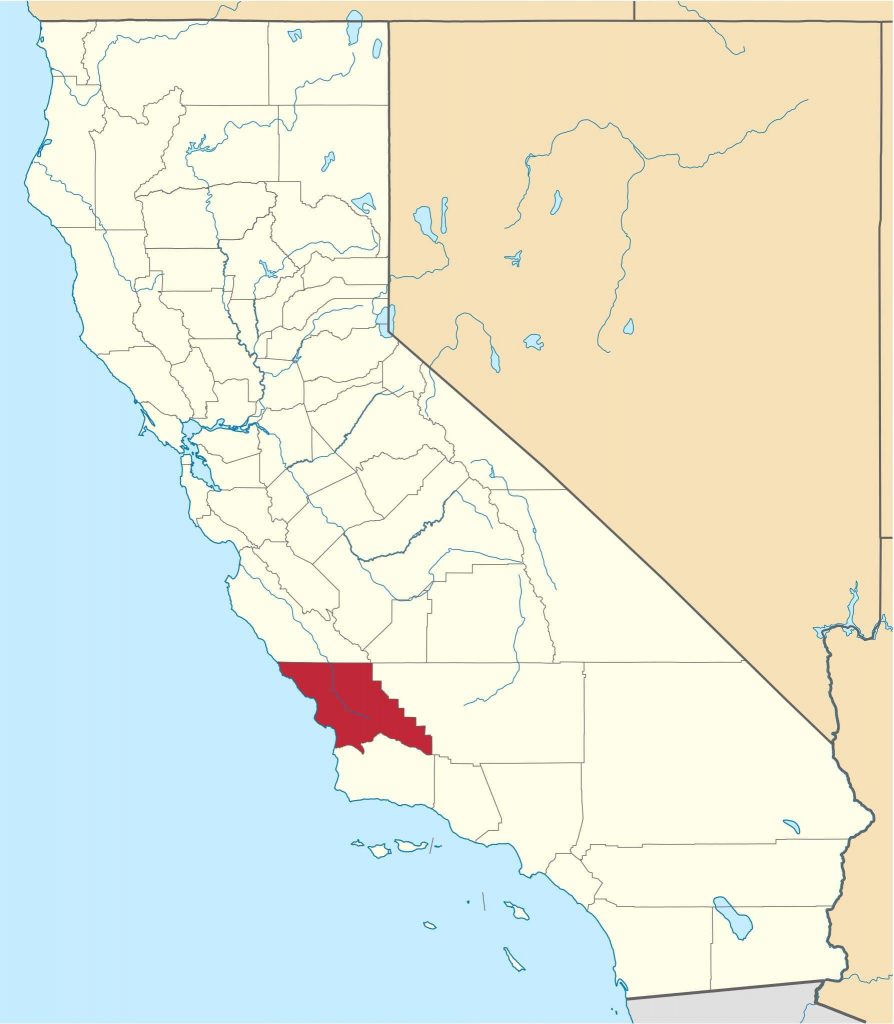
The horse lived in San Luis Obispo County and has been euthanized, but 26 horses are potentially exposed.
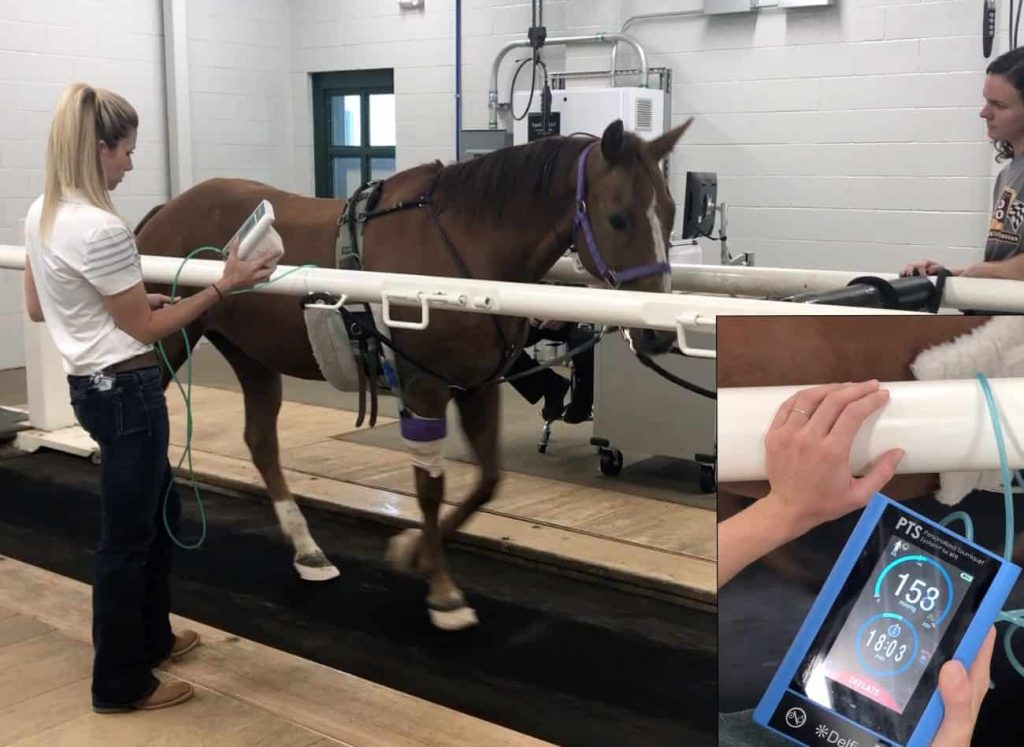
Blood flow restriction (BFR), a human rehab modality, was found to be safe and well-tolerated by horses in a pilot study.
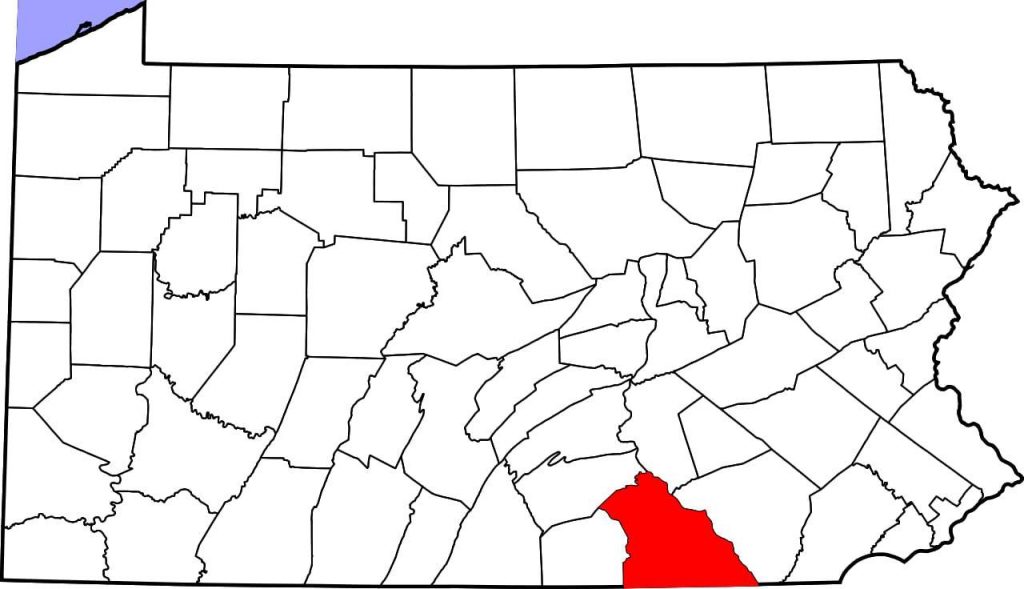
One horse in York County is positive for respiratory equine herpesvirus, and 40 horses are exposed.

One horse is positive for EHV-1 in Simcoe County, and another horse is suspected positive.
The 3 equine forms of this neuromuscular disease are found in many areas of North America.

If your horse is exhibiting regular behavior problems, cheek tooth pain could be the cause.

While ultrasound is useful for identifying articular process joint effusion in horses, it might undervalue the amount of swelling present.

Consider growth rate and nutrient balance when deciding what to feed young horses.

One horse at the racetrack in Maricopa County, Arizona, has tested positive, and 36 horses are exposed.
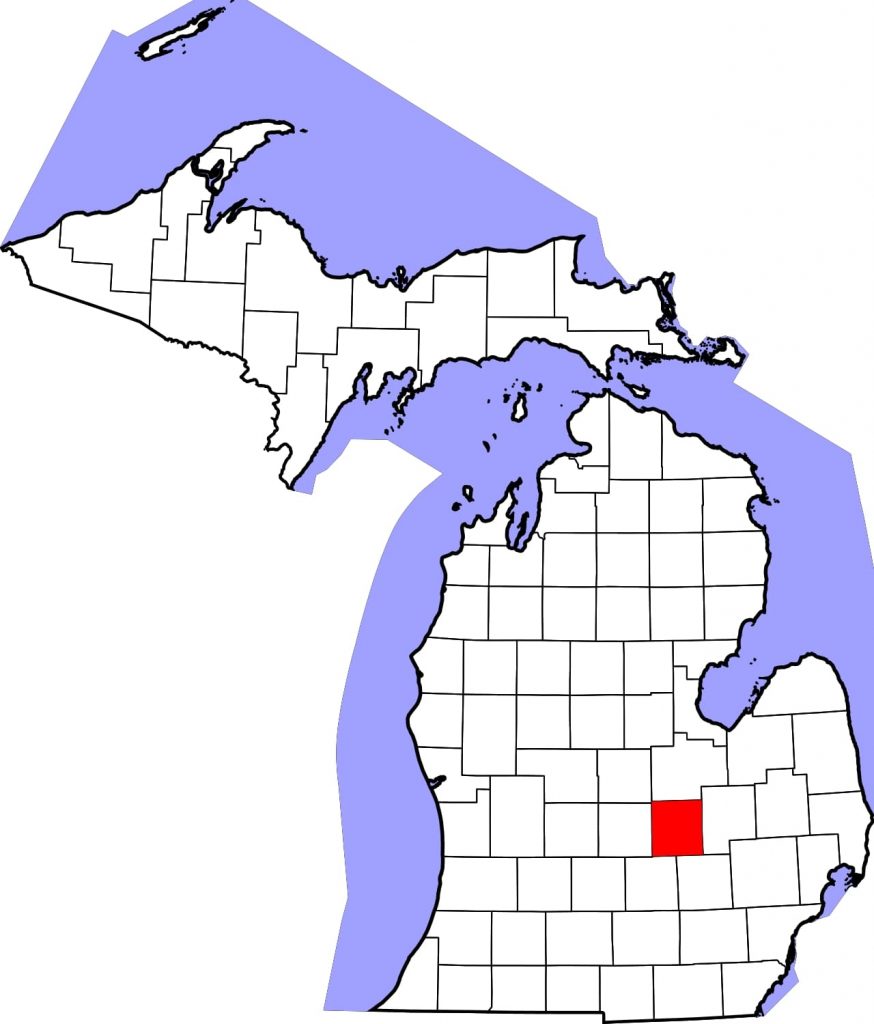
The mare resides in Shiawassee County and is under voluntary quarantine.