Remember: Lush Green Grass Could Be Harmful to Horses
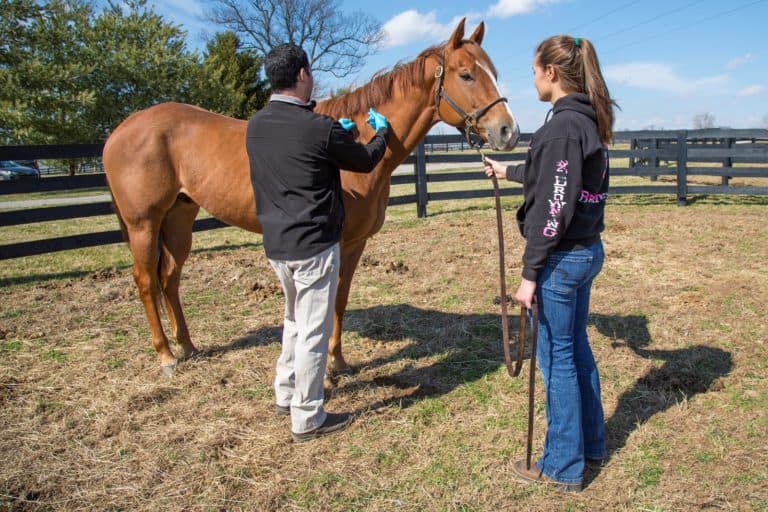
Spring grass might be delicious for horses, but it can cause problems including laminitis and fescue toxicity.

Spring grass might be delicious for horses, but it can cause problems including laminitis and fescue toxicity.

The overall pregnancy rate in this study was 90% and, on average, mares got back in foal about 45 days after abortion.

What you need to know and expect when using this breeding method.

Chronically laminitic mares developed potentially detrimental changes in uterine blood flow during pregnancy.

Post-mortem exams are crucial to determine what caused the abortion. Here’s what your veterinarian will look for.

The rare condition–primary hypothyroidism–in mares could be behind a potentially deadly foal problem called CHDS.
Find out how light can impact a mares’s ovulatory cycles.

Foaling rates one and two years after successful cyst removal via laser photoablation were 74% and 65%, respectively.

MicroRNA, a small nonprotein coding gene, holds potential as a novel way to diagnose various diseases in the horse.
Seminar topics include imaging the equine neck, reproduction, and soft-tissue injuries in performance horses.
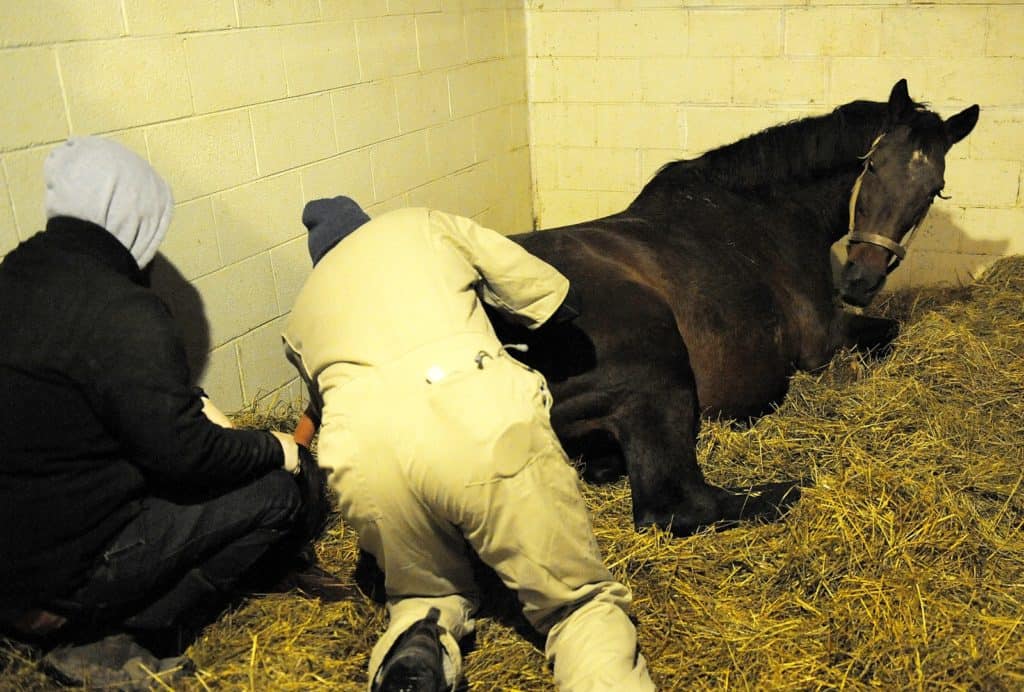
Eighty-one percent of mares survived with treatment and 77% of mares bred the subsequent year carried a foal to term.
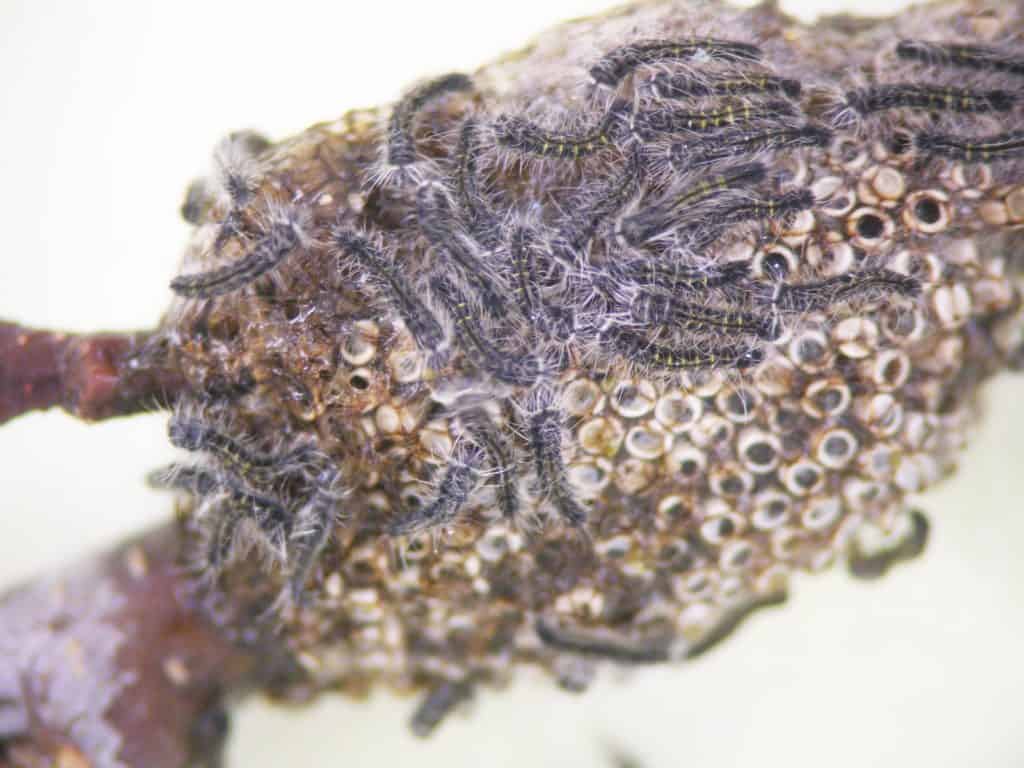
Eastern tent caterpillar consumption can cause late-term foal losses, early- and late-term fetal losses, and weak foals.

Nonlactating Thoroughbred mares perceived transrectal ultrasound exams as modest temporary stressors.
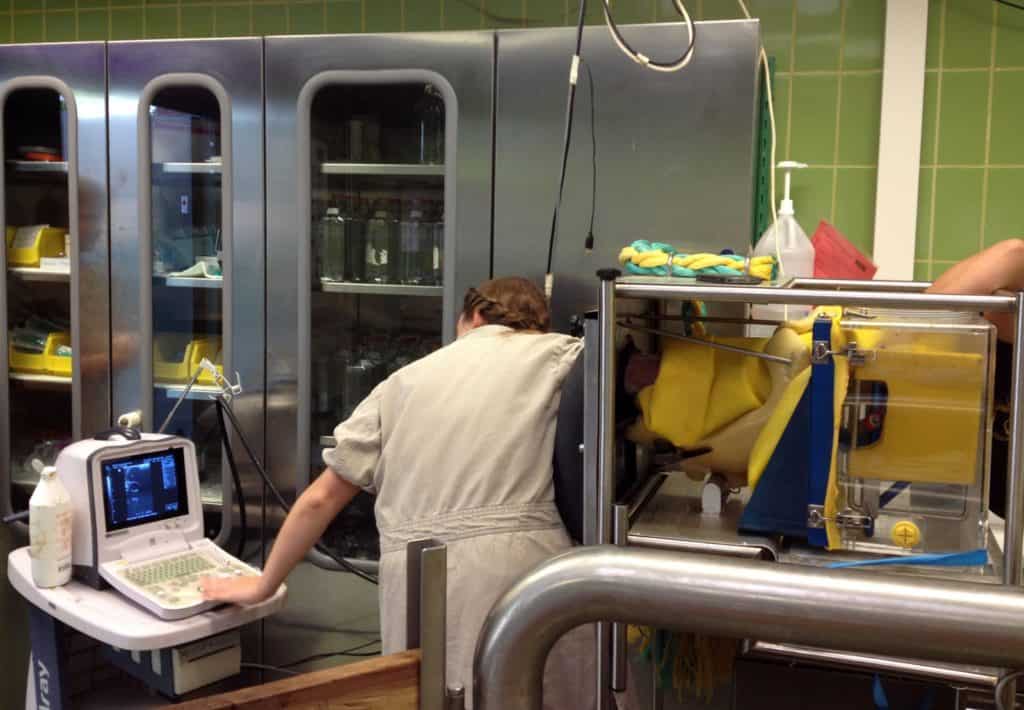
Researchers recently tested an equine gynecological exam simulator for its suitability in veterinary training programs.

Jennifer Linton, VMD, will describe what to expect when your horse is expecting on April 5 at the New Bolton Center.

Equine reproduction specialist Dr. Etta Bradecamp overviews obstacles related to breeding performance mares and stallions.