Helping Pregnant Mares’ Final Month be Fruitful (AAEP 2012)
One researcher says there are five major problems to consider during the final month of a mare’s pregnancy.

One researcher says there are five major problems to consider during the final month of a mare’s pregnancy.
Researchers evaluated the impact of postpartum breeding date on pregnancy, pregnancy loss, and foaling rates.

Ovulation in healthy mares was not impacted by acupuncture in this study.

Dr. Pat McCue gives a rundown on a number of 2012’s practical equine reproductive studies.

Prompt diagnosis and treatment of fungal uterine infections are necessary for a positive outcome.
Proper and timely intervention can mean the difference between a live foal and a lost one.
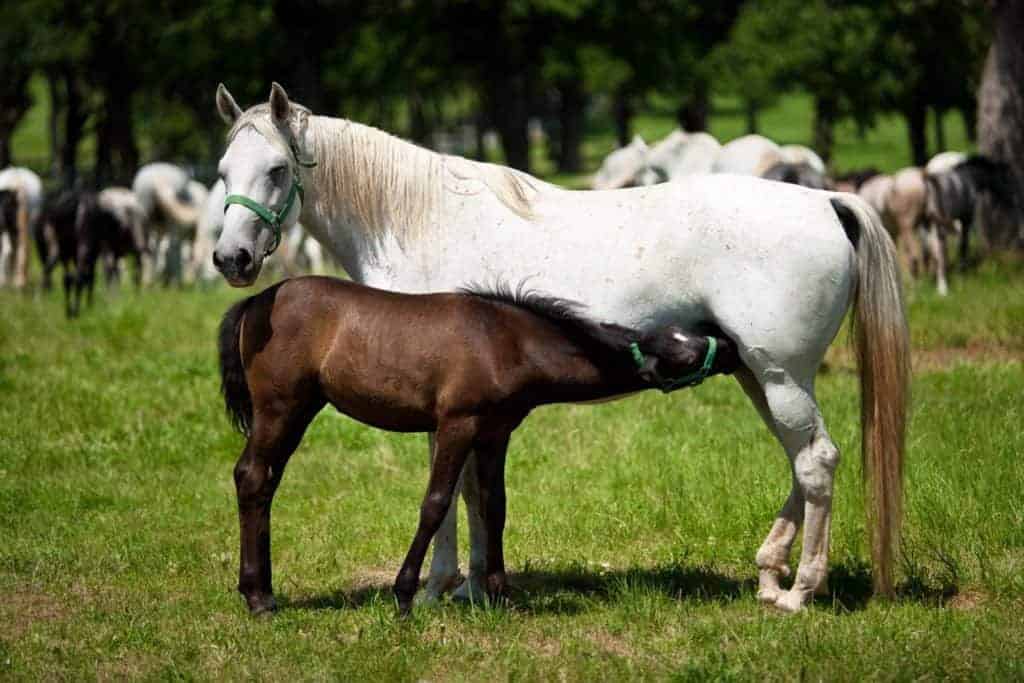
Supporting broodmares’ overall and nutritional health during lactation is especially crucial.
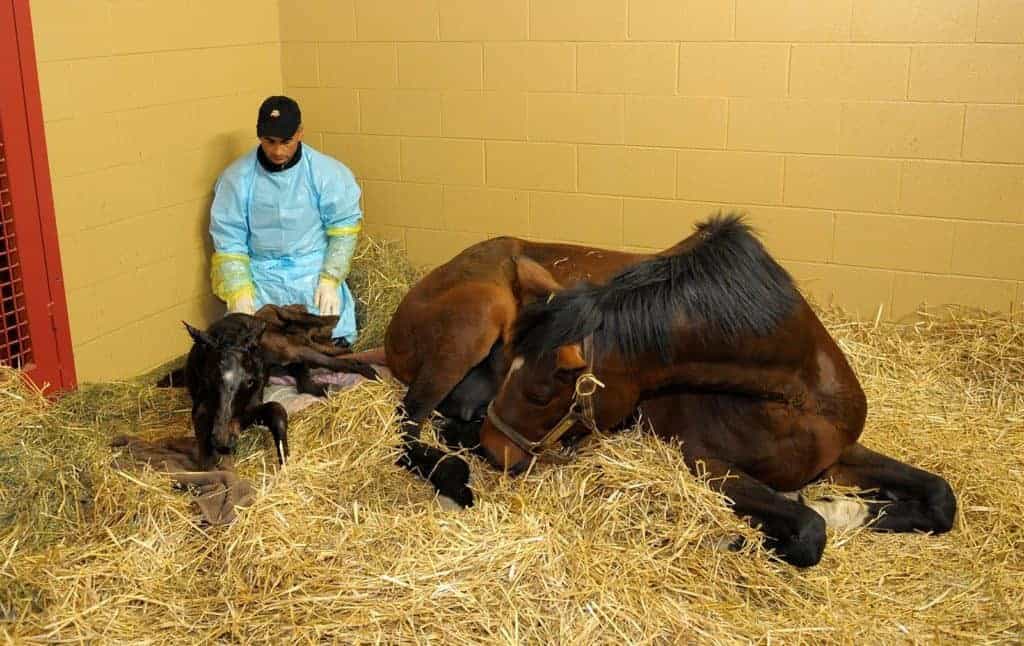
One veterinarian describes five factors that can negatively impact pregnancy and how to respond to them.
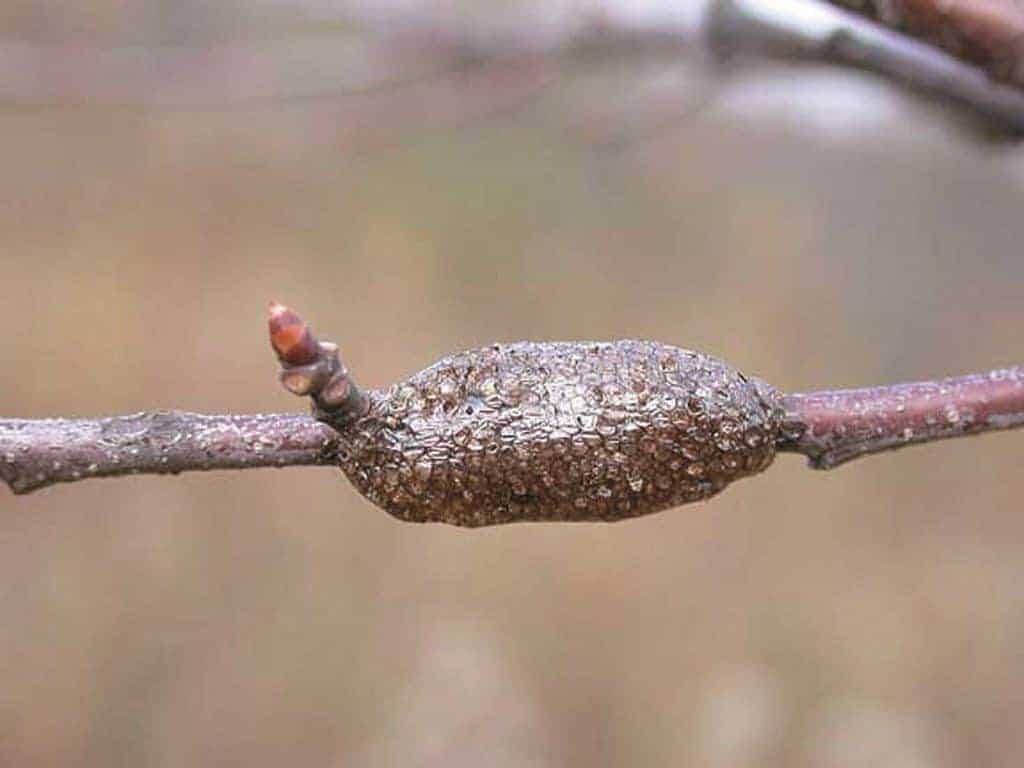
Experts report that the eastern tent caterpillar egg hatch will likely begin in mid-March in Central Kentucky.
Equine metabolic syndrome can put pregnant mares in an especially precarious in situation.
Keep a close watch on mares at risk for not carrying a foal to term.

Ergovaline levels over 200 ppb (parts per billion) in mature hay can cause fescue toxicity in pregnant mares.
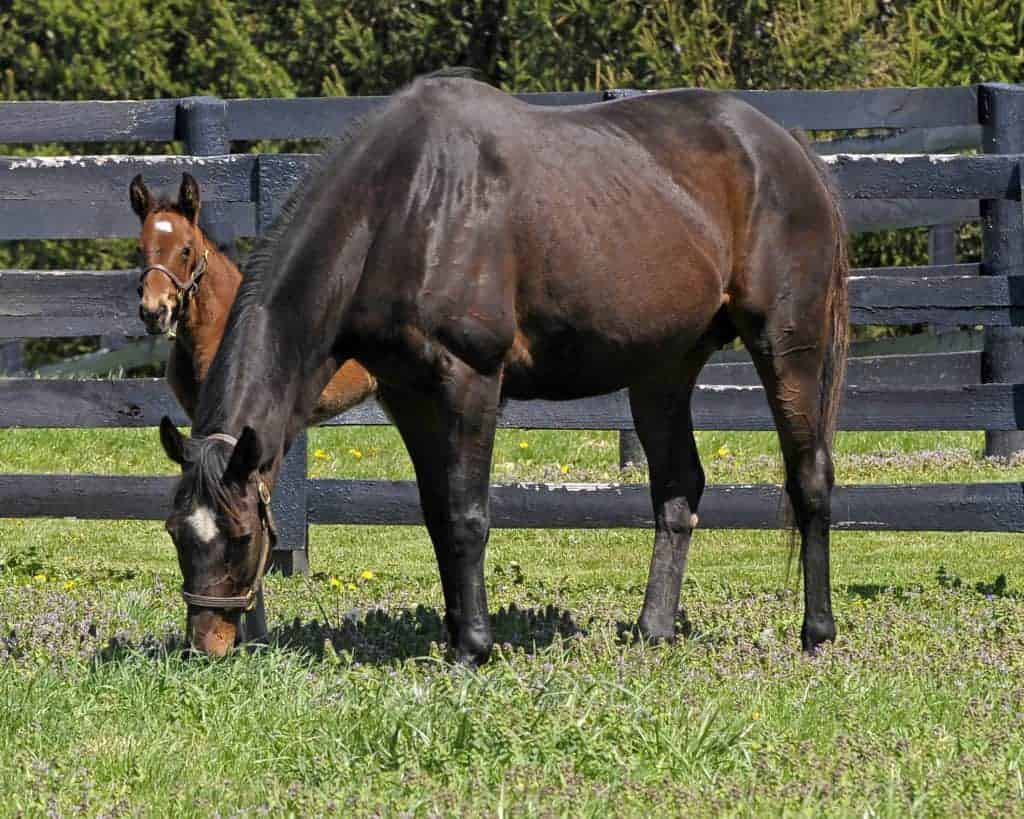
Several important factors must be considered before deciding whether to breed a mare on a foal heat.

Miniature Horses are more susceptible to some health problems than their larger counterparts.
Attendees discussed anovulatory follicles, ovulation induction agents, oviductal dysfunction, and more.

Consider the following “wishes” equine experts made to help maximize your horses’ quality of life.