Heart Rate Variability to Monitor Unborn Foals’ Health
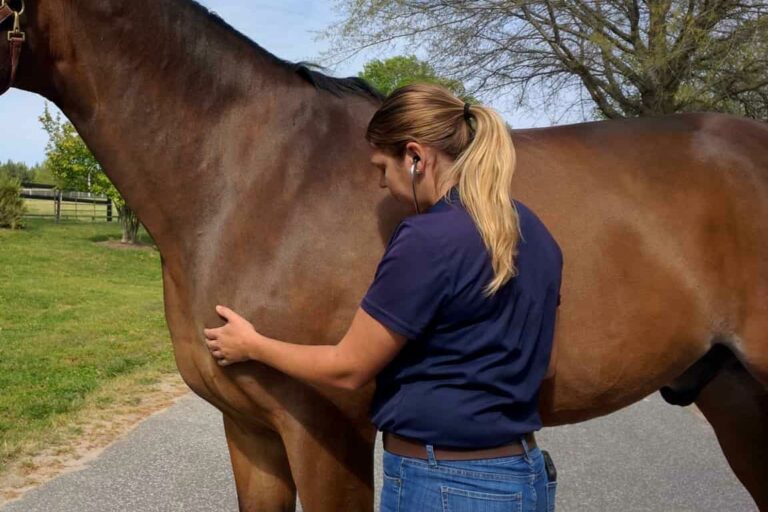
Heart rate variability gives a broader and possibly more accurate look at fetal well-being than heart rate alone.

Heart rate variability gives a broader and possibly more accurate look at fetal well-being than heart rate alone.
Confirmed diseases include vesicular stomatitis, herpesvirus, influenza, Getah virus, and strangles, among others.

Three horses at a Bucks County farm have been euthanized due to neurologic equine herpesvirus-1 (EHV-1) infection.

Longer light exposure appears to have numerous effects, from prompting coat shedding to increasing bone mineral density.

The new procedures could make sterile mares with XY sex chromosomes easier and less expensive for breeders to detect.

Learn how to manage these challenging cases and improve the mare’s chance of producing a live foal.

Researchers say the uterine environment can significantly impact a foal’s future bone health, metabolism, and more.

All horses must be accompanied by documentation of equine influenza and herpesvirus vaccinations within six months.

From toxins and molds to opossum droppings and animal carcasses, forage can contain a variety of harmful contaminants.
Lecture topics will include dystocia, care of a sick foal, and postpartum mare management.

Horses are a lot like preschoolers: gather them in groups and someone’s likely to get sick. Diseases like equine influenza, rhino, and strangles spread quickly through herds and, in some, they can turn serious fast. Learn how to protect your horse.
Lecture topics will include mare, stallion, and foal care; navicular syndrome; the digestive tract; and more.
Foal sitters assist veterinarians and staff with a variety of tasks in the neonatal intensive care unit.
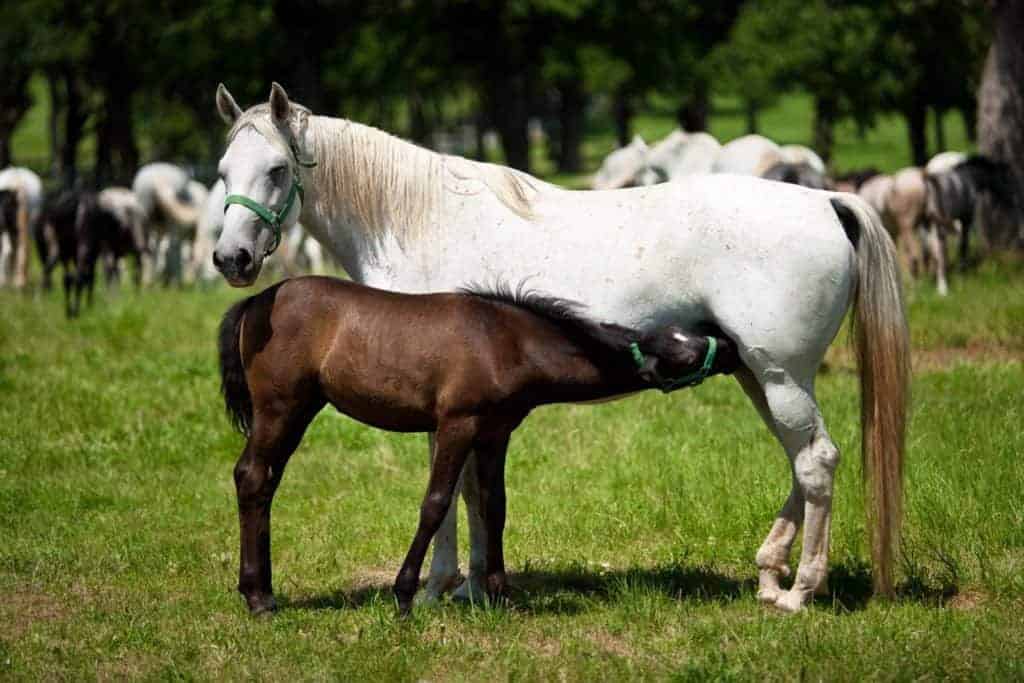
Researchers noted differences in the probability of producing a filly or colt based on the mares’ and stallions’ ages.
Reported diseases include vesicular stomatitis, equine infectious anemia, strangles, influenza, herpesvirus, and more.
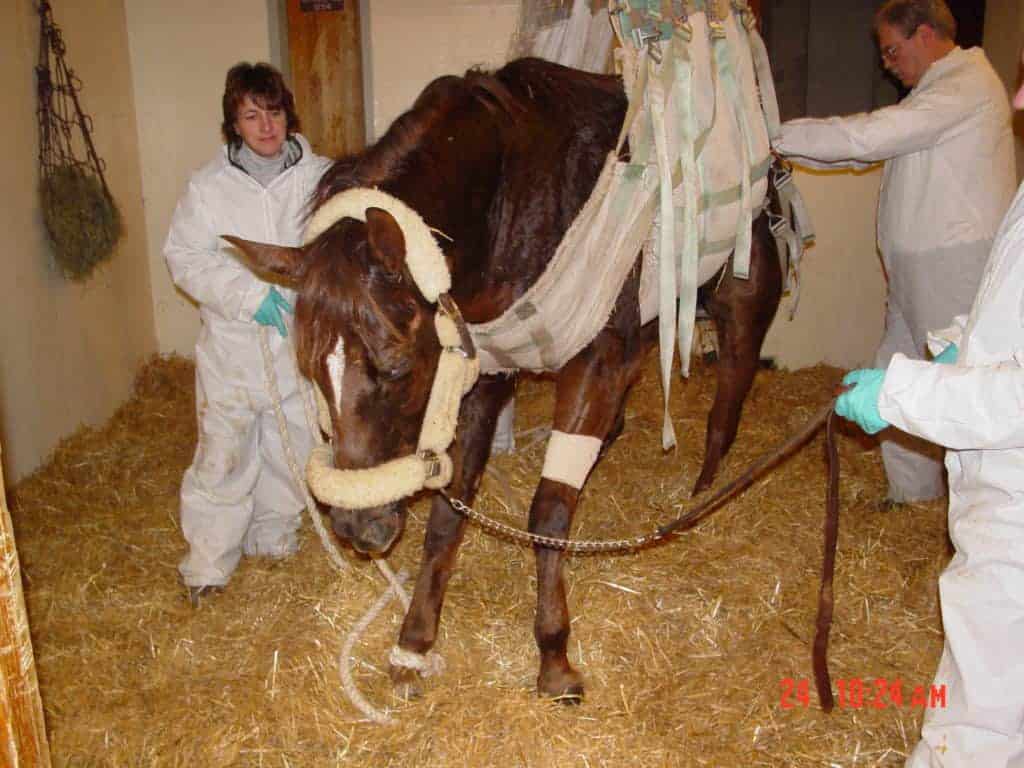
Learn how the respiratory, reproductive, and neurologic forms of equine herpesvirus-1 can impact your horse.