You’ve invested years of time, money, effort, and heart in your horse. Now, for one reason or another, it’s time to sell.
By the time the prepurchase examination (PPE) rolls around, you’ve likely already completed the hard work. You’ve advertised the horse and shared videos. Prospective buyers have exchanged and perhaps even completed a trial ride. The PPE often feels like the final hurdle before a sale is finalized.
It’s also a moment many sellers find stressful. A veterinarian selected by the potential buyer evaluates the horse’s current condition, reviews his history, and helps their client understand potential risks. But a PPE is not a crystal ball. A horse is a living athlete whose condition can vary from day to day, so the exam captures observations made at one specific moment. That’s why preparation matters so much. The most successful PPEs occur when the seller is organized, transparent, and prepared.
Here are seven things every seller should have ready before the veterinarian arrives.
1. Bring the horse’s story, not just their vaccination record.
Many sellers arrive with a current Coggins and vaccination history and assume they’re fully prepared. In reality, a meaningful medical history goes beyond basic preventive care. Prior imaging (radiographs or ultrasound images, for example), surgical records, joint injection history, lameness evaluation notes, dental records, bloodwork, and other relevant information help the veterinarian evaluate the horse with more complete context.
A horse with a prior issue isn’t automatically a poor purchase candidate, but undisclosed information can create mistrust and derail a sale. Transparency benefits everyone involved.
A note on medical records and conflicts of interest: A conflict of interest and can arise if the examining veterinarian has previously treated the horse, knows the seller, or has another professional relationship with someone involved in the sale. Again, the key is transparency. The seller should disclose all prior relationships, known medical history, and available records so the buyer can make an informed decision and choose another veterinarian if needed.
More guidance can be found on the American Association of Equine Practitioners website: Principles of Veterinary Medical Ethics (Equine Addendum).
2. Medication disclosure is non-negotiable.
If there’s one issue capable of destroying trust during a PPE, it’s undisclosed medication use. Before the examination, prepare a complete list of any medication administered recently, including prescription drugs, over-the-counter medications, supplements, feed additives, herbal products, and hormonal therapies.
Even when buyers decline drug testing, know that many veterinarians still collect and store blood samples. It’s remarkable how often a seller’s memory improves once blood has been drawn.
3. You don’t ride the radiographs: Competition history matters more than many sellers realize.
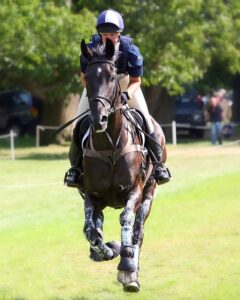
A horse’s performance history often provides more context than a single day of examination findings. While a PPE provides a snapshot of the horse that day, the show record demonstrates what that horse has consistently done over months or years. Be prepared to discuss the horse’s current competition level, training schedule, exercise routine, length of ownership, gaps in training or competition, and known limitations.
4. Have official documentation ready.
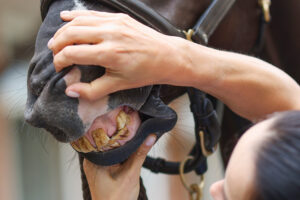
Part of every PPE includes age verification. Veterinarians estimate age through dental examination, but dental aging becomes increasingly difficult in older horses. Having breed registration papers, passports, official show records, measurement cards, or prior bills of sale readily available can be valuable, especially for horses competing in age-restricted divisions or measurement-based classes where documentation could influence value and eligibility.
5. Discuss sedation before the examination begins.
Many PPEs include procedures that might require sedation, such as radiography, ultrasound, oral or ophthalmic examination, upper airway endoscopy, reproductive evaluation, or rectal exam (used to assess the cervix, uterus, and ovaries in a broodmare prospect). As the seller, determine beforehand whether you’re comfortable allowing sedation if recommended. Also consider upcoming competition schedules, because withdrawal times and governing body regulations might be relevant.
6. Don’t neglect the horse’s feet.
As veterinarians we often say, “No foot, no horse.” Yet many PPEs occur at the end of a shoeing cycle. Long toes, crushed heels, loose shoes, and excessive hoof growth can influence both movement evaluation and radiographic interpretation. Maintain a regular shoeing cycle and present the horse well before his next farrier visit.
7. Presentation matters more than you think.
First impressions count. A PPE isn’t a horse show, but professionalism still matters. The ideal handler knows the horse well, can safely jog and longe him, understands his behavior, and can answer basic management questions.
Have the horse clean and groomed with his feet picked out, appropriate tack available if needed, and a safe area ready for evaluation. A horse should generally arrive at the PPE in the same state of management and exercise that has supported their regular work.
Take-Home Message: Preparation Builds Confidence
The best PPEs don’t hinge on the fewest findings but on open communication and everyone involved understands the horse being evaluated.
As sellers, you can’t control every finding or how a veterinarian will interpret every observation. What you can control is your preparation, transparency, and professionalism. When records are organized, medications are disclosed, paperwork is available, and the horse is thoughtfully presented, the veterinarian can focus on providing an accurate assessment of the horse at that moment in time.