Murray Valley Encephalitis in Horses: What We Know
Learn about this uncommon, but often deadly, virus and its impact on infected horses in Australia.

Learn about this uncommon, but often deadly, virus and its impact on infected horses in Australia.

Horses require two doses of the West Nile vaccine initially, and then boosters at least annually.

Design vaccination protocols to maximize each horse’s innate and adaptive responses to disease challenges.
Early recognition of emerging and re-emerging diseases is of paramount importance if their impact is to be minimized.
Diseases diagnosed include herpesvirus, tetanus, strangles, piroplasmosis, West Nile virus, and more.

Horses require two doses of the vaccinations initially and then boosters at least annually.

Bats have moved into one horse owner’s barn. Find out if that’s a good or bad thing.
The 25-year-old son of Seattle Slew was euthanized Feb. 25 due to complications with equine protozoal myeloencephalitis.
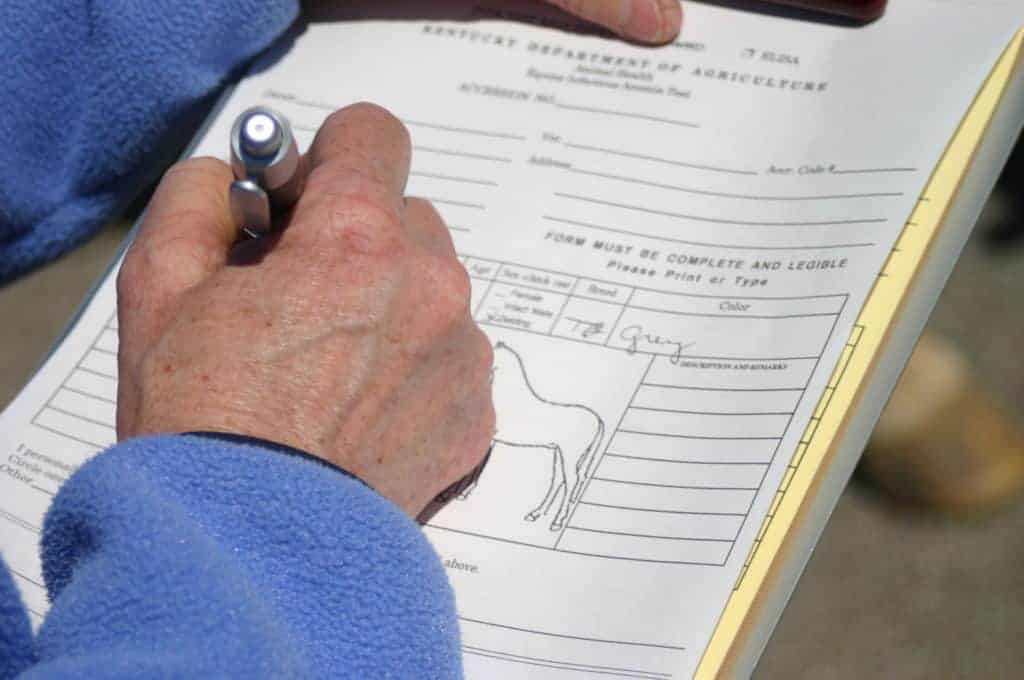
Here’s why following testing regulations for equine infectious anemia is critical to maintaining good horse health.
By knowing what conditions certain horses are predisposed to, owners and breeders can take preventive steps.

Thirty-four racing Quarter Horses, ranging in age from 3 to 8 years, have tested positive for EIA since 2012.
Diagnosed diseases include strangles, influenza, vesicular stomatitis, hendra virus, salmonellosis, and more.

Despite all that is known, important questions still remain about wobbler syndrome.

Learn how vaccines can protect horses, why they’re important, and which ones your horse needs in our visual guide.

Find out which foreign animal diseases North American horse owners need to keep an eye on and why.

Testing for and identifying which horses could potentially be affected by genetic conditions is important not only for buyers and breeders but also for the overall health of the breed itself.