Equine Influenza Reported in Oregon
Three horses that were at the Far West Championship Horse Show tested positive and more are showing clinical signs.

Three horses that were at the Far West Championship Horse Show tested positive and more are showing clinical signs.
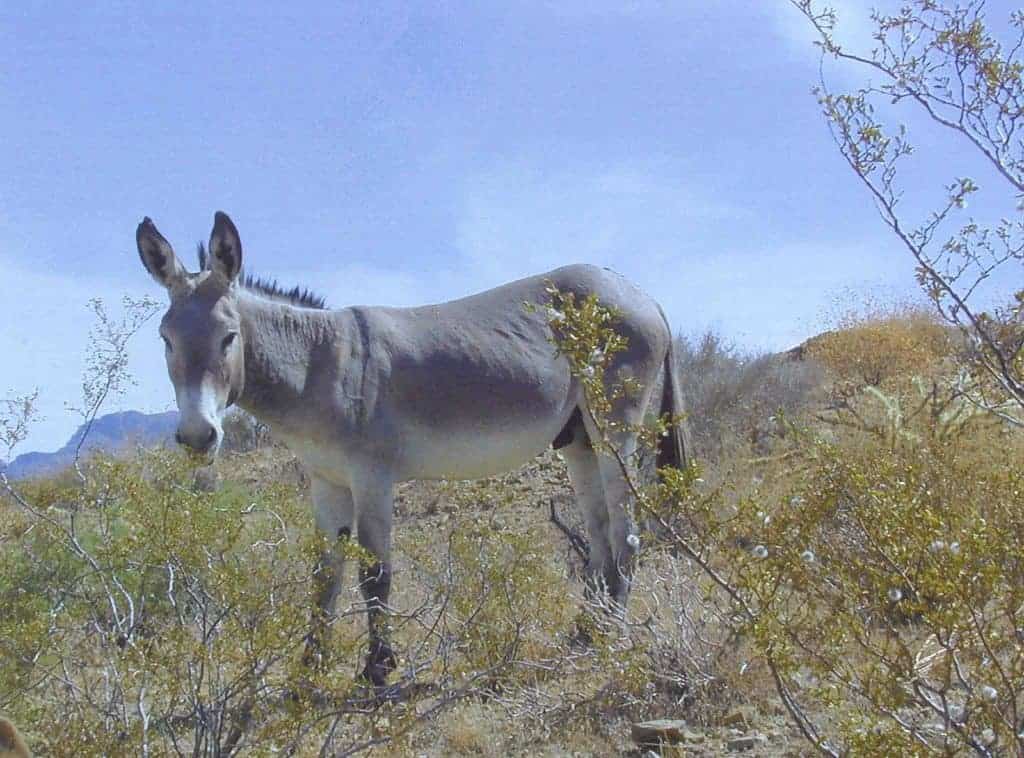
Six wild burros from the Black Mountain Herd Management Area tested positive influenza last month.

Strangles outbreaks can be devastating, but the damage can be minimized or prevented through practical control plans.

Researchers found that omega-3 fatty acid supplementation can reduce signs of chronic lower airway disease in horses.

Researchers tested whether a novel S. equi vaccine could better prime a vaccinated horse’s immune response.

Often used to treat dorsal displacement of the soft palate, the technique also appears useful for treating dysphagia.
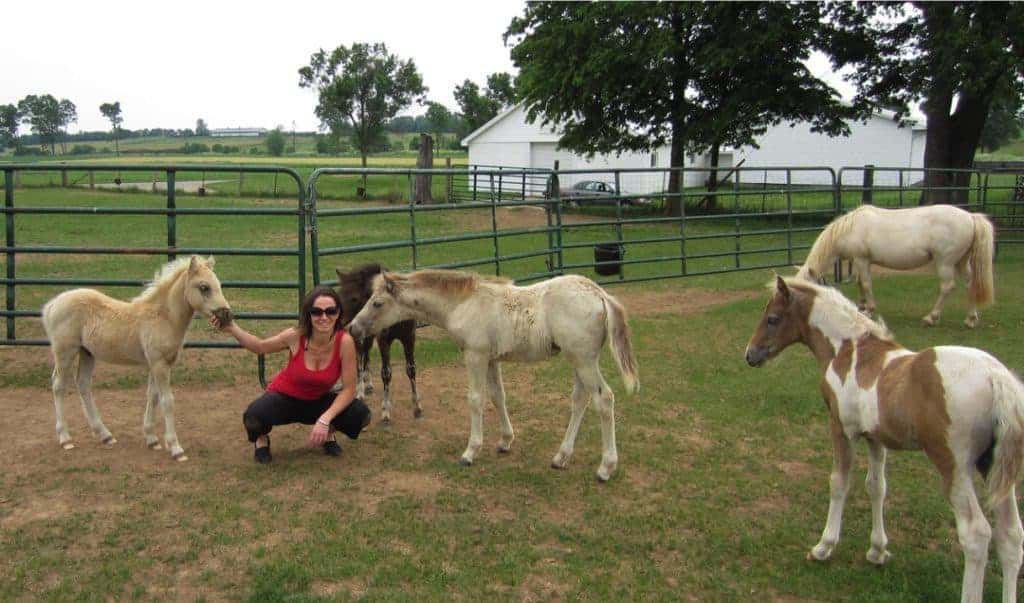
Sanz’s research has focused on Rhodococcus equi, a microorganism that causes pneumonia in young foals.
A filly goes to the trainer and ends up sick and with ulcers. Will they return when she goes back into training?

Design vaccination protocols to maximize each horse’s innate and adaptive responses to disease challenges.
Diseases diagnosed include herpesvirus, tetanus, strangles, piroplasmosis, West Nile virus, and more.

Nasopharyngeal catheter administration results in good cover of the larynx, nasopharynx, and soft palate.

Administering hyperimmune plasma (HIP) seems to have a positive effect on limiting R. equi infections.
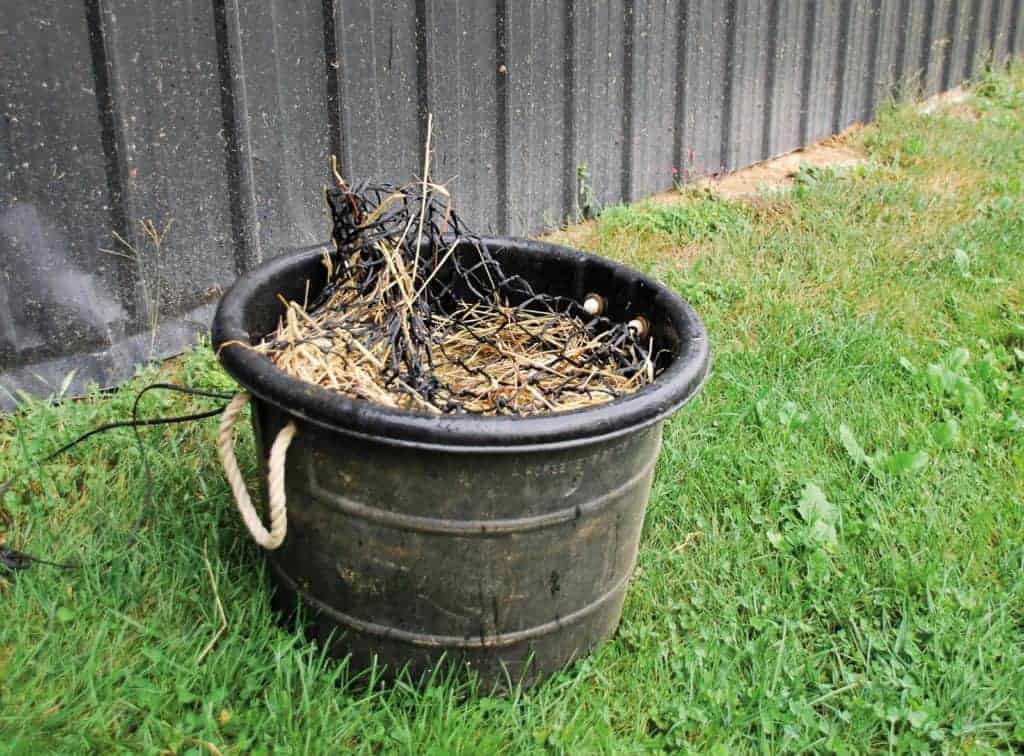
In some cases, hay needs to be modified slightly to decrease the soluble sugars to maximize the hay’s benefits. Here’s what you need to know.
Study topics include laminitis, foal pneumonia, stem cells, endometritis, joint issues, insulin resistance, and more.
The event, which is open to the public, will be held March 16 at 5:30 p.m. in Ocala, Florida.
Under the provision the official vet must observe a horse bleeding from one or both nostrils during or after the race.