Fall Vaccines for Horses
Horses might need additional risk-based vaccines in the fall months, depending on location and activities.

Horses might need additional risk-based vaccines in the fall months, depending on location and activities.

Strangles can spread quickly wherever horses gather. Learn how to recognize the disease and your horse’s risk.

Two experts discuss the ins and outs of managing horses with asthma in this Ask TheHorse Live episode. Sponsored by Kentucky Performance Products.

Watch for signs of these 5 health conditions when you’re trying a horse to buy, and talk to your veterinarian about any concerns.

One unusual case shows how headshaking can have an infectious origin. Read more in The Horse’s Summer 2026 issue.

Biosecurity measures remain a critical component to combating ‘strep throat for horses.’

Researchers identified regional differences in fungi found in asthmatic horses’ airways. Here’s how you can manage your horse’s risk.

Selective treatment strategies can combat antimicrobial resistance while protecting foals from R. equi.

Barn air quality can shape a horse’s respiratory health. Good ventilation and thoughtful management help reduce airborne irritants and protect the lungs.
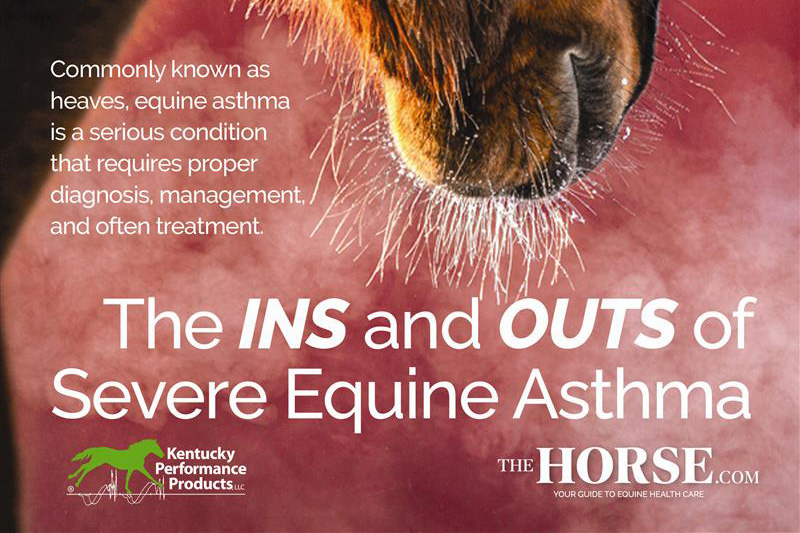
Commonly known as “heaves,” equine asthma is a serious condition that requires proper diagnosis, management, and often treatment. Sponsored by Kentucky Performance Products.

Take a few simple precautions and management approaches to help your horse weather winter safely.

Read about the do’s and don’ts of feeding horses that have 4 common health conditions, including gastric ulcers, metabolic disorders, and more.
Researchers examined if polyphenol supplementation, along with adequate management practices and nutrition, can be beneficial for horses with airway disease.

Researchers have reported an association between tracheal mucus levels and severe equine asthma.

In this case report we see how a senior mare diagnosed with severe equine asthma repeatedly developed pneumonia and how her veterinarians and owner successfully managed it.

Equine asthma is an umbrella term used to describe chronic, noninfectious airway inflammation in horses. Here’s what experts know.