Respiratory Health Webinar June 18
TheHorse.com’s Webinar on Managing Noninfectious Respiratory Problems was broadcast June 18 at 8 p.m. ET.

TheHorse.com’s Webinar on Managing Noninfectious Respiratory Problems was broadcast June 18 at 8 p.m. ET.
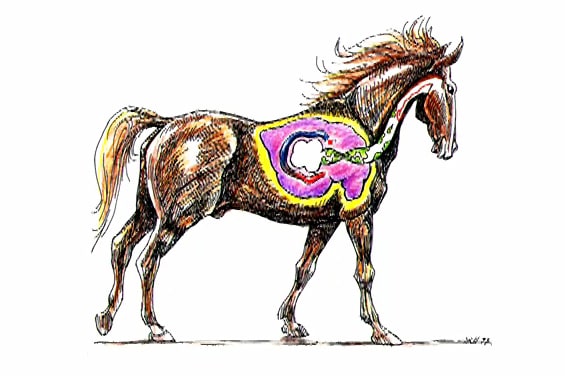
Respiratory problems are a major cause of poor performance in horses. Environmental issues can cause many non-infectious respiratory problems. Learn about management techniques to minimize these issues and prevent respiratory problems.
Rhodococcus equi bronchopneumonia is a prevalent cause of disease in foals, said M. Keith Chaffin, DVM, MS, Dipl. ACVIM, a professor of medicine at Texas A&M University’s vet school, at the 2008 American Association of Equine Practitioners convention, which was held Dec. 6-10 in San Diego, Calif.
This is one of a series of articles translated as part of our partnership with A Caballo, an equine publication based in Mexico, and Jorge
Respiratory problems are a major cause of poor performance in horses.
Women aren’t the only ones suffering from decreased bone density and bone mass loss–horses in Central California have experienced a systemic osteoporotic disorder. Equine bone fragility syndrome, a systemic osteoporotic (characterized by a decrease
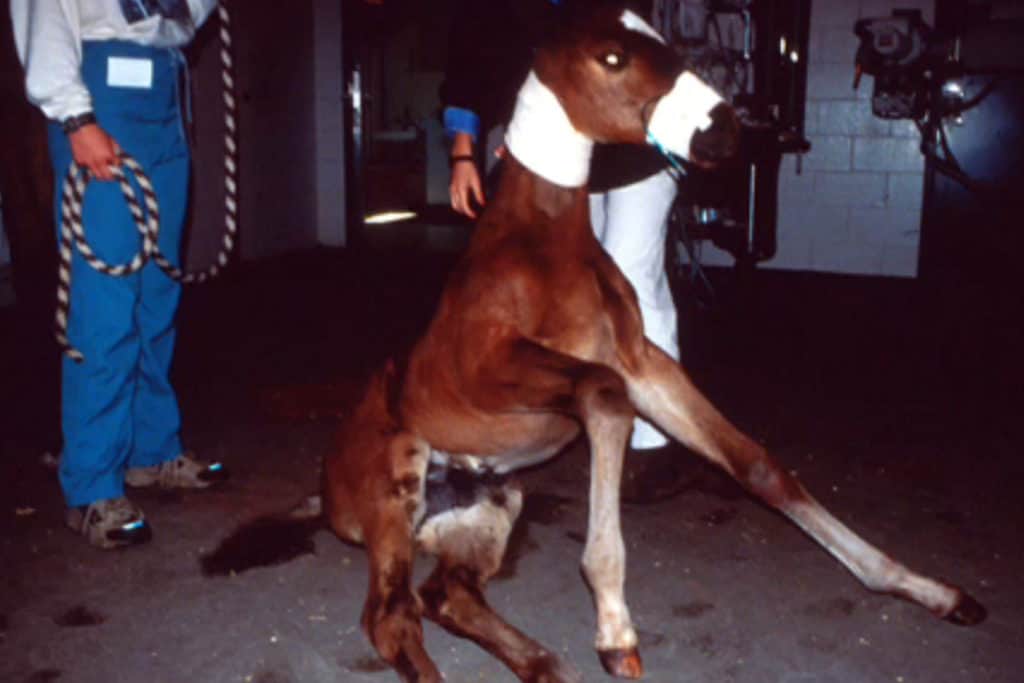
A problem in eastern Canada, the United States, and internationally, R. equi is a soil bacterium that causes severe pneumonia in foals.
In addition to the risks viruses and bacteria pose to the horse, environmental exposure to particulates dispersed from feed, bedding, footing materials, and other sources (such as diesel exhaust) all can lead to IAD. Even small increases in aerodynam
A product that could stimulate the immune systems of newborn foals to better fight infection of Rhodococcus equi would be very beneficial, said Steeve Giguère, DVM, PhD, of the University of Florida, at the 2008 American Association of Equine
To test novel techniques for managing laryngeal hemiplegia, more commonly referred to as “roaring,” a research team from Cornell University has created a working model of the equine larynx.
Dysfunction of the left recurrent laryngeal nerve
How the horse’s head is positioned for radiographs (X rays) evaluating the efficacy of a tie-forward surgery can have a dramatic impact on the results, researchers from the United Kingdom report.
The laryngeal tie-forward
Due to its contagious nature, outbreaks of the bacterial disease strangles, which can cause serious complications, periodically occur. This can send owners scrambling to protect their horses.
Owners are justifiably concerned because
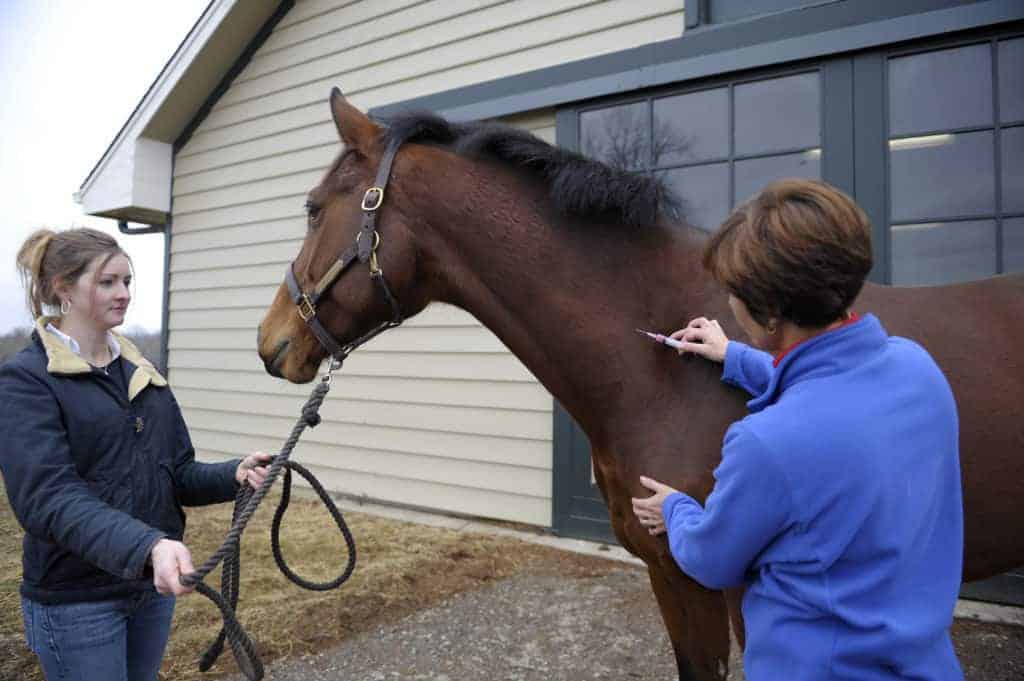
Immunizations are the cornerstone of disease prevention if given appropriately and in a timely manner.
The British Horse Society (BHS) has announced that it’s recruiting volunteers from across the U.K. for fundraising skydives aimed to support researchers examining strangles.
A release from the U.K. organization noted that participants
Synbiotics Corporation of Kansas City, Mo., announced at the 54th Annual Convention of the American Association of Equine Practitioners (AAEP) that a new screening test for equine influenza virus type A is under USDA review.
The test would
If you think you are pampering and protecting your horse in his cushy, comfortable stall instead of turning him out on pasture, think again. Michigan State University researchers have found that stabled horses are exposed to eight