Sunburn and Photosensitivity in Horses
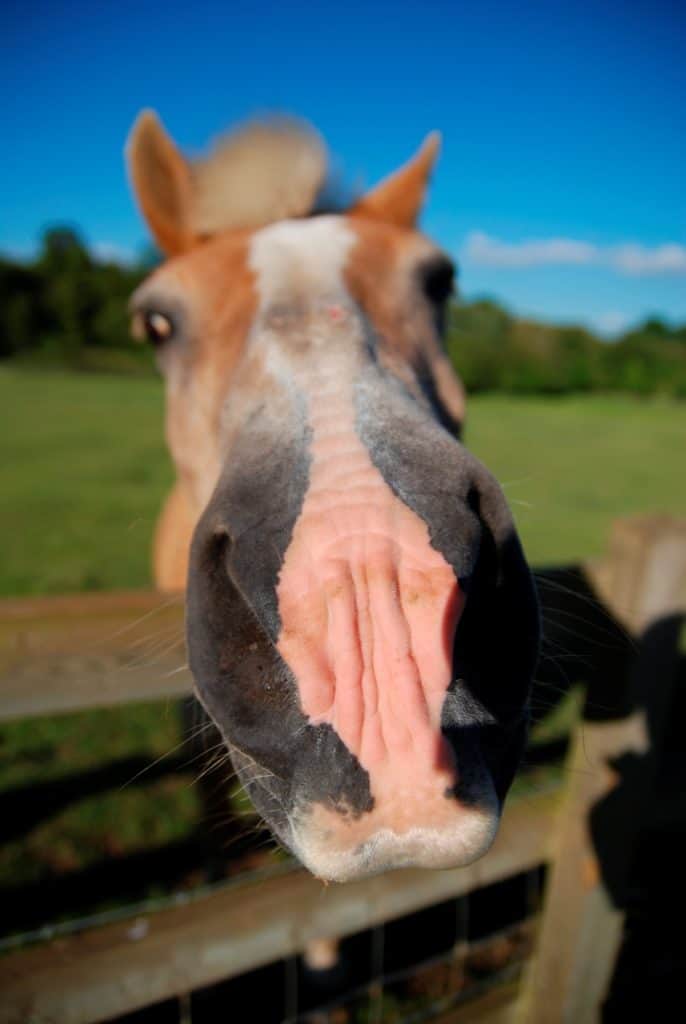
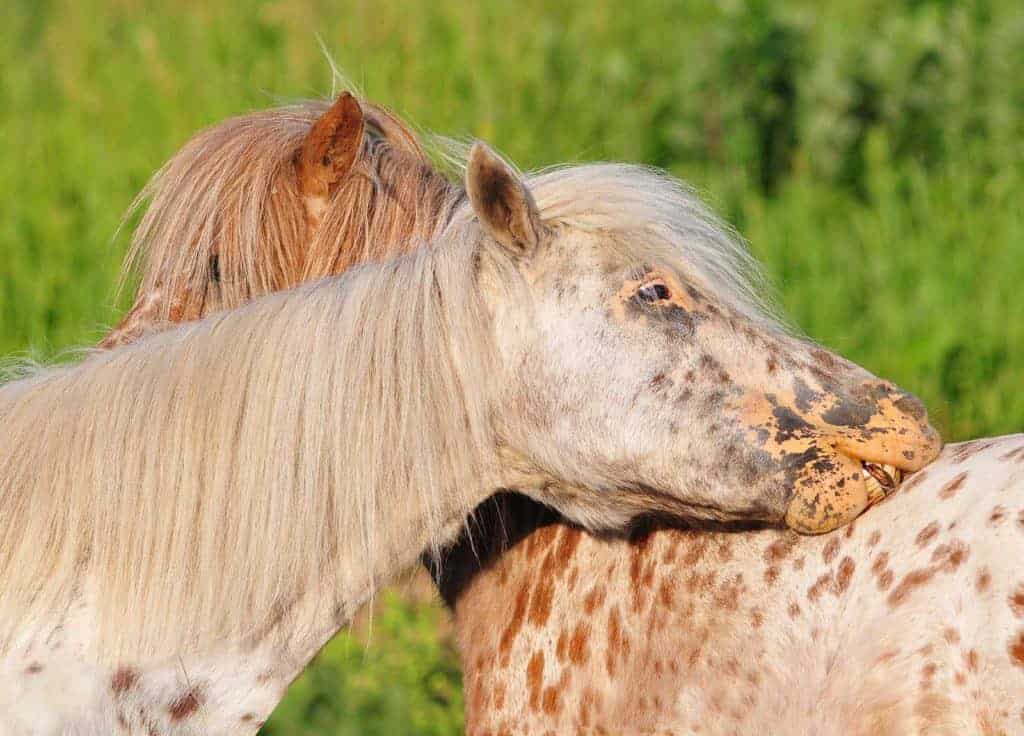
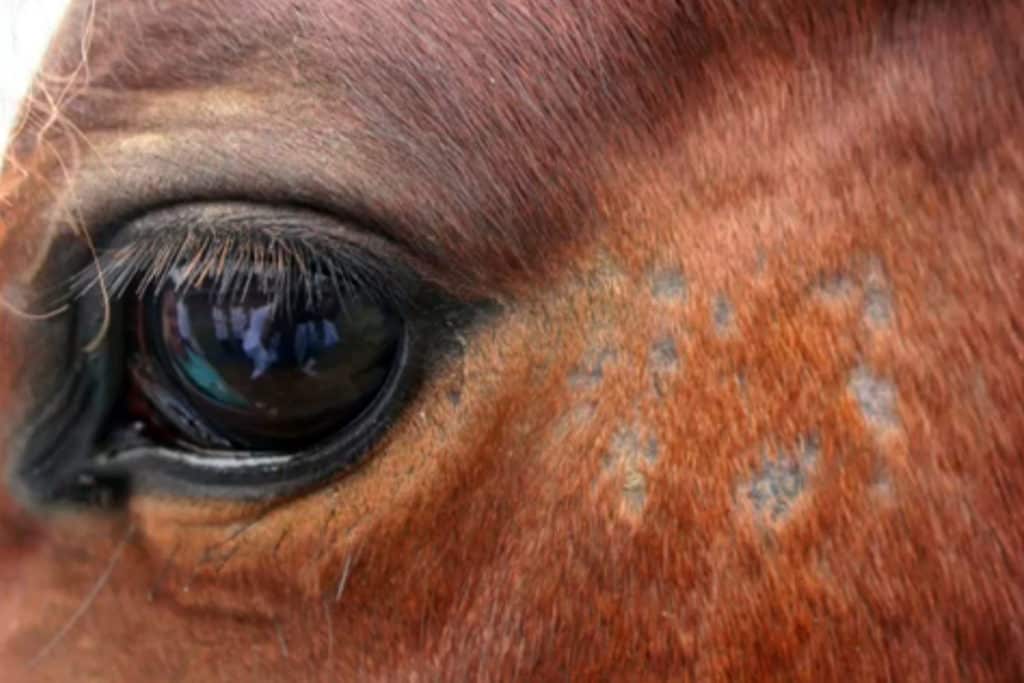
Like humans, horses are susceptible to sunburn, especially on the non-pigmented pink-skinned areas of the body. Sunburn is most frequently seen around the eyes and on the muzzle of pale or white-faced horses.

Like humans, horses are susceptible to sunburn, especially on the non-pigmented pink-skinned areas of the body. Sunburn is most frequently seen around the eyes and on the muzzle of pale or white-faced horses.
In the world of blood-sucking tabanid flies, a white horse is not nearly as attractive as a brown or black horse, noted a group of researchers from Hungary, Spain, and Sweden.
This interesting tabanid tidbit is likely to be welcomed

My neighbor has a major problem with sunburn on her Appaloosa mare. She is a black mare with spots on her rump that sunburns easily. We have not been able to find anything that has helped it. What do you recommend to help it heal?
Latherin, a soaplike protein in horse sweat and saliva, helps spread sweat over the coat, maximizing evaporation of water for heat loss, and causing the foam that we see when horses sweat profusely. Latherin is also found in saliva, which might
In the spring and summer my Paint mare has a rash-type skin problem around her nose and moving to her shoulders. It starts out looking like what we were told was dew poisoning, but it has spread to the point of bumps, scabs, raw sores, and bleeding.
Despite the fact that 20% of racehorses in the southern United States are affected by anhidrosis–the inability or decreased ability to sweat–the underlying causes of this medical condition remain unknown.
Sweating is the primary mean
For the one-time occurrence of hives, you might never discover the incriminating source. However, if hives recur, you might be motivated to track the allergen. Start by mentally reconstructing any changes in diet, environment, medications,
Aggressive research efforts to discover how the sarcoid-causing bovine papillomaviruses (BPV) are spread either within or between horses have resulted in the identification of BPV genetic material (DNA) in circulating blood cells.
In an effort to find a cure for sarcoids, common skin tumors in horses, a group of researchers have spent the past 15 years developing electrochemotherapy (ECT)–a treatment modality that uses a combination of chemotherapeutic drug administratio
Skin cancers are seen in horses, and many methods and technologies have been used to treat them. One of the more recent strategies is intralesional chemotherapy, or placing a chemotherapeutic agent directly in the tumor to kill the abnormal cells.
Fire ants deliver a simultaneous bite and sting that are very painful and give them their infamous name. The threat of fire ants to healthy, ambulatory adult animals is fairly minimal. However, fire ants can be a significant threat to recumbent

Learn how your horse’s anatomy works with our complete anatomy and physiology guide, including basic terminology, skin, forelimbs, hindlimbs, feet/hooves, head and neck, tendons/ligaments, muscles, digestive, cardiovascular and reproductive systems.
According to a new Canadian study, cellulitis–a diffuse bacterial infection of the skin and associated tissues–is common in horses, particularly Thoroughbreds, but is rarely life threatening if managed appropriately.
“Despite being a
Nearly 1,600 readers of TheHorse.com responded to a poll asking, “Has your horse had rain rot?”
Horses with sarcoids could soon benefit from a new vaccine-based treatment that is currently being developed by a group of German researchers. Equine sarcoids, semi-malignant skin tumors caused by bovine papillomaviruses (BPV)-1 and -2, are common in
Stay on top of the most recent Horse Health news with
"*" indicates required fields