Fall Nitrogen Benefits Horse Pastures Year-Round
Most cool-season horse pastures should be fertilized with nitrogen in the fall to boost root reserves and extend the grazing season.

Most cool-season horse pastures should be fertilized with nitrogen in the fall to boost root reserves and extend the grazing season.

While using goldfish to help clean water troughs is popular among horse owners, one researcher shows it’s ineffective.

A University of Minnesota graduate student investigated types of bale wrap and their effects on alfalfa baling time, dry matter losses, nutrient values, moisture levels, cost, and bale value. Here’s what she found.

Can decreasing pasture size also decrease your horse’s weight even if turnout time doesn’t change? A researcher investigated and offers management tips based on her results.

Staff from the UK Horse Pasture Evaluation program recently observed ergot bodies in tall fescue pastures on several Central Kentucky horse farms. Here’s what to watch for.

Buttercups in horse pastures can cause problems, but their acrid taste usually deters livestock from grazing. Here’s what to know.

One study presented at the 2019 Equine Science Society Symposium found the answer. Also learn about how vibration plates really affect horses, if GPS accurately measures horse speed, and more.

Experts offer tips for mud management on farms and how to keep horses and their hooves healthy when faced with copious wet weather.
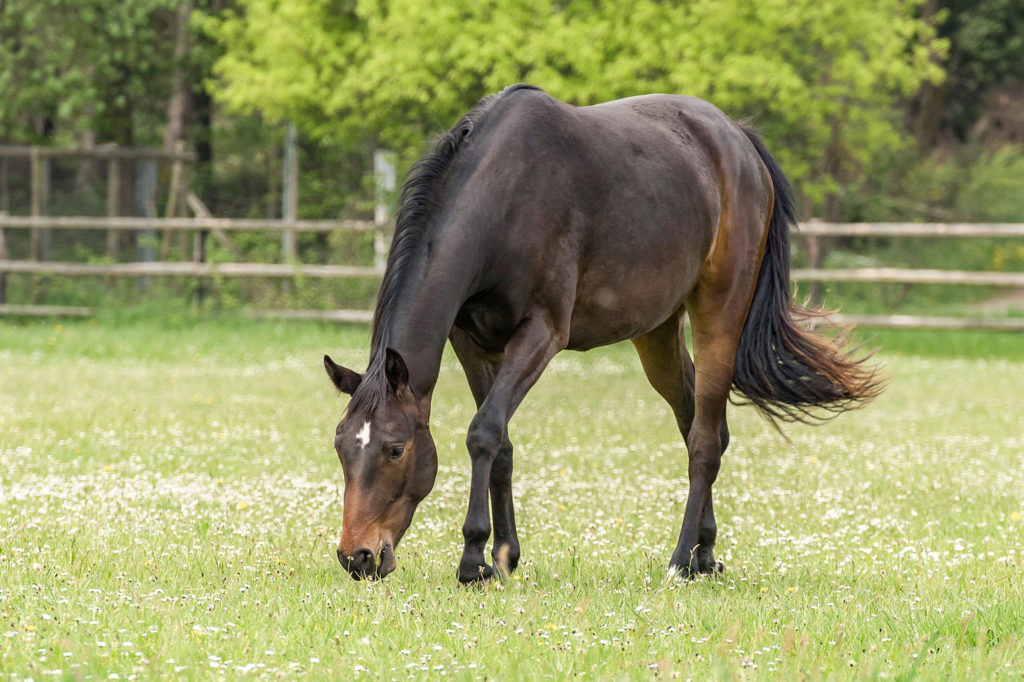
Horses with grassy turnouts graze all day, so they don’t need extra forage when they’re stalled at night, right? Not so fast, our nutritionist says. Here’s why.

When you’re constructing a horse farm and have limited land, design and layout are critical to maximizing your time and resources. Download this free report for tips on how to design a functional farm on what land you have.

Here’s a brief look at “green” horse keeping techniques you can implement on your farm this summer.

Find out which flowers, shrubs, and trees you should avoid when sprucing up your barn this spring.
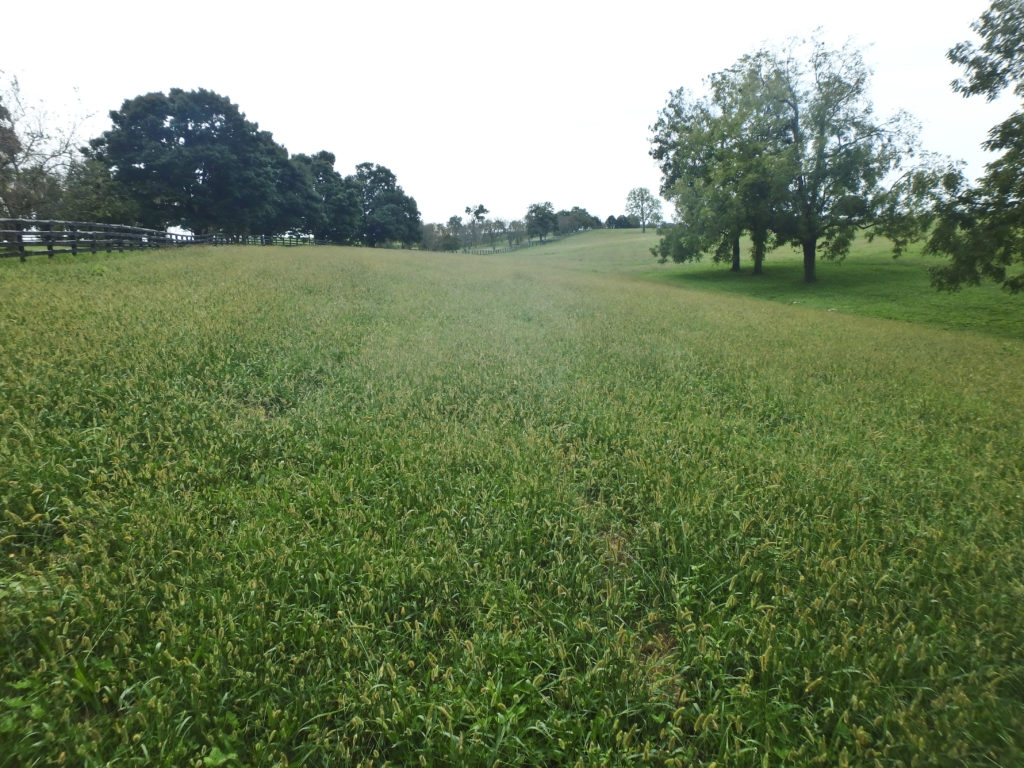
Broadleaf plants, such as dandelions and ragweed, aren’t the only weeds that can infiltrate pastures. Here’s how to control grassy weeds that can be prominent in summer pastures, including crabgrass, yellow foxtail, and nimblewill.

Pregnant mares consuming large numbers of Eastern tent caterpillars caused staggering early- and late-term foal losses and weak foals during the mare reproductive loss syndrome (often referred to as MRLS) outbreak of 1999-2001.

Available forages for horses vary by region and season. Here’s a look at some of the most common.

Are your horses getting the nutrition they need? Find out during Equine Nutrition Awareness Month, brought to you by The Horse and ADM Animal Nutrition.