What’s the Best Way to Measure Horse Feed?
Dr. Clair Thunes explains why measuring feed by weight rather than volume is important for horse health.

Dr. Clair Thunes explains why measuring feed by weight rather than volume is important for horse health.

Does your horse drool like a dog? Here are some reasons why, from the benign to the life threatening.

A veterinarian and horse behavior expert offers advice for introducing your horse to an automatic waterer.

Find out from an equine nutritionist if oats are a good choice for making supplements more palatable for your horse.

September is a great time to get your winter water supply set up. Alayne discusses the steps involved in installing automatic waterers on horse properties.

Dr. Clair Thunes defines the differences between grains, concentrates, and complete feeds for horses and explains how much a horse needs.

Equine nutrition consultant Dr. Clair Thunes explains how hay analysis can help you provide your horse a balanced diet.
Find out how supplements can help provide your horse important trace minerals that might be lacking in hay.
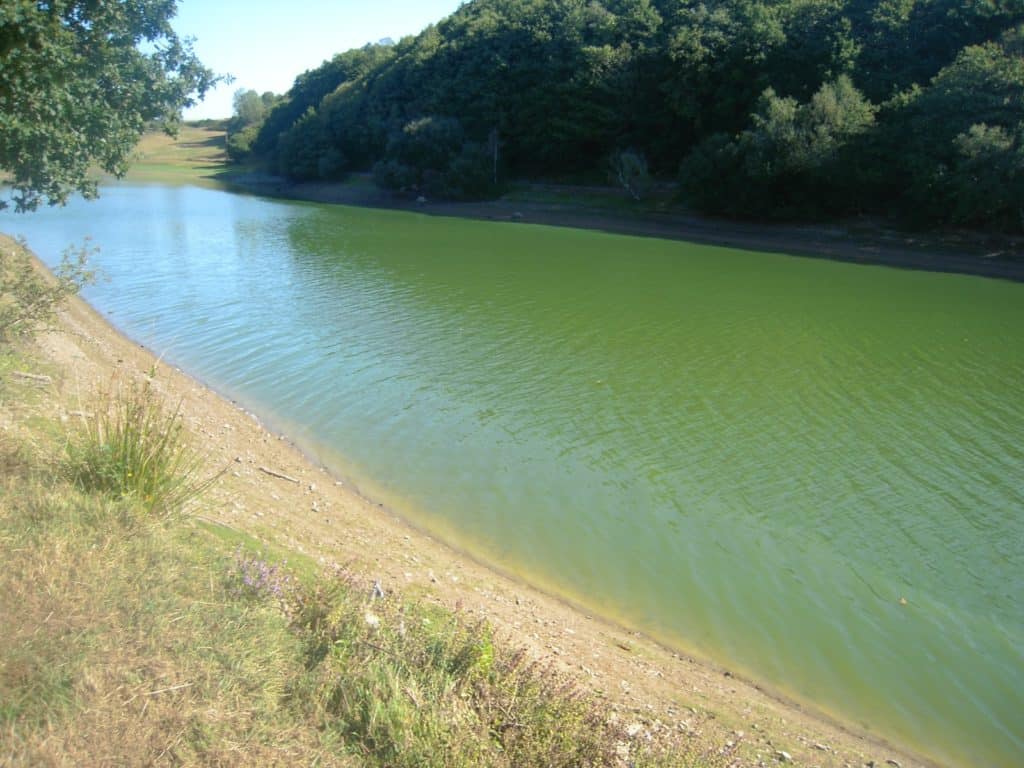
Animals that consume water with some types of algal blooms can die suddenly or suffer from weakness, staggering, or photosensitization depending on the type of toxin and how much they ingested.

Wild parsnip foliage can cause skin photosensitivity and rashes in both humans and horses.
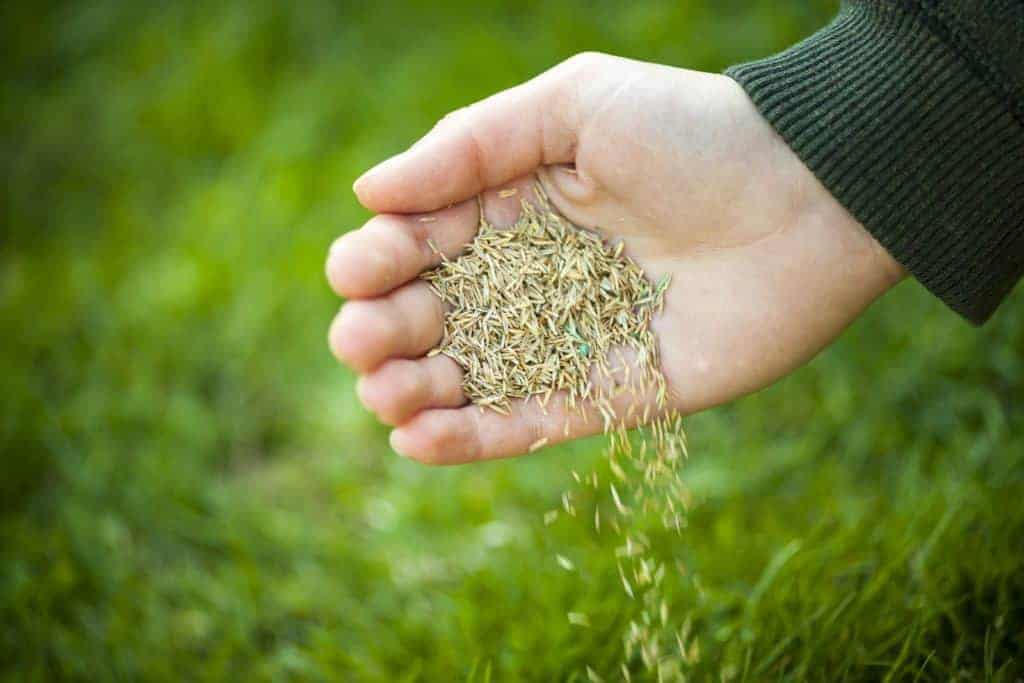
Overseeding horse pastures can help improve pasture production, forage quality, and ground cover. Here’s what to know.

Do all the supplements, concentrates, and forages on the market have you confused about what’s best to feed your horse? Learn what your horse really needs to eat from equine nutritionist and consultant, Dr. Clair Thunes.

Regulating body temperature becomes difficult for all horses when temperatures exceed 90 degrees, so avoid exercising them during very hot periods.

Equine metabolic syndrome and Cushing’s disease prevention start from birth and include regular veterinary exams and proper nutrition.

Horses and other animals rarely consume nimblewill, so the plant often persists in pastures.

Summer means hot, humid weather in many parts of the country. Learn what steps to take to ensure your horses stay cool and comfortable when temperatures rise.