The Vet Tech’s Role in Colic Surgery
Veterinary technicians make important contributions before, during, and after colic surgery. Here’s how they help veterinarians and surgeons during these potentially life-saving procedures.

Veterinary technicians make important contributions before, during, and after colic surgery. Here’s how they help veterinarians and surgeons during these potentially life-saving procedures.

Equine researchers have begun studying the concept of whole-body inflammation because of its links to a variety of health problems, including “leaky gut syndrome”; musculoskeletal injury risk; and equine metabolic syndrome, insulin resistance, and laminitis.

Bare pastures and potential hay shortages, coupled with winds blowing seeds from laden sycamore trees, have created the “perfect storm” to increase the risk of atypical myopathy in grazing horses in Britain, BEVA warns.

Researchers know that feeding horses ground endophyte-infected tall fescue results in palmar artery vasoconstriction, so scientists tested whether broodmares could experience decreased blood flow to the uterus, which could negatively impact their foals.

Researchers had hypothesized that haylage would produce a lower insulin response than hay, as the sugar in haylage is partially fermented and could result in a less-pronounced insulin response.

Our nutritionist looks at whether all-pellet diets are good for horses.

Researchers found that 58% of responding hospitals said they consult a nutritional adviser about feeding their patients and 21% reportedly feed all patients the same type of feed.

Young growing horses, late-gestation broodmares, and lactating mares have higher calcium requirements than the average mature horse.
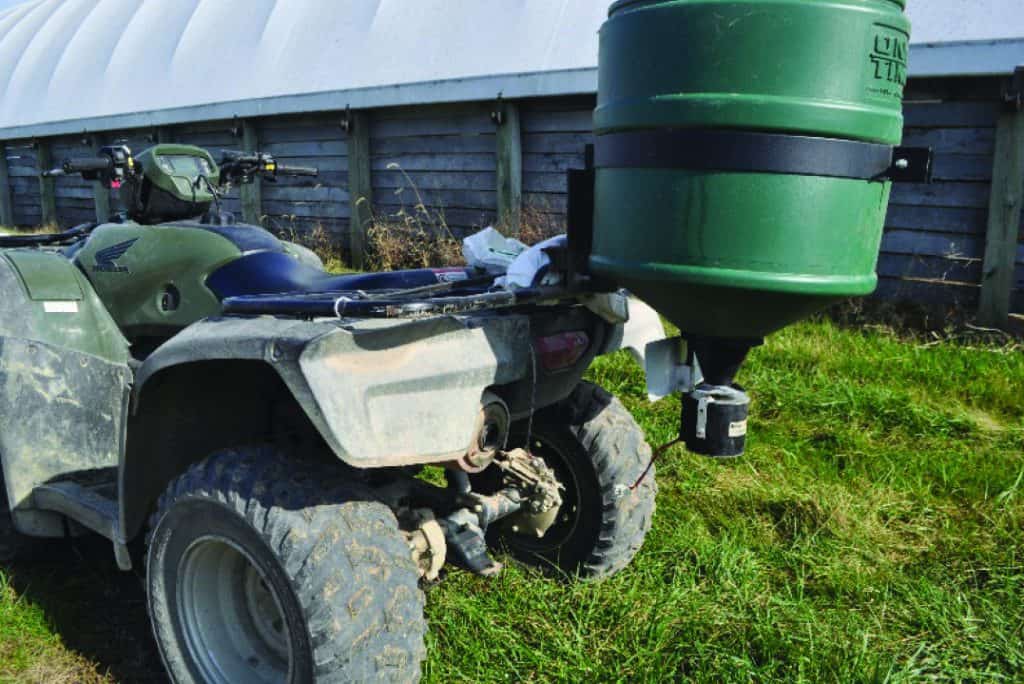
Fall is prime time to invest in pastures to protect them before and throughout the winter to ensure good grazing in the spring.
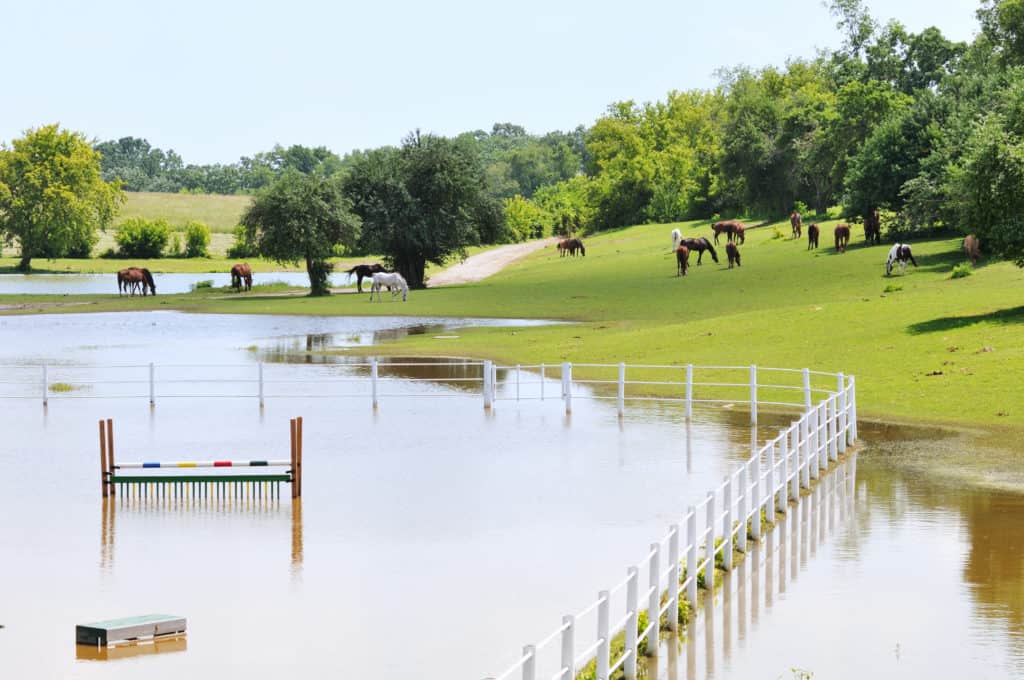
By taking the necessary precautions and having a disaster plan ready, you can ensure that you and your horse are prepared when a severe weather situation arises.

Find out which horses are at the highest risk for feed-related choke and what you can do to reduce that risk.

Evacuating horse owners aren’t the only ones that should prepare in advance. Here’s what farm owners opening their facilities to displaced horses should know.
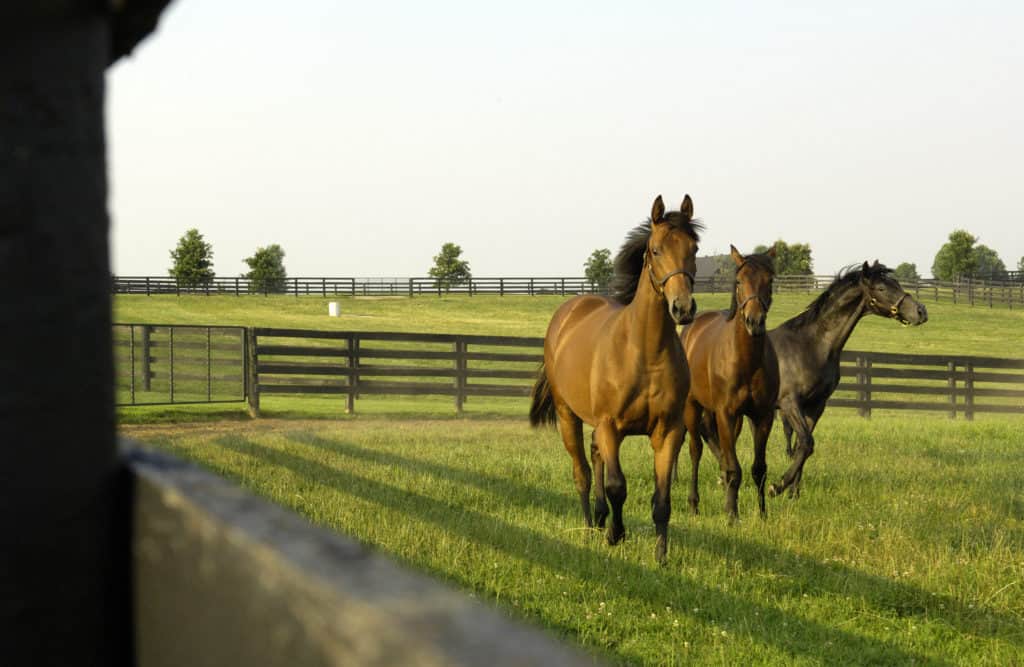
While dietary CLA didn’t appear to reduce inflammation in yearlings’ knees following induction, synovial fluid analysis showed signs of reduced cartilage degradation and improved cartilage regeneration compared to controls.
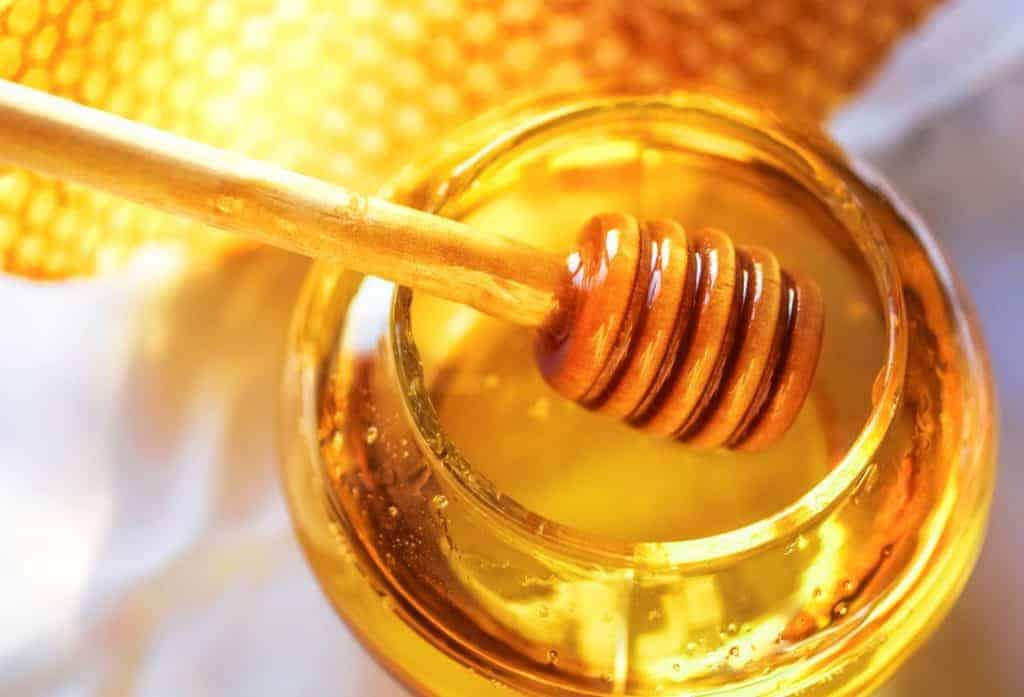
Including honey in the equine diet is common in some countries, but is it safe?

Switch your horse’s feed type or amount gradually to minimize his risk of digestive upset. Plan any nutrient-dense dietary changes carefully to avoid health problems such as colic or laminitis and to allow for maximum nutrient digestion.

When buying horse feed, you might face the choice between “textured” and “pelleted.” Our nutritionist explains the difference.