Virginiamycin for Equine Use to be Banned in U.K.
Virginiamycin is the active ingredient in a veterinary medicine used to prevent laminitis in horses.

Virginiamycin is the active ingredient in a veterinary medicine used to prevent laminitis in horses.
The stallion worked July 5 before developing colic and endotoxemia that night. He remains in intensive care.

Laminitis is likely the end product of an array of disease processes, one researcher says.
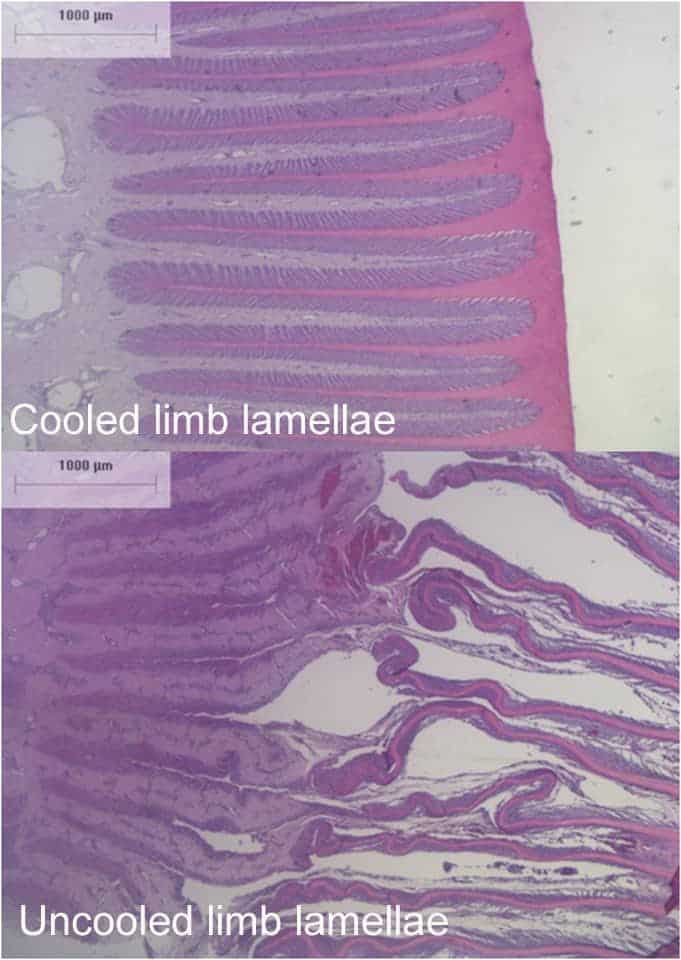
Cryotherapy prevented further lamellar damage in laminitic horses when used after lameness developed.
His owners elected euthanasia after the colt began showing laminitis signs in one of his uninjured legs.

Study horses treated with full-limb casts had a fivefold greater risk of developing laminitis.
Veterinarians can contribute by submitting first-time occurring cases of PEAL in horses they see in practice.
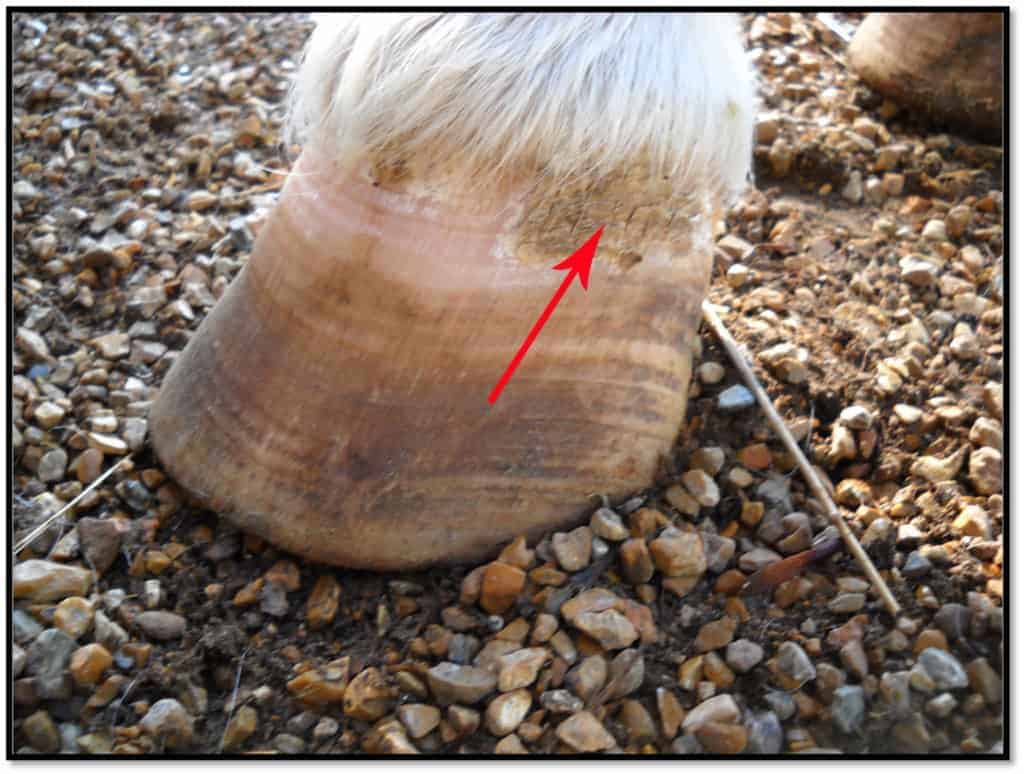
Picking up on subtle signs of hyperinsulinemia is one way veterinarians can try to halt laminitis onset.

Laminitis stemming from equine metabolic syndrome, Cushing’s, and other hormonal conditions is common.

Through a series of scientific, practical, and owner-oriented programs, presenters covered issues such as lameness detection, pain management, shoeing strategies, and treatment methods.
The summit will offer 68 hours of hoof care education focused around the theme “Zeroing in on Soundness.”
One veterinarian says designing a specific strategy that addresses all the needs of an affected foot is key.

Three veterinarians discuss the challenges of properly diagnosing and treating/managing horses afflicted with equine Cushing’s disease, equine metabolic syndrome, and associated laminitis.

Prognoses for these cases are often poor, but foot casts might improve survival rates if applied early.
Hospitalized horses are at an increased risk for developing laminitis as a complication of injury or illness.

Farriers can help devise a hoof care plan to helps a performance horse return to work as soon as possible.