Osteochondritis Dissecans: A Common but Complex Disease
Diet, exercise, biomechanics, and genetics all play a role in disease development, researchers say.

Diet, exercise, biomechanics, and genetics all play a role in disease development, researchers say.
Asthmatic horses’ clinical signs worsened when temperature and humidity increased suddenly, researchers found.

Peat might not be pretty, but study results suggest it might be better for your horse’s health than wood shavings.

Neil Mittelman, DVM, and Holly Stewart, VMD, will present a joint lecture on March 1 at the New Bolton Center.

Researchers found low detection rates in nasal secretions from horses with fever and signs of respiratory disease.

Researchers examined bone and cartilage lesions on MRI and micro-CT to better understand their distribution and type.

Recent study results suggest that shock wave can help horses return to function faster than surgery or rest alone.

Ultrasound and x ray exams can help identify horses potentially at-risk for injury so they can be managed appropriately.

Many foals born with beating heart and pulse, but who fail to breathe, can be revived via CPR. Here’s what to remember.
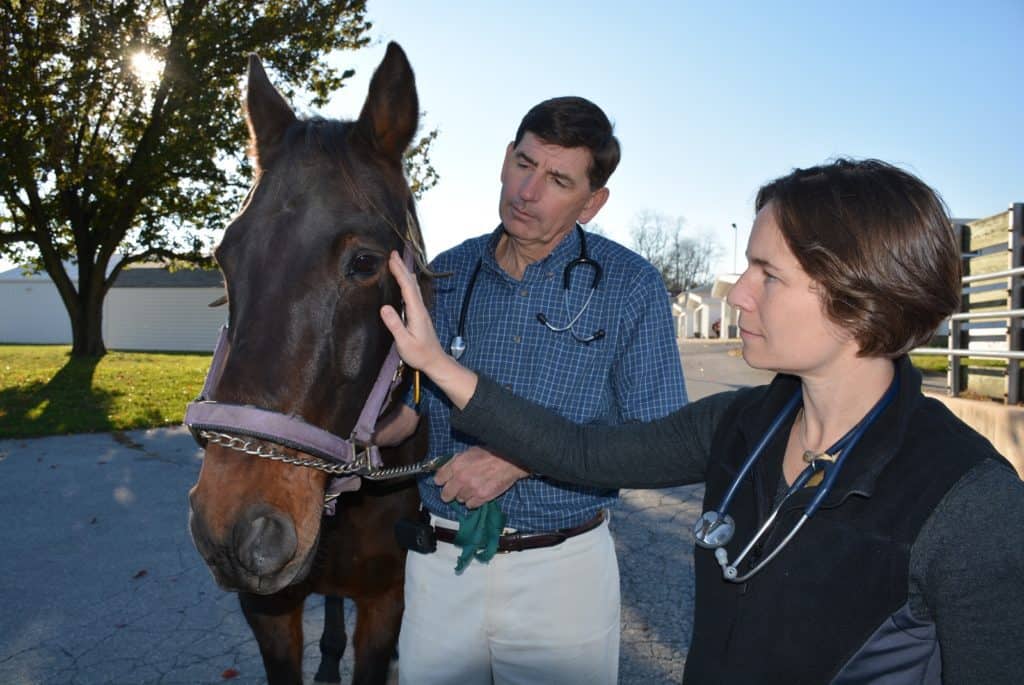
A neurology specialist reviews the confusing landscape of laboratory diagnostics for neurologic disease in live horses.

Learn what GI diseases to watch for, how veterinarians detect them, and how to avoid them in the first place.

For years veterinarians’ options were limited, but new products are helping them control horses’ pain better than ever.

Though the overall prognosis isn’t great, some foals with incomplete ossification can race if managed properly.

Horses treated with regenerative therapy healed eight-and-a-half months faster than those undergoing surgery alone.

Recaps of studies on colic outcomes, treatments for joint problems, respiratory surgery, and more.
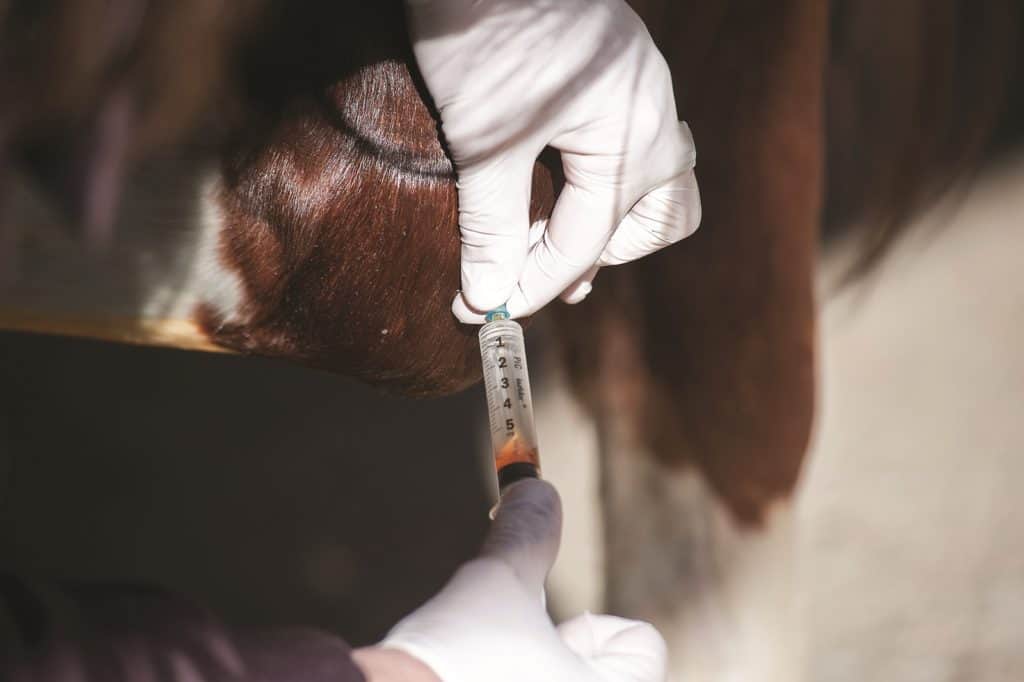
Using one stall-side SAA test to evaluate synovial fluids can be a useful adjunct to diagnosis, researchers found.