Managing Asthma in Horses
Two experts discuss the ins and outs of managing horses with asthma in this Ask TheHorse Live episode. Sponsored by Kentucky Performance Products.

Two experts discuss the ins and outs of managing horses with asthma in this Ask TheHorse Live episode. Sponsored by Kentucky Performance Products.

Researchers identified regional differences in fungi found in asthmatic horses’ airways. Here’s how you can manage your horse’s risk.
Commonly known as “heaves,” equine asthma is a serious condition that requires proper diagnosis, management, and often treatment. Sponsored by Kentucky Performance Products.

Take a few simple precautions and management approaches to help your horse weather winter safely.

Equine asthma is an umbrella term used to describe chronic, noninfectious airway inflammation in horses. Here’s what experts know.

One expert explains how exposure to dust can negatively affect equine respiratory health and how owners can reduce their horses’ risk.
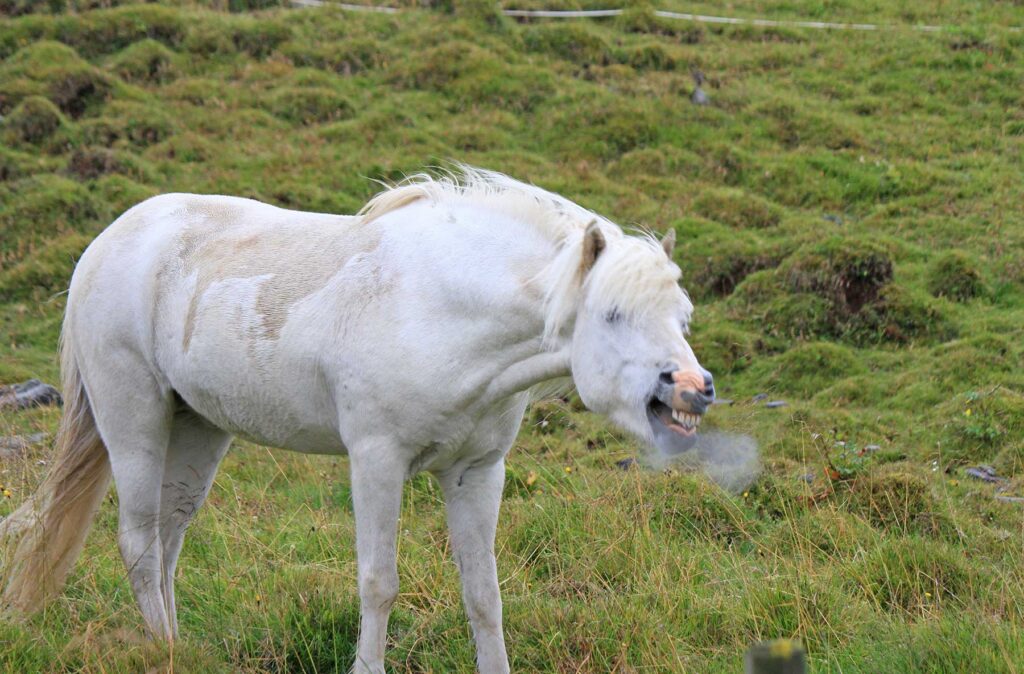
Nasal discharge, coughing, and changes in breathing rate or effort can point to equine respiratory disease. Learn how to spot early warning signs.

Good barn ventilation means air exchange, not just airflow. Open, airy stalls and well-timed chores help reduce dust and improve air quality.
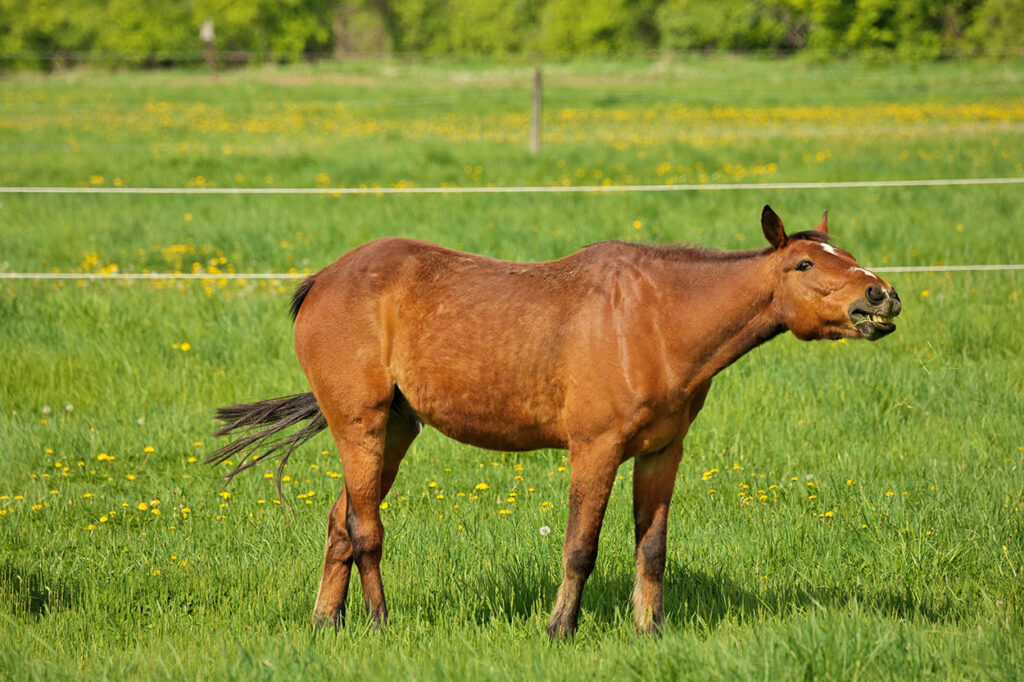
Vaccination, biosecurity, and sound barn management practices reduce the risk of equine respiratory disease and support faster recovery.

Correct diagnosis of equine asthma is crucial to finding a treatment that works for your horse.

Respiratory viruses affect more horses than you might think, raising important questions for veterinarians and owners about diagnosis, management, and performance.

Even subtle breathing issues can cause low oxygen levels, early fatigue, and poor performance in equine athletes.

Researchers found ciclesonide is effective when treating young racehorses with moderate equine asthma over a short period of time.

Testing asymptomatic horses for EHV-1 at equestrian events is crucial for early detection and preventing potential outbreaks.

A modified borescope might be a more accessible way for equine veterinarians to perform endoscopic exams in working donkeys.

Researchers discovered that a significant percentage of cart donkeys might have reduced tracheal function, while pack donkeys do not.