How Pulmonary Disease Impacts Equine Performance
Understanding how pulmonary disease impacts performance can help veterinarians diagnose and treat issues that could be impairing horses’ athleticism.

Understanding how pulmonary disease impacts performance can help veterinarians diagnose and treat issues that could be impairing horses’ athleticism.

The ACVIM published a new consensus statement on treating, controlling, and preventing strangles in horses.

Both endoscopic techniques provide invaluable information and, in most cases, should be used together, one practitioner says.
Lecture topics will include parasitology, gastric ulcers, fescue management, respiratory conditions, and more.

This racecard data will provide transparency for bettors and help generate data for equine health and welfare research.

Surgeon Dr. Brett Woodie covers ways vets can identify the causes of upper-respiratory issues in athletic horses.
Dr. Janet Beeler-Marfisi is studying better ways to diagnose equine lung disease using cell markers and flow cytometry.
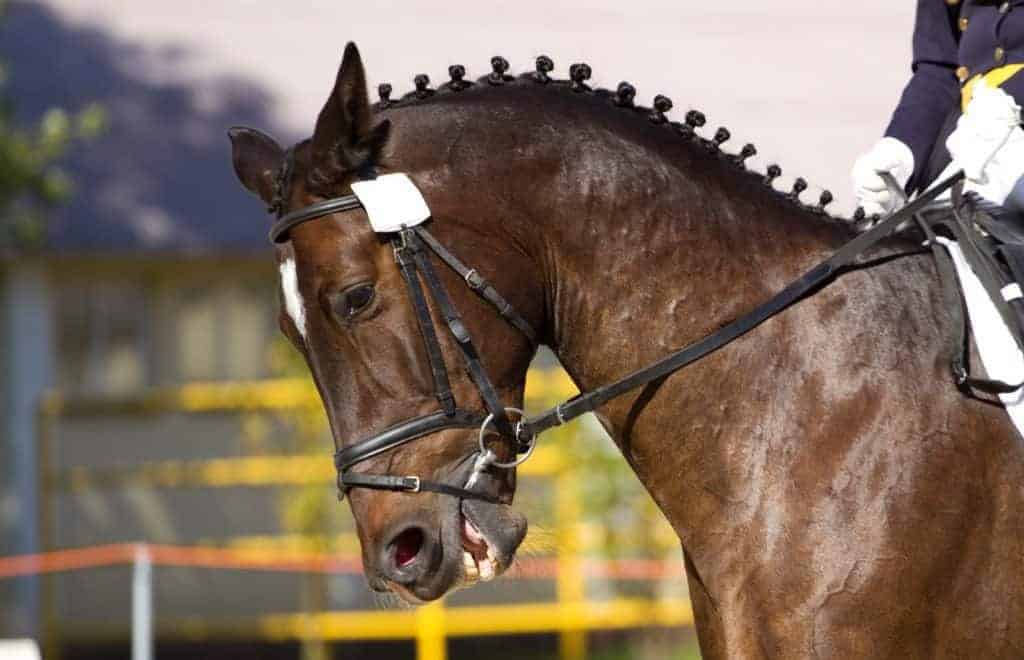
Mouth-gaping caused by bit pain could make it difficult for horses to breathe, researchers say.

One veterinarian describes how she handles these dangerous bites in horses.

Horses’ oxygen consumption and cardiac output decreased by an average of 24% and 9%, respectively, when going downhill.

A specific strain of S. zooepidemicus was likely behind the horses’ coughing and nasal discharge.

Scientists say Friesians benefit from specific exercise regimens and warmups based on their anaerobic threshold.

Learn how veterinarians treated an 18-month-old Andalusian colt that suffered nasal collapse after a training accident.
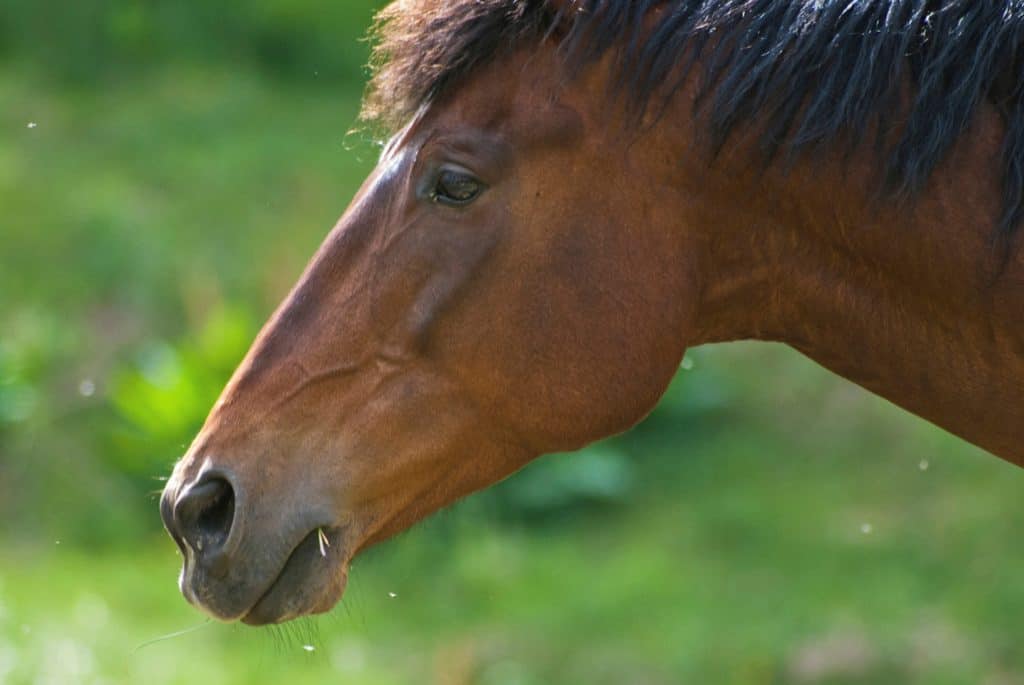
Of the 268 respondents, 93 (35%) said their horses suffer from seasonal respiratory allergies.

Horses with noninfectious respiratory disease had much lower SAA concentrations than horses with infectious disease.

Dusty arenas could be compromising your respiratory health, right along with your horse’s.