Does Low-Starch Horse Feed Equal Low-Calorie?
Find out why a horse might gain weight when switched to a feed marketed as “low-starch.”

Find out why a horse might gain weight when switched to a feed marketed as “low-starch.”
A five-step approach makes it easier for owners to remember which basic health and welfare aspects to assess.

Find videos on fear in horses, body condition scoring, hoof adaptability, sweet itch, and more.
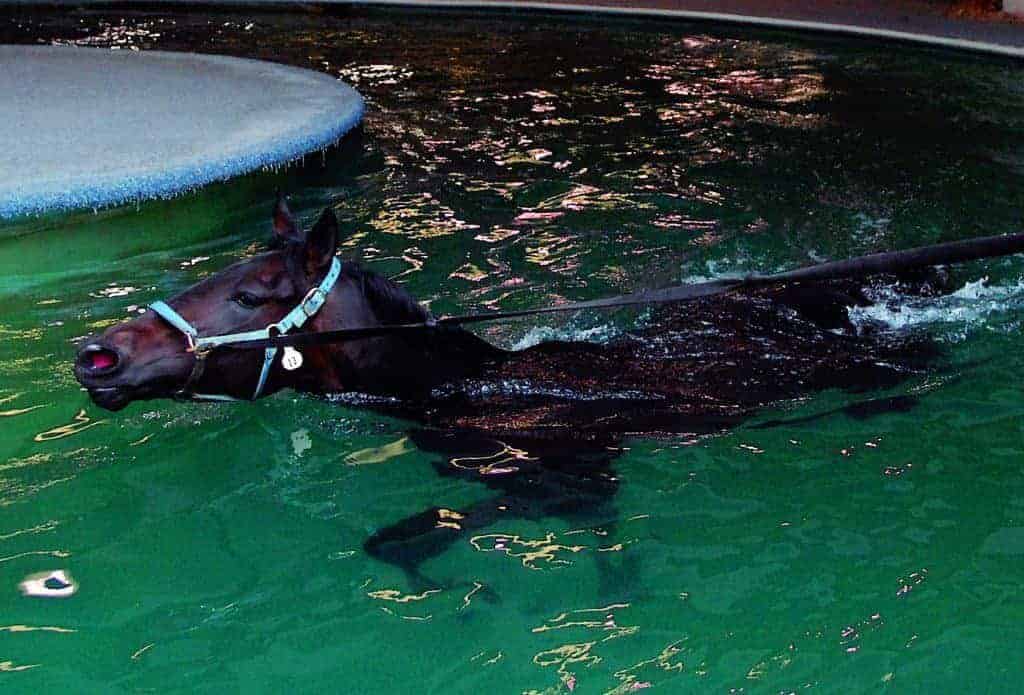
Low-intensity swimming could help maintain glucose and insulin levels without putting excess strain on horses’ limbs.
Lean horses actually spent more time than obese ones eating, but both groups consume roughly the same amount of hay.

Ensure you’re providing your senior horse with the support he needs to stay healthy all winter long.

Study results suggest caretakers spend nearly $435 more annually managing obese equids compared to their nonobese ones.

Besides body condition scoring, how can you tell if your horse is getting enough nutrition? Dr. Clair Thunes explains.

Oil? Rice bran or flax seeds? Fat-fortified feed? Learn how to pick the best option for horses that are hard-keepers.

A nutritionist can tell you if you’re over- or underfeeding or supplementing and address other equine diet concerns.
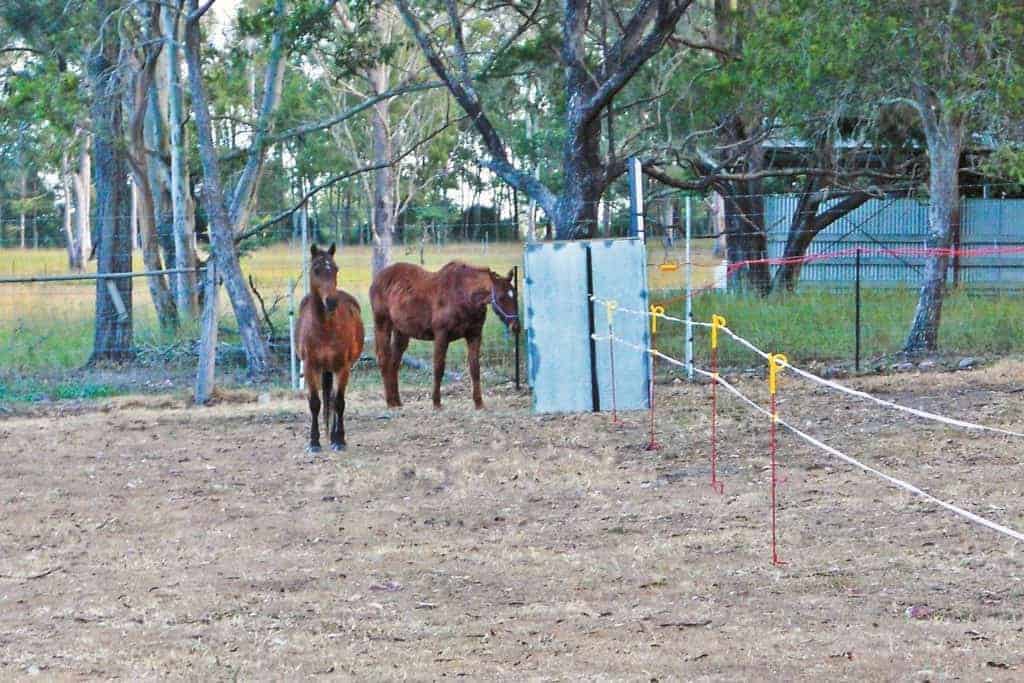
Researchers found that some ponies are willing to exercise themselves … as long as there’s food involved.

Horses voluntarily reduced their hay intake (and, thus, calorie consumption) when offered teff compared to ryegrass.

Horses’ oxygen consumption and cardiac output decreased by an average of 24% and 9%, respectively, when going downhill.

Restoring a neglected horse’s health can be rewarding, but also complicated, time-consuming, and sometimes unsuccessful.

Researchers say this seems to confirm lore that some horse breeds are more susceptible to EMS than others.

Although horses spent more time walking when muzzled, they also more than doubled the time they spent standing.