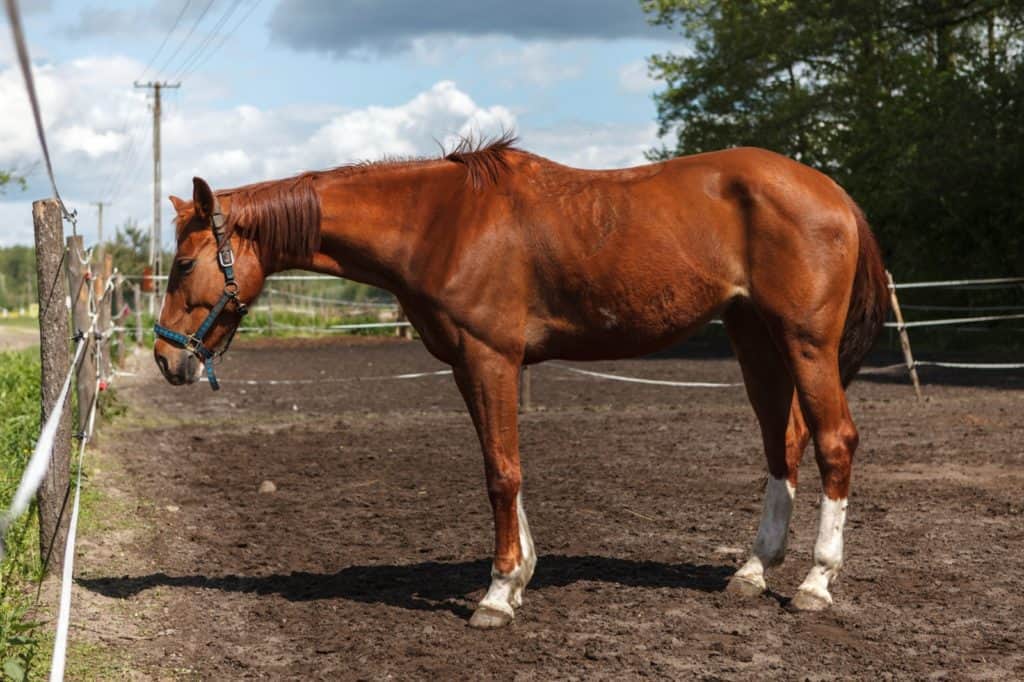
Clinical Signs of Internal Parasites in Horses
Dr. Martin Nielsen gives a basic overview of health issues that could indicate your horse has “worms.”

Dr. Martin Nielsen gives a basic overview of health issues that could indicate your horse has “worms.”

The system measures fat deposits near the stomach and small intestine, around the heart, neck crest, and rump.

Laminitis risk is the No. 1 reason we worry about equine metabolic conditions such as EMS and PPID when feeding horses.

Of the 579 respondents, 443 (77%) said they use drylots to help manage their horses’ weight.

An equine nutritionist offers tips for reducing your horse’s pasture intake with a grazing muzzle.
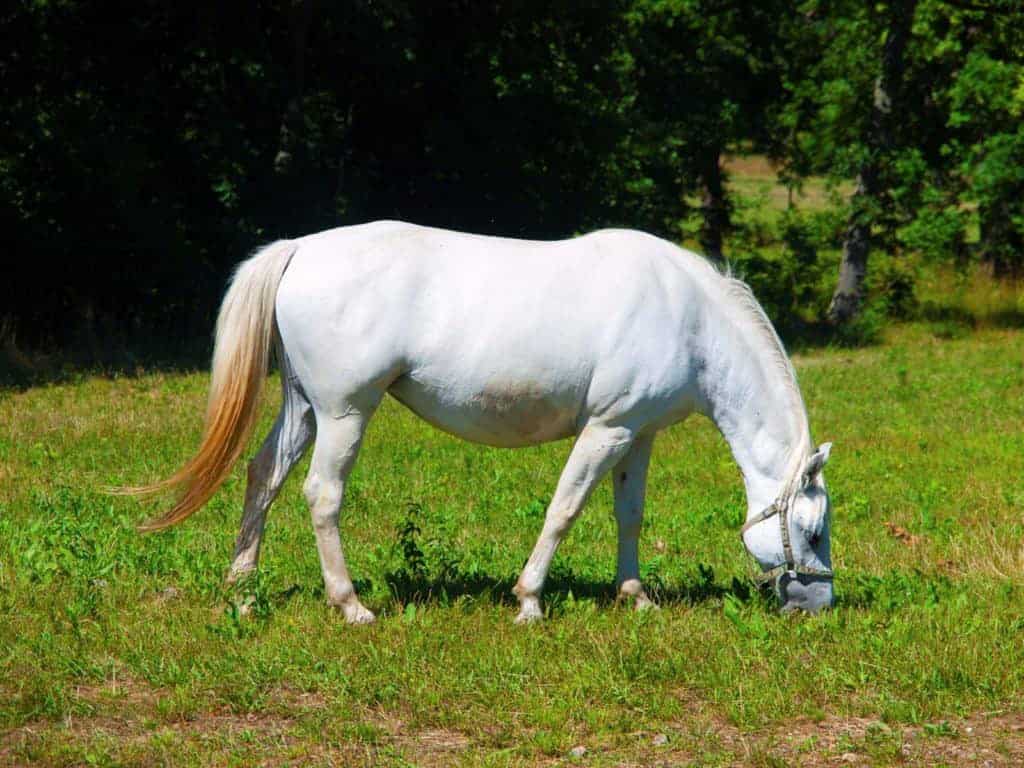
Researchers found that obesity appears to negatively impact mares’ follicles and oocytes and, thus, their fertility.

Weight gain is a common sign of EMS. But what other indicators should horse owners watch for?
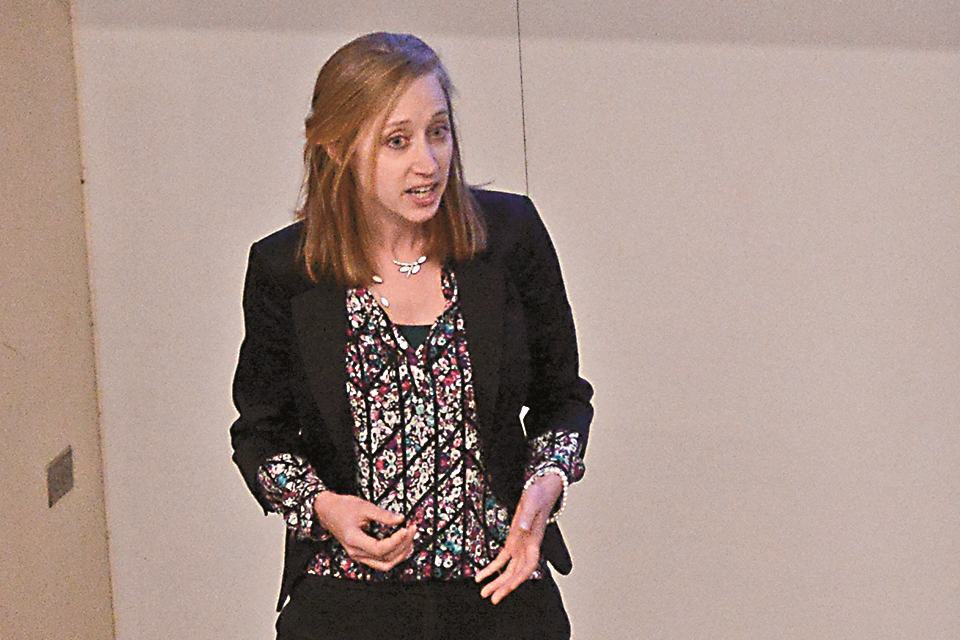
Sarah Elzinga, MS, is studying inflammation and insulin dysregulation in the horse.
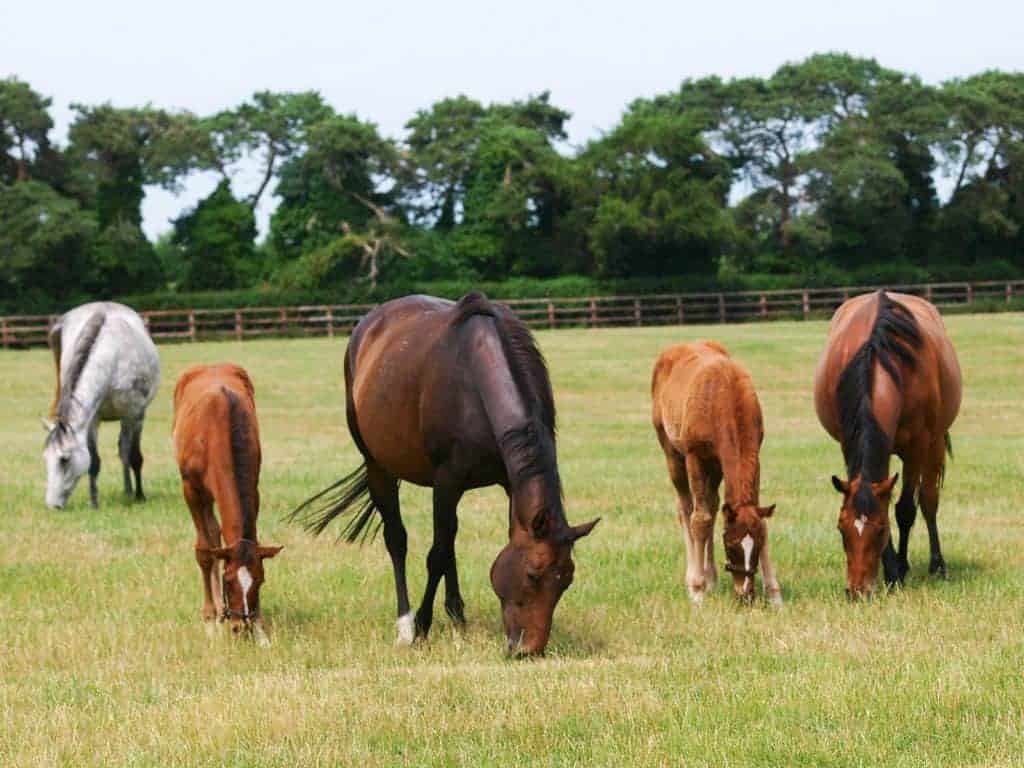
Overweight mares often produce heavier foals, which studies have shown are at-risk for musculoskeletal disorders.
Of the 576 respondents, 277 (48%) said their horses are easy keepers and gain weight easily.

Equine metabolic syndrome can cause obesity, insulin resistance, and laminitis. Find out how to care for your EMS horse during our live event.
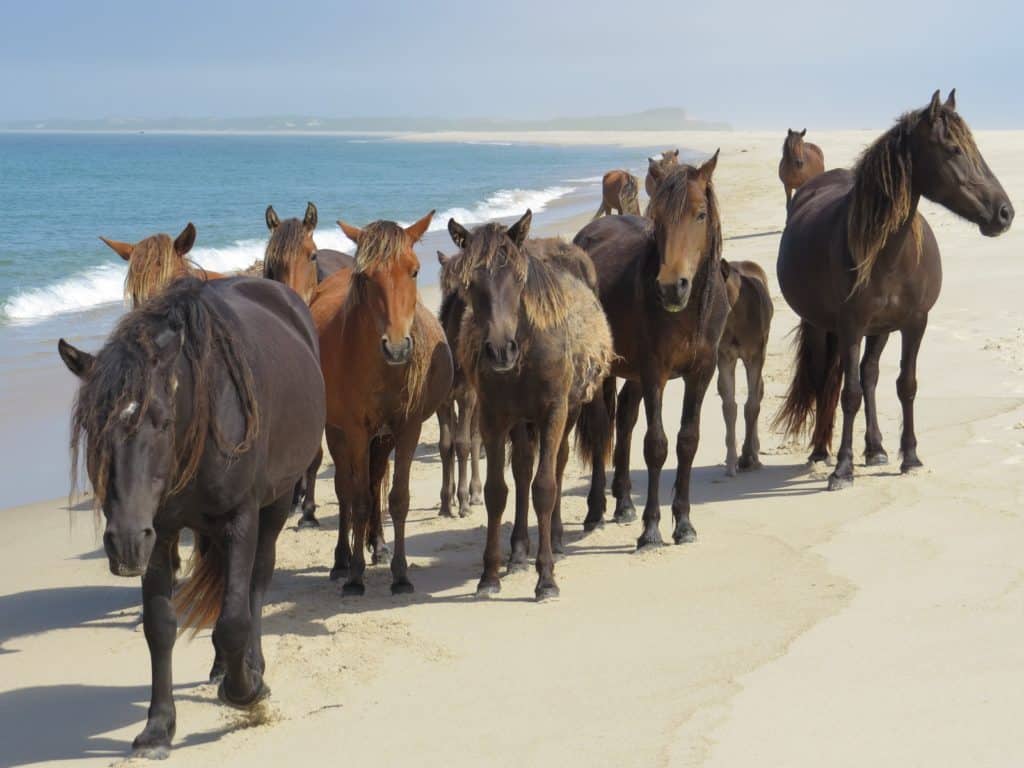
Overall horses coped well with parasites. But the heavier the parasite load, the lower the horse’s body condition score.

Performance horses need customized diets to meet their energy requirements, as hay alone likely won’t suffice.

Presentation topics include feeding through a horse’s life cycle, evaluating body condition, nutrition myths, and more.

Feeding the correct type of calories wisely can help promote weight gain and improved body condition.

With a rapidly growing foal on board, late gestation can pose nutritional challenges for pregnant mares.