Stress Remodeling: Is Pasture Rest the Best Treatment?
Pasture rest could be the best treatment option for horses diagnosed with lower cannon bone stress remodeling.

Pasture rest could be the best treatment option for horses diagnosed with lower cannon bone stress remodeling.
Find out how the organizing committee of one of the largest Quarter Horse shows in the nation is handling

Tetanus is a very serious disease that kills up to 80% of horses it infects.

The latest therapies for injured tendons and ligaments focus on rebuilding tissue to its original strength.

Equine herpesvirus-1 is a highly contagious infection that can cause respiratory disease in weanlings and young horses, abortion in pregnant mares, and neurologic disease in adult horses. Herpesvirus is widespread in the equine population.
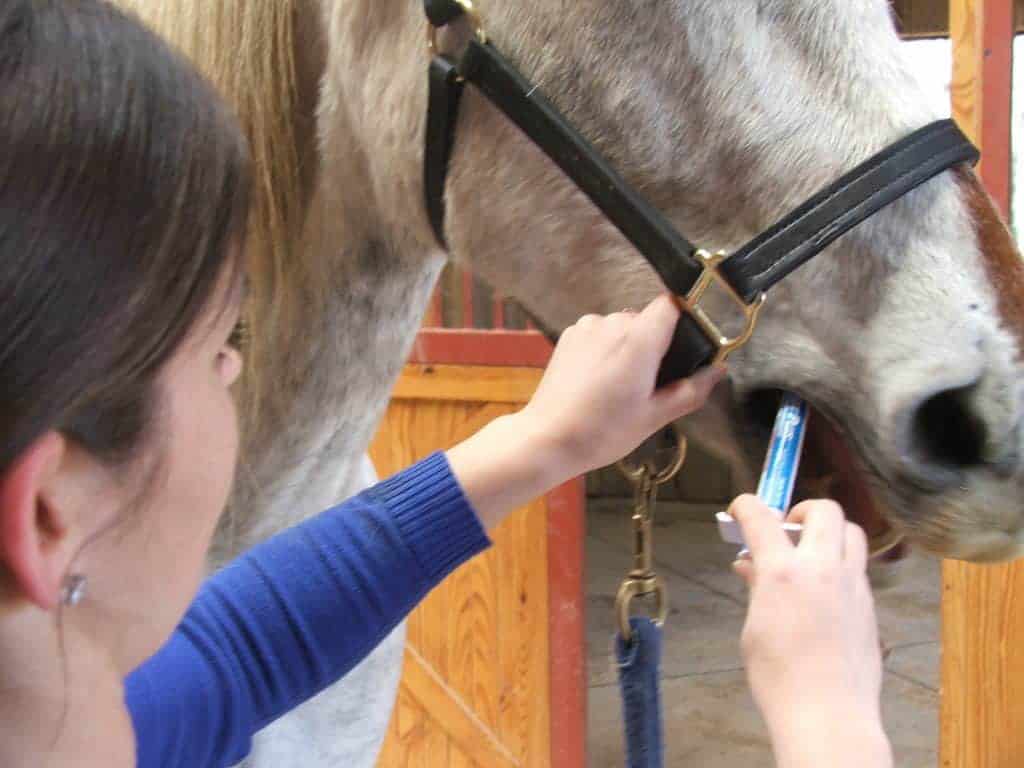
Intensive use of anthelmintics has fueled parasite resistance to these drugs; here’s how to combat resistance.

Compounded or customized medications fulfill a critically important role in horse health care; however, these tailored medications aren’t always what compounders claim them to be, and some are illegal.

How you manage, feed, and care for your young horse can affect his future performance.
A high-performance horse’s body needs fuel to run efficiently and at its optimal level.

Learn how weather, horse age, stocking density, and practices such as dragging and rotating pastures can affect your horse’s worm burden. Dr. Lori Bidwell also gives management tips for minimizing worm populations in your horses.
Learn about legal and ethical issues with compounded medications for horses in a free TheHorse.com webinar!

Learn about how your horse’s body adapts to exercise and how to optimize his fitness.
What can owners do to enhance their horses’ response to vaccination, enhance vaccine efficacy, and better
“Equine Herpesvirus-1 (EHV-1) Outbreak: What Horse Owners Need to Know” is now archived and available to view
As rain continues across the state, insects might find their way into people’s waterlogged backyards, homes,
The Kentucky Equine Drug Research Council (KEDRC), citing its statutory mission, will be involved in the horse