Prosthetic Limbs for Horses: A Closer Look
Horses have traditionally been considered obligate four-legged animals; however, the dogma is changing.

Horses have traditionally been considered obligate four-legged animals; however, the dogma is changing.
A horse’s body temperature can indicate everything from an internal ailment (such as colic) to an infectious disease to hypothermia. Or it can simply confirm that a horse is healthy and ready for action. While most owners and veterinarians step to

Horse owners must be able to acknowledge that a horse is overweight and needs to drop a few pounds.

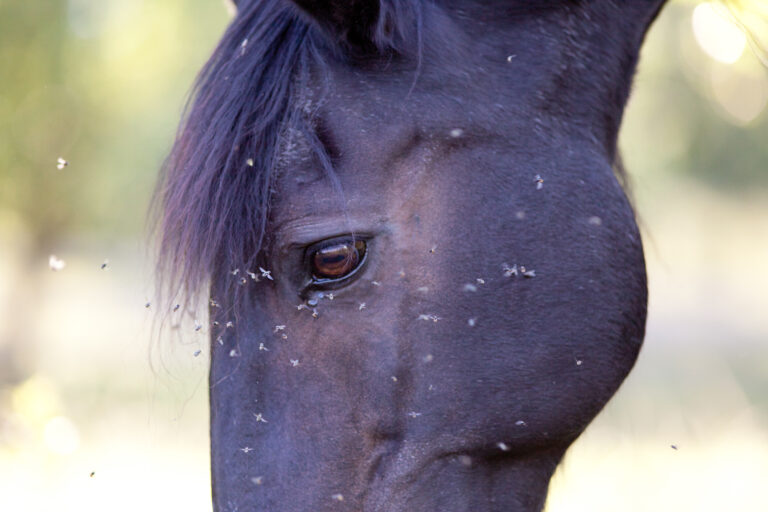
Regular application of a topical ointment might help horses suffering from insect bite hypersensitivity.

The starry sky pattern is an unusual and dramatic ultrasonographic appearance of the equine liver.

Learn how vaccines work, which ones your horse should have, and reactions to watch out for with Dr. Dale Brown of Rood & Riddle Equine Hospital in Lexington, Ky.
The National Equine Resource Network’s (NERN) low-cost gelding clinic program in California has reduced the number of stallions in Huntington Beach and Salinas by 25, according to Shirley Puga, head of the nonprofit organization founded last year to
The immune system allows humans and animals including horses to survive in a complex world filled with harmful bacteria and viruses that can use our bodies for nourishment and reproduce within us. The immune system protects us from those organisms
The University of California, Davis, annual equine medicine symposium is scheduled for April 9. This year’s topic is “The Golden Years: Helping Your Horse Mature Gracefully,” and it will cover everything you ever wanted to know about helping your
Extracorporeal shock wave therapy is an increasingly popular treatment method for equine injuries. During a presentation at the 2011 Western Veterinary Conference, held Feb. 20-24 in Las Vegas, Nev., Scott McClure, DVM, PhD, Dipl. ACVS, of Iowa

Regenerative medicine describes a group of techniques that uses the body’s natural ability to heal. Platelet-rich plasma is a regenerative therapy that can be used to treat horses with tendon and ligament injuries, arthritis, and certain wounds.

By providing swallows with nest boxes, you can help their populations increase and make a huge dent in the numbers of insects around your property this summer.
Veterinary students are often taught that dogs are three-legged animals with a spare. It might be surprising to some that the same adage is a suitable description for horses, too. “In horses where conditions exist that prevent the use of traditional
More than 540 readers of TheHorse.com responded to a poll asking, “How do you ‘spring clean’ your farm?”
A variety of equine conditions can present with clinical signs that include colic pain, fever, decreased appetite, and weight loss. Similar signs occur with abdominal abscesses, making them challenging to diagnose. At the 2010 American Association of
The Communication Alliance to Network Thoroughbred Ex-Racehorses (CANTER), which helps find homes for retired racehorses, has established a “Herd Health Report” in an effort to provide transparency for donors and the horse buying public. According to