TheHorse.com’s Top Podcasts of 2017
Listen to audio features on equine learning, behavior, dentistry, metabolic syndrome, parasites, and more.

Listen to audio features on equine learning, behavior, dentistry, metabolic syndrome, parasites, and more.

I used a senior equine feed to help my hard keeper gain weight. Now, should I switch him to a low-NSC product?

Find out why a horse might gain weight when switched to a feed marketed as “low-starch.”
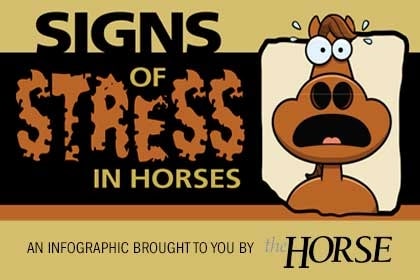
Find information on stress in horses, skin conditions, conditioning, metabolic syndrome, serum amyloid A, and more.

Learn about horse coat colors, skin conditions, pasture weeds, parasites, horse properties, and more.
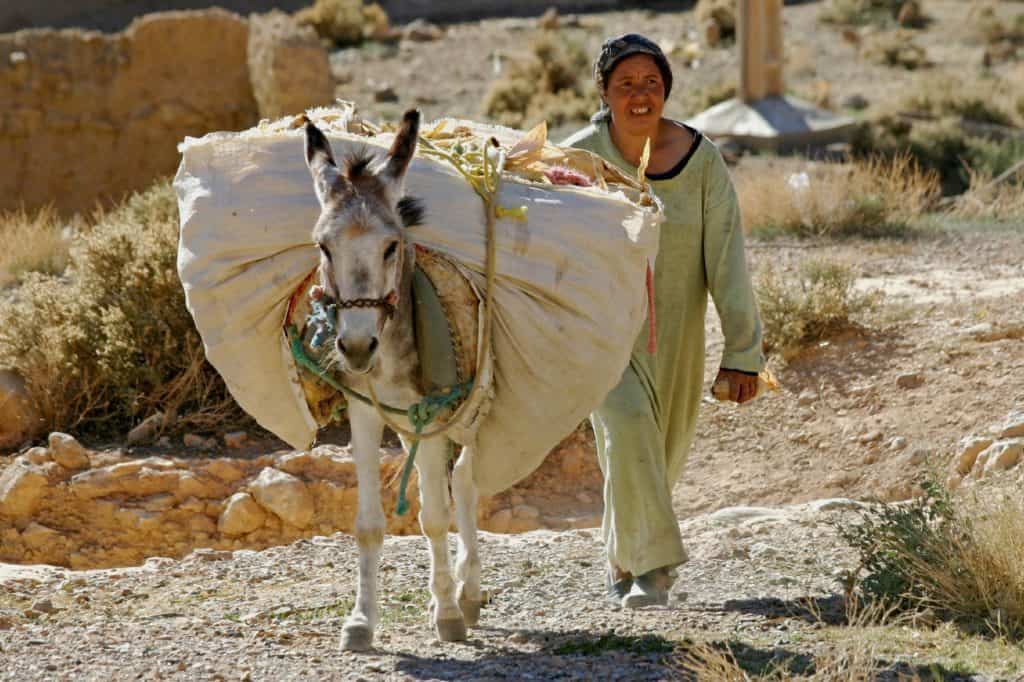
A five-step approach makes it easier for owners to remember which basic health and welfare aspects to assess.

Drs. Torri Maxwell and Duncan Peters offer insight into the role pharmaceuticals can play in managing navicular pain.

Find videos on fear in horses, body condition scoring, hoof adaptability, sweet itch, and more.

Find reports and forms on horse identification, scratches, supplements, harmonious housing, senior horses, and more.
Lecture topics will include parasitology, gastric ulcers, fescue management, respiratory conditions, and more.

Take a look back at the lives and work of veterinary parasitologists Dr. Eugene T. Lyons and Sharon C. Tolliver.

The Hong Kong Jockey Club’s Conghua Training Centre, on the Chinese mainland, is slated to open in 2018.

A veterinarian offers advice the steps to take if your horse could have been exposed to an infectious disease.
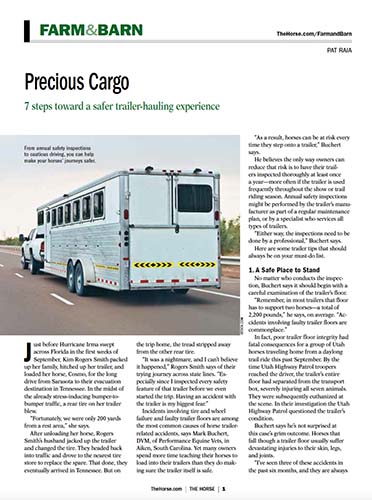
From annual safety inspections to cautious driving, you can help make your horses’ journey safer.
The federation also announced a new prohibited substance case involving another endurance horse and rider.
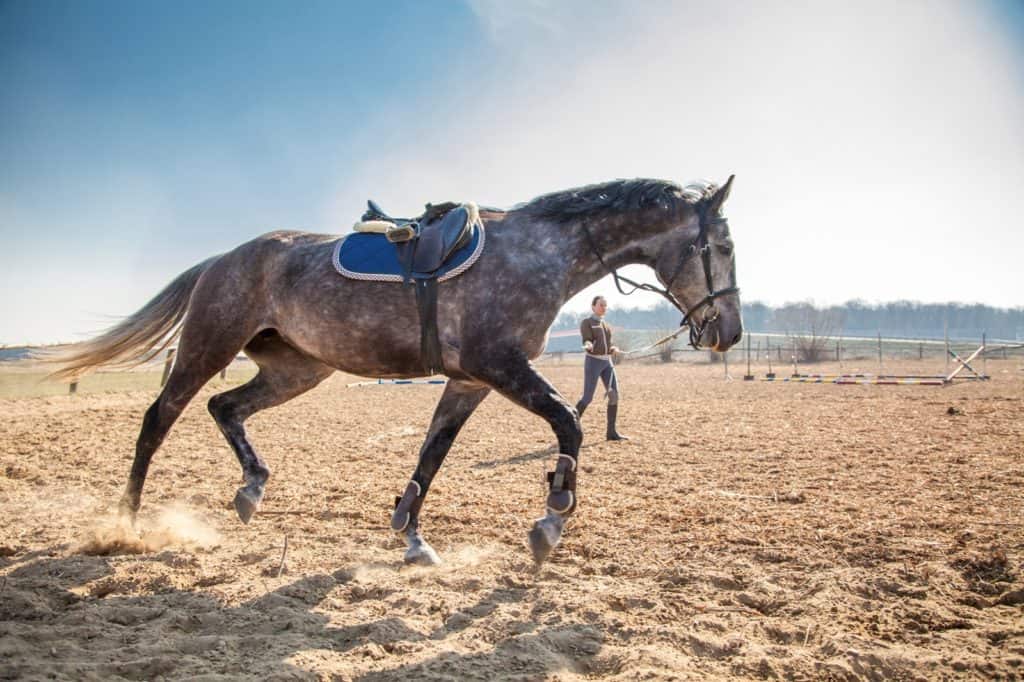
Of the 452 respondents, 367 (81%) said groundwork is a regular part of their routine with their horses.