Equine End-of-Life Session Scheduled for BEVA Congress
The lectures will review what vets know and how to make this final act as stress-free as possible for all involved.

The lectures will review what vets know and how to make this final act as stress-free as possible for all involved.

A vet reviews the different lesions practitioners might encounter during a colic and whether they warrant referral.

The collaborative work of the owner, farrier, and veterinarian can dictate a horse’s soundness and overall health.

Vaccines have proven to offer horses protection against mosquito-borne diseases, including WNV and EEE.

Owners now have the option of purchasing insurance policies to cover some of companion horses’ medical expenses.

Dr. Josie Traub-Dargatz shares lessons learned from equine disease outbreaks and tactics for avoiding infection spread.

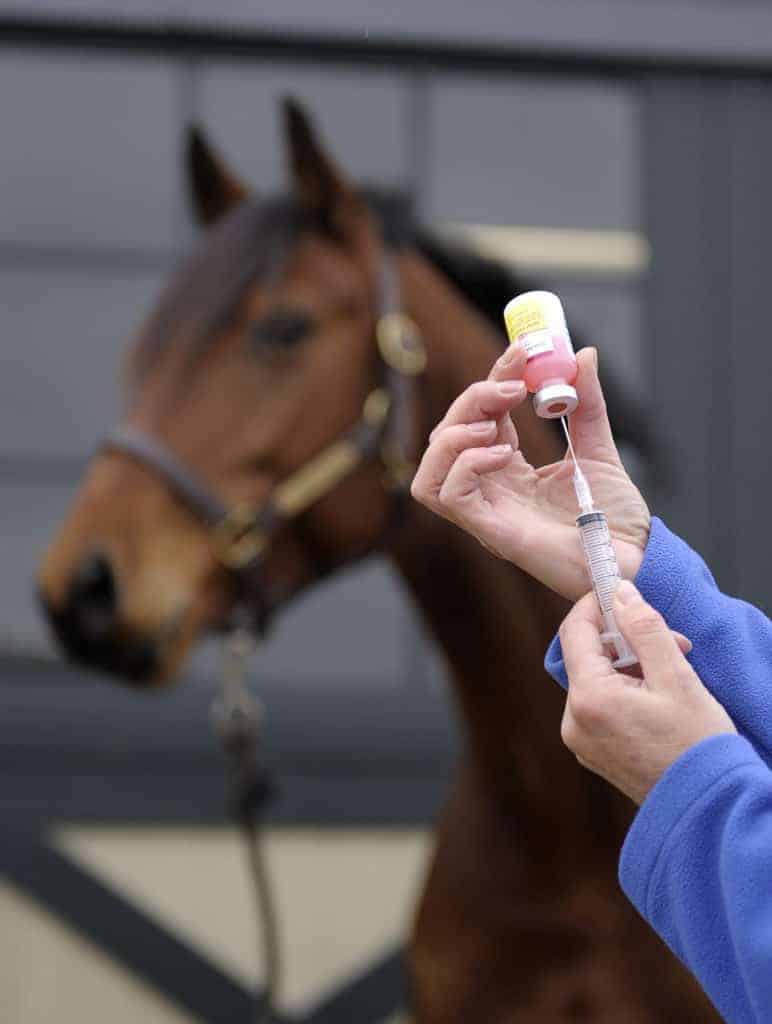
The AAEP recognizes the WNV vaccine as a core vaccine and recommends horses receive at least one dose annually.

The automatic test’s short run time enables a high throughput with minimal labor requirements, researchers say.

The AAEP recognizes the WNV vaccine as a core vaccine and recommends horses receive at least one dose annually.

Learn when to deworm horses, why fecal egg counts are recommended, and more.
West Nile virus was detected in mosquitoes in Salt Lake County. Officials are encouraging owners to vaccinate horses.

Of the so-called human-generated injuries, 63% were considered preventable by riding safety experts.

The board also approved a ban on injectable magnesium sulfate and will assess pergolide use for PPID horses.

Researchers tested a vaccine created with “reverse genetics” with positive results.

The test is designed to detect evidence of tapeworms in horses’ saliva and help guide dewormings.