2012 Equine WNV, EEE Case Totals Steady
At the most recent update, APHIS reported 609 equine WNV cases nationwide and 206 cases of equine EEE in 2012.

At the most recent update, APHIS reported 609 equine WNV cases nationwide and 206 cases of equine EEE in 2012.

One of the most alarming infectious diseases in the equine industry is strangles.
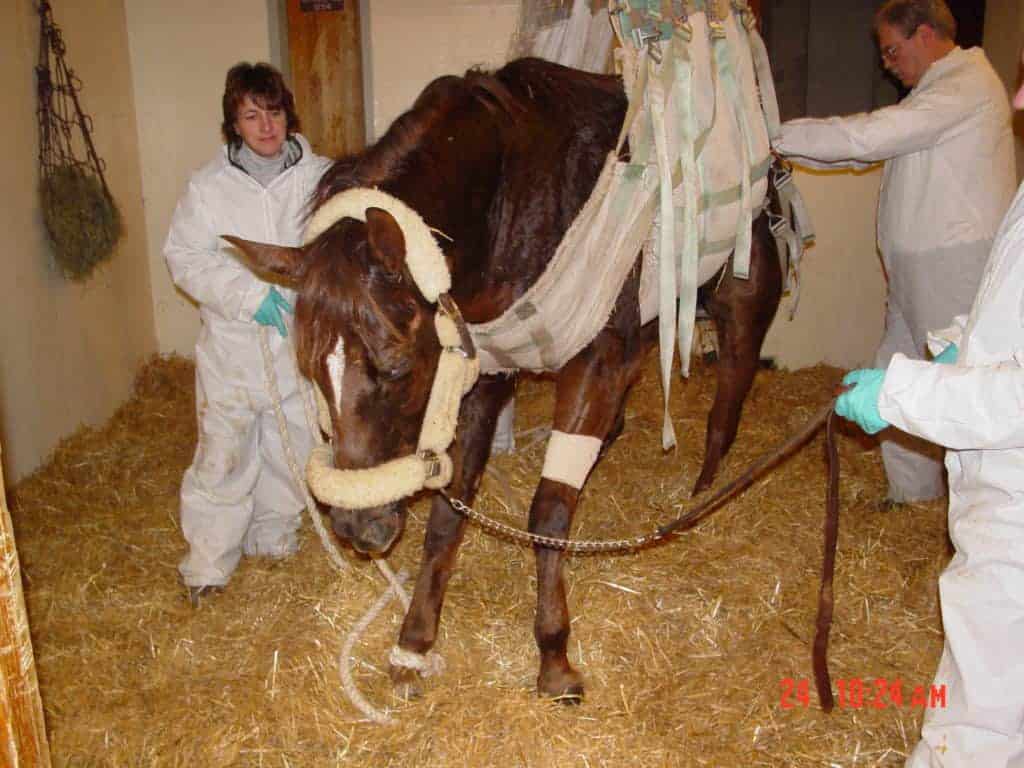
One veterinarian discussed disease characteristics and why it might be on the rise at a recent conference.
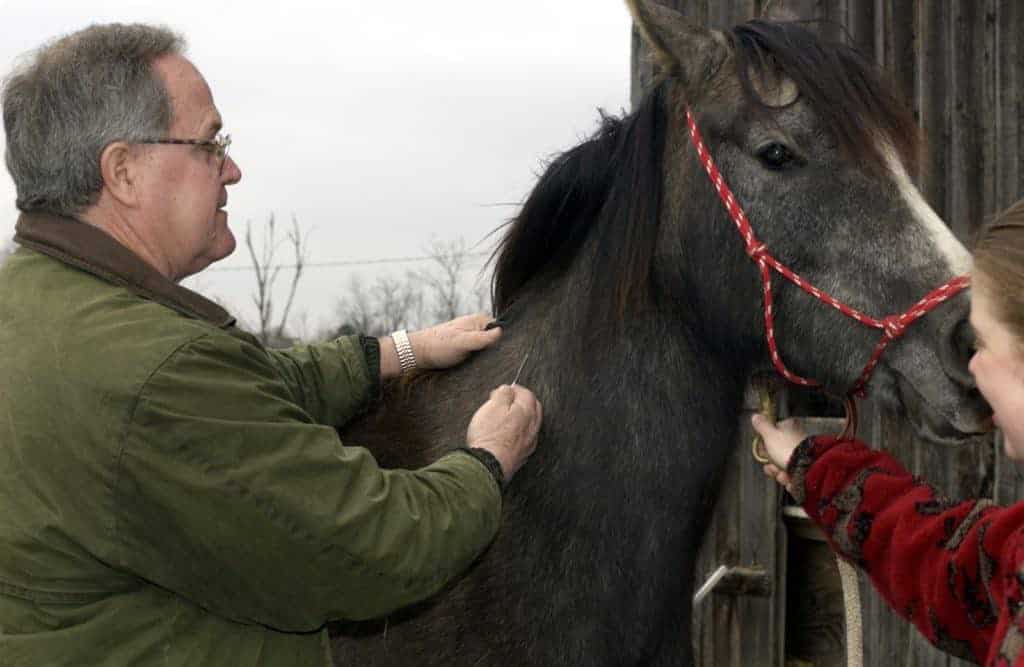
The vaccine was released in high-risk Queensland and New South Wales on Nov. 1.

This pilot study is in preparation for a full vaccine trial, which is likely to commence in 2013 or 2014.
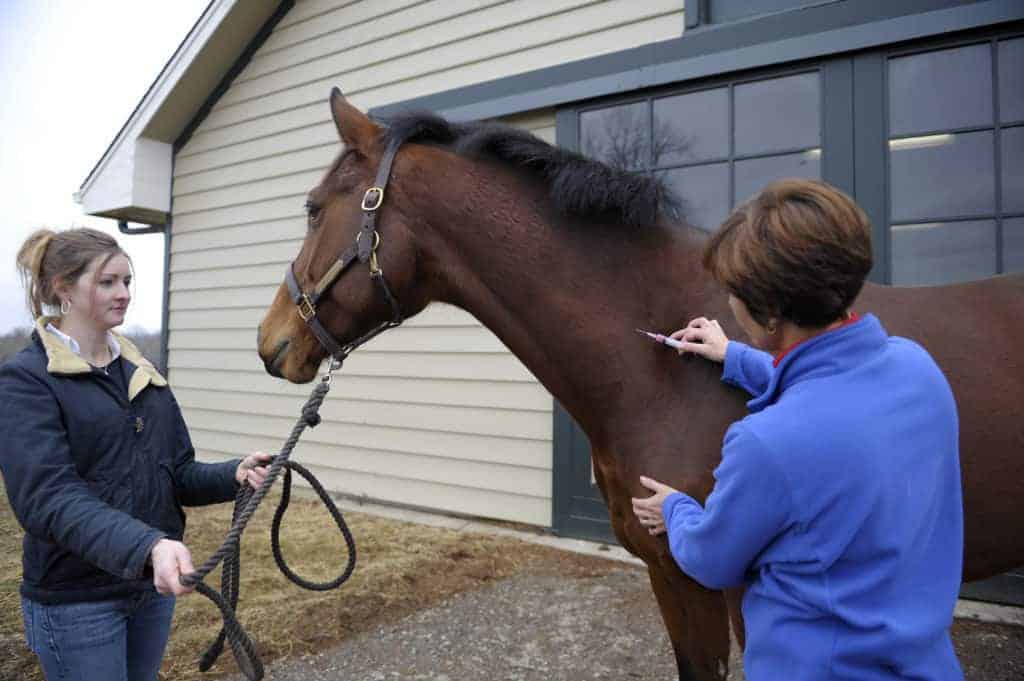
As of Nov. 6, the USGS indicated that the WNV and EEE totals had risen to 620 and 204, respectively.

The long-awaited vaccine will be available for horse owners through their veterinarians.
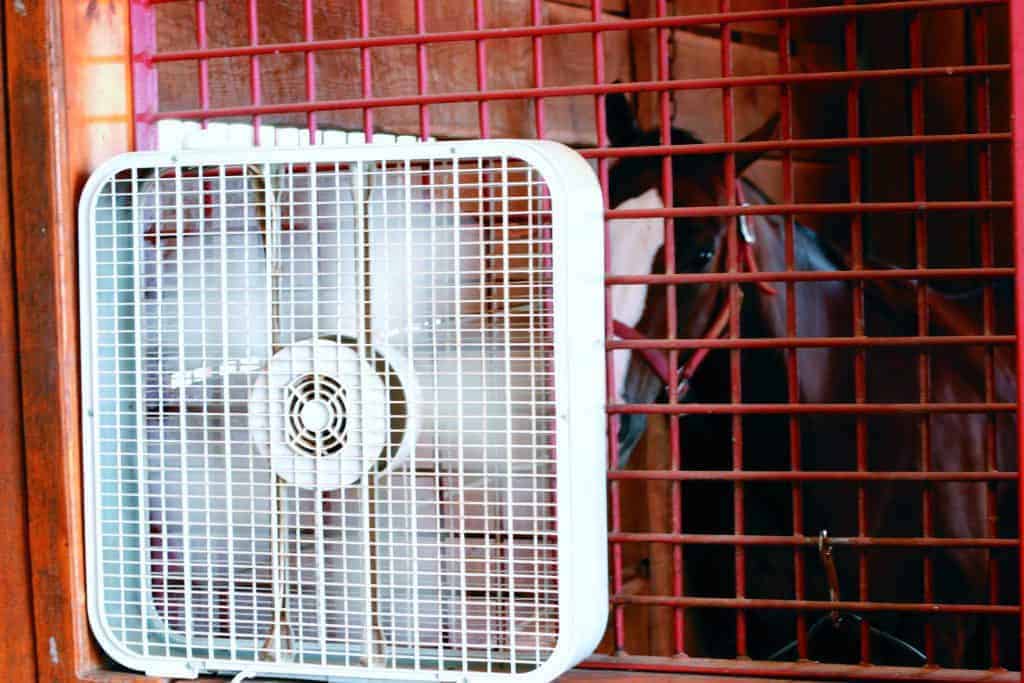
Seventy-two horses residing in 49 Texas counties had been confirmed positive since the beginning of the year.

People need to take the WNV risk to themselves and their horses seriously. What are you willing to do?

The current equine WNV case total marks a 372% increase compared to last year’s total.
Life-threatening diseases are out there, and the best way to help protect your horse is to vaccinate.
Two EEE cases and one WNV case have been confirmed in New York horses this year.

The unvaccinated horse began showing signs of disease on Sept. 16 and was euthanized the following day.
A horse in the Hillsborough County town of Derry was confirmed positive for Eastern equine encephalitis.

The unvaccinated 5-year-old Tennessee Walking Horse gelding from Garrad County was euthanized Sept. 18.
Summer might be winding down, but equine mosquito-borne disease case numbers continue to rise.