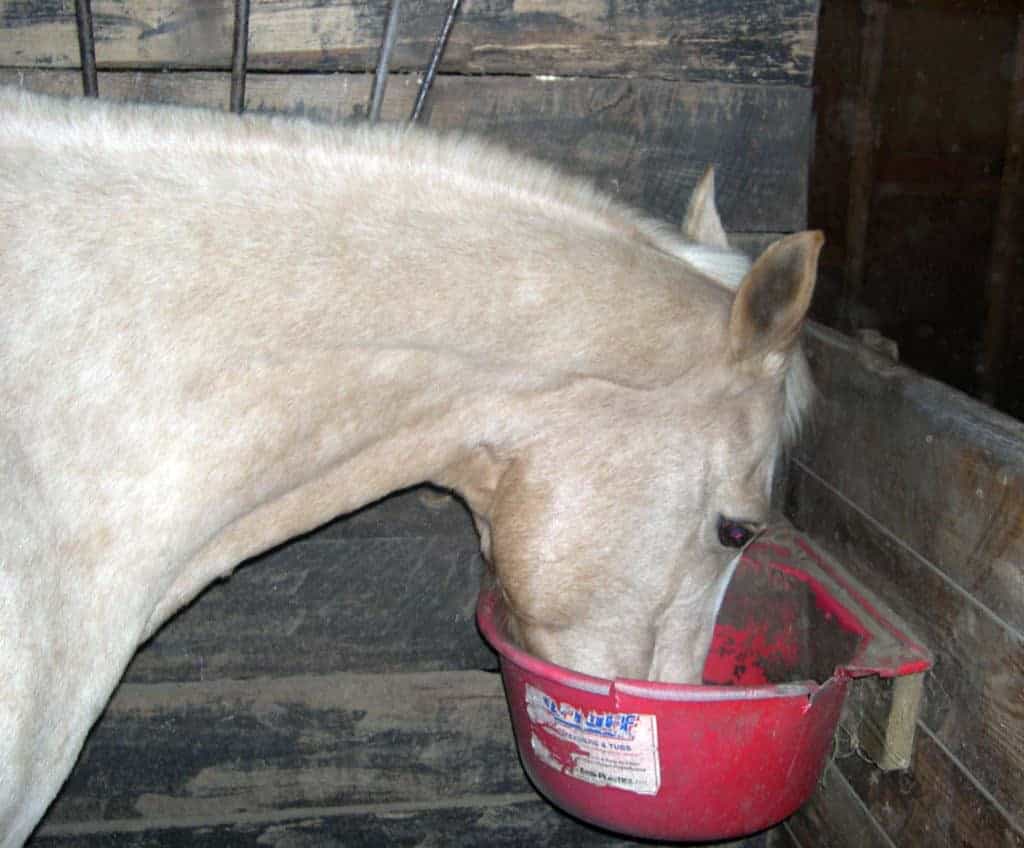
Managing Equine Genetic Disorders with Nutrition
Managing diet can help alleviate signs of some equine genetic disorders, such as PSSM and HYPP.

Managing diet can help alleviate signs of some equine genetic disorders, such as PSSM and HYPP.
The event will take place June 11-12 at the Kentucky Horse Park during the County Heir horse show.

Post-anesthetic myelopathy is a rare but deadly complication of general anesthesia in horses.
The AAEP defines a compounded drug as one that is created by manipulating an existing FDA-approved drug.
Veterinarians will provide veterinary care for working donkeys in Arusha, Tanzania.
Parasitologists now recommend deworming based upon the each horse’s needs, determined by fecal egg counts.

Dr. William Farmer, Racetrack Veterinarian for the Kentucky Horse Racing Commission, describes the frequency of Derby horse vet checks, along with safeguards once the horses head toward the paddock.

Dr. William Farmer, Racing Veterinarian for the Kentucky Horse Racing Commission, demonstrates and describes a race-day health check on location at Churchill Downs.
Dr. William Farmer, Racing Veterinarian for the Kentucky Horse Racing Commission, describes the many regulatory veterinary checks designed to ensure a horse is fit to race in the Derby or Oaks.
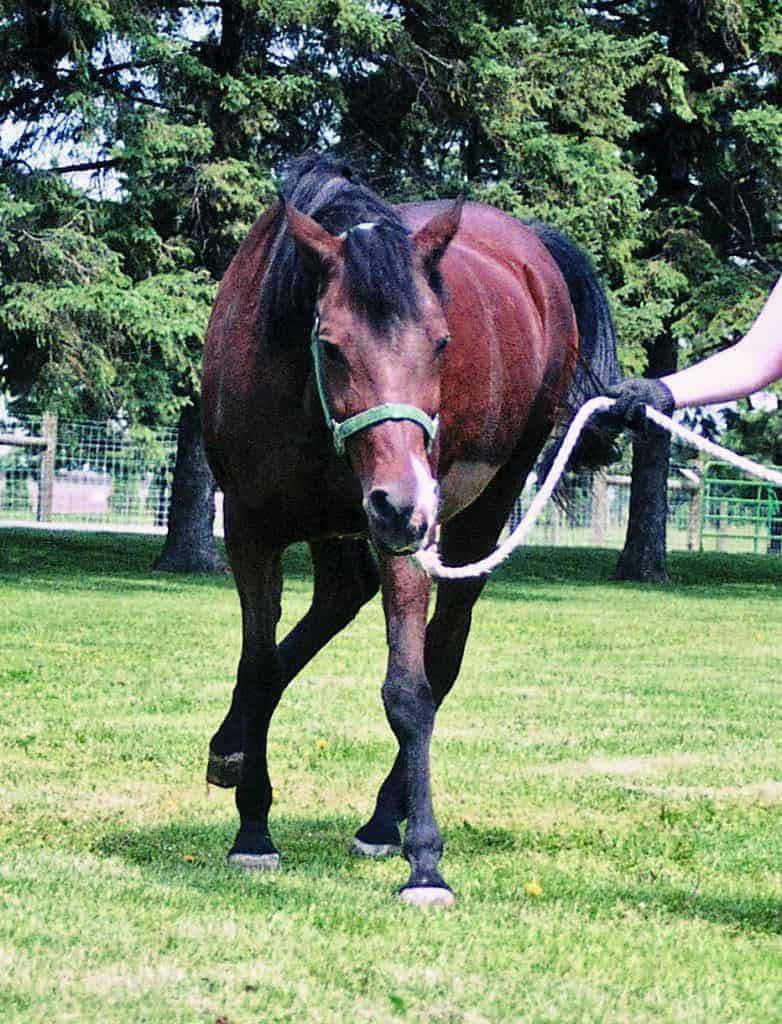
Equine protozoal myeloencephalitis (EPM) continues to pose diagnostic and treatment challenges.
This project will evaluate NSAIDs’ effect on a horse’s ability to benefit from a commercial influenza vaccine.

After buying a horse, reality sets in, and the owner realizes that even one horse is a lot of responsibility and hard work.
In 2011, 15 horses in California were confirmed positive for WNV; four of those 15 were euthanized.
Sixteen colts or stallions were gelded at the March 10 low-cost gelding clinic.
The Texas Veterinary Diagnostic Laboratory tallied more than 150 positive pigeon fever cultures in 2011.
All horses’ health can be compromised by the development of parasite resistance to dewormers.