Water Temperature and Horse Drinking Behavior
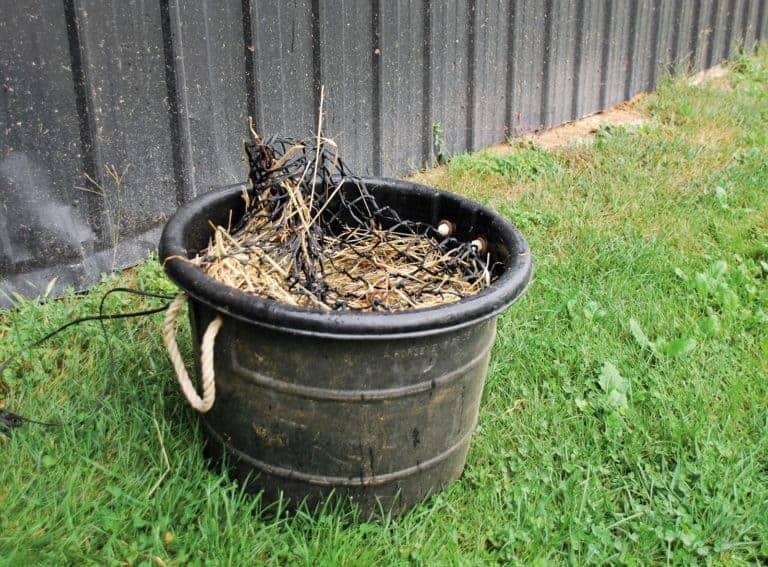
Why might our horses drink from an ice cold creek or tank rather than from the heated water buckets? Equine behaviorist Dr. Sue McDonnell explains.

Why might our horses drink from an ice cold creek or tank rather than from the heated water buckets? Equine behaviorist Dr. Sue McDonnell explains.

Nearly all organisms, including horses, adapt their lifestyles to the timing of sunrise and sunset. From breeding to performance to haircoats—understanding how horses respond to light can help you manage them accordingly.

Do you have a young horse in your life? Learn about young horse growth, development, exercise, and nutrition during this Q&A.

Biting is a sign of stress in foals. In this study, foals less than 8 weeks old that didn’t have training breaks bit their handlers more frequently than ones that got days off between training sessions.

Have you tried incorporating clicker training into your horse training? Stephanie shares how clicker training exercises are helping strengthen both her OTTB’s core and their communication on the ground.

And what difference would it make to the horse if he wins or loses? An equine behaviorist weighs in.

British researchers investigated spur use in riders. Here’s what they found.

What might cause a young male donkey to suddenly split from the herd? An equine behaviorist offers insight.
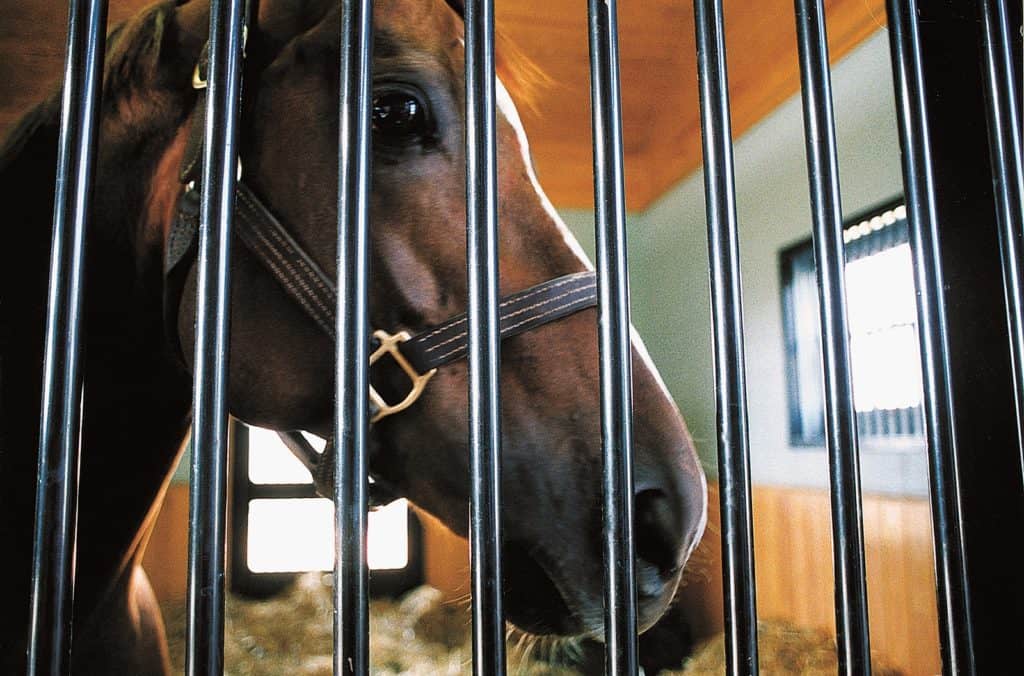
French researchers found that horses stalled with enrichments, such as forage, windows, and toys, still exhibited signs of stress and depression associated with confinement.

Researchers found that horses can teach themselves to open a variety of locks and latches.
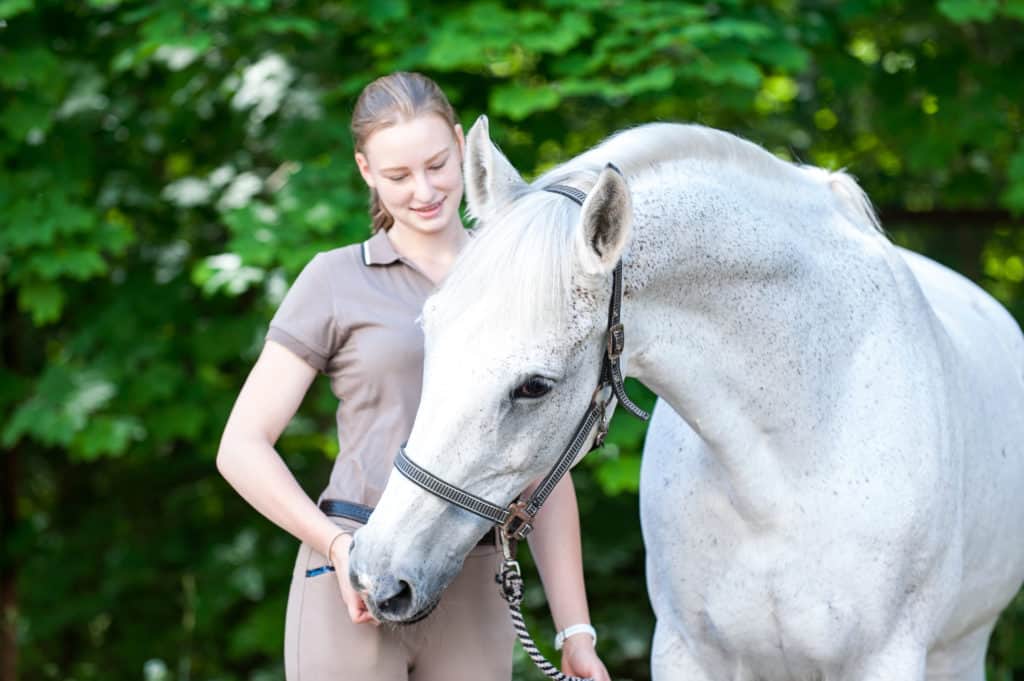
A zooarchaeologist presented a brief history of how horses and humans have coexisted and interacted over the the millennia at the International Society of Equitation Science convention.

Some horses readily express their discomfort. Others are quieter. Learn to look for subtle signs of pain in your horse.

Scientists and handlers use a large range of methods and opinions when interpreting equine behavior. A researcher from New Zealand calls for a standard.

Temperament testing by a Brazilian research team found horses were more reactive with poorly matched riders, and a long-term riding relationship between horse and human didn’t guarantee a better outcome.
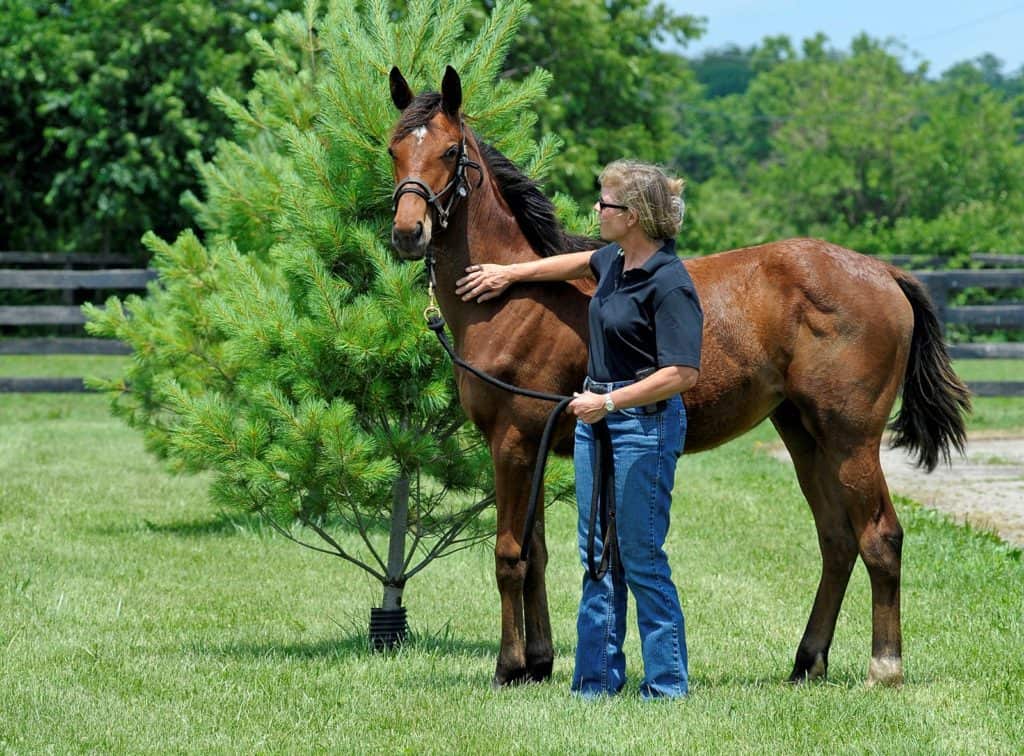
Dr. Nancy Diehl shares how you can earn your horse’s respect through consistent training with both positive and negative reinforcement.
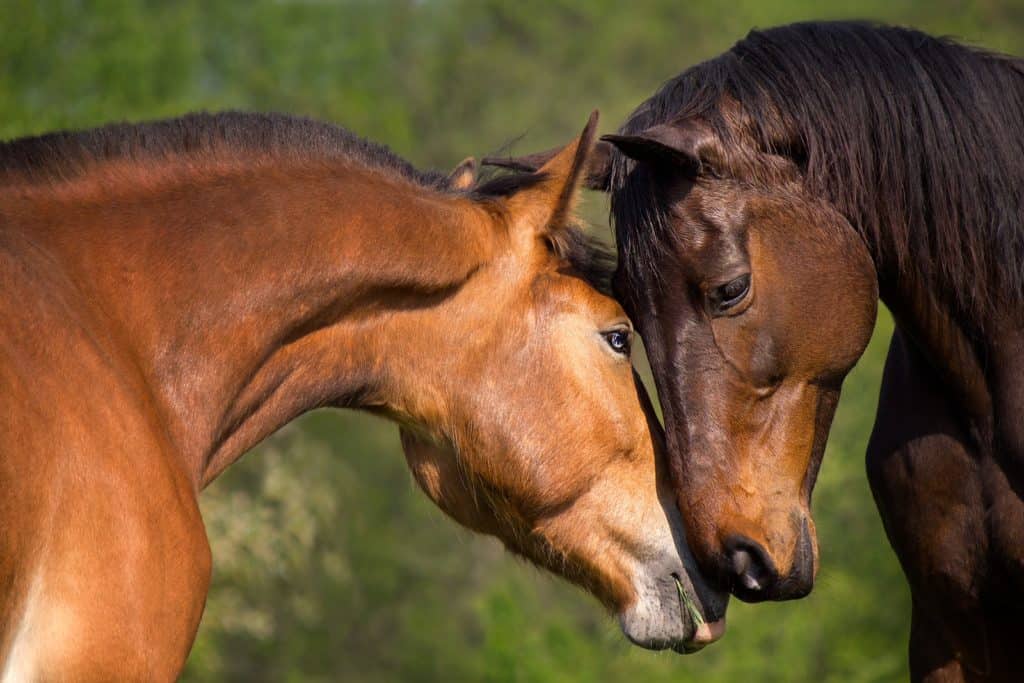
An equine behavior expert and veterinarian shares recommendations for introducing horses that will live together.