Study Confirms Horses Respond to Negative Reinforcement
Researchers proved that horses can become “lighter” with proper negative reinforcement training.

Researchers proved that horses can become “lighter” with proper negative reinforcement training.

Researchers are studying how forces applied by saddle and rider affect a horse’s performance and welfare.
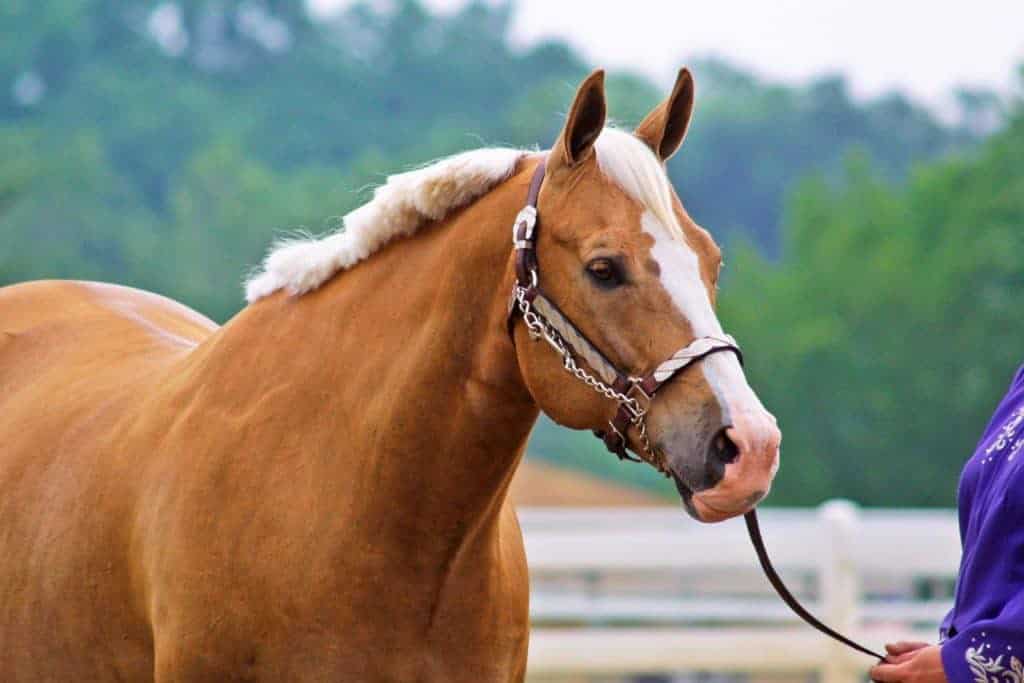
Researchers sought better understanding of the welfare concerns relating to stock-type show horses.
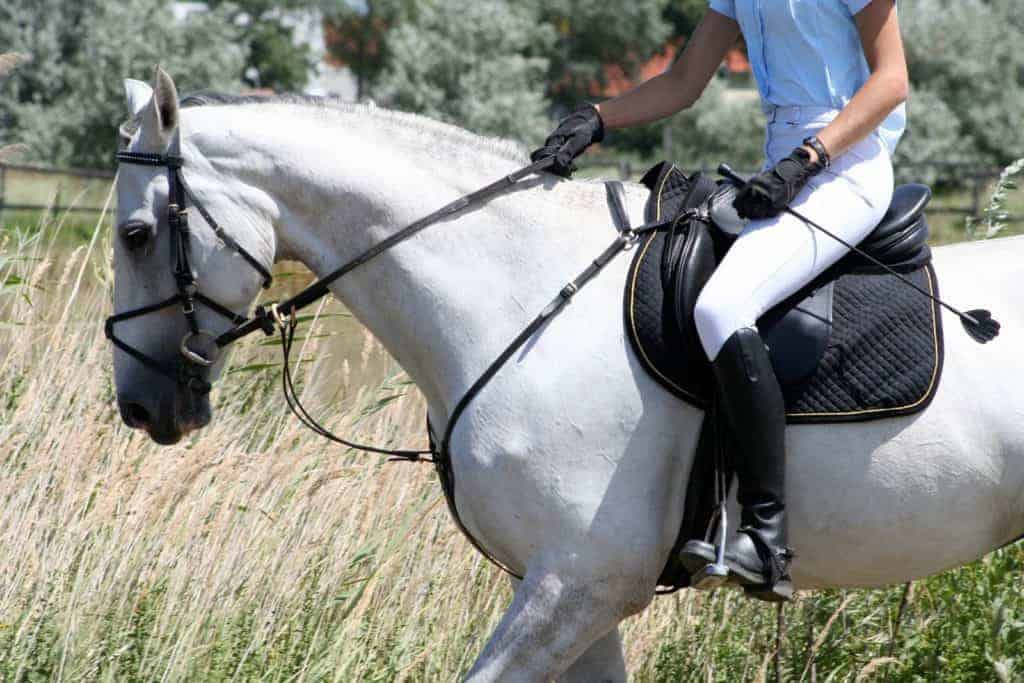
Researchers take a look at whip use by jumper riders and how it relates to performance outcomes.
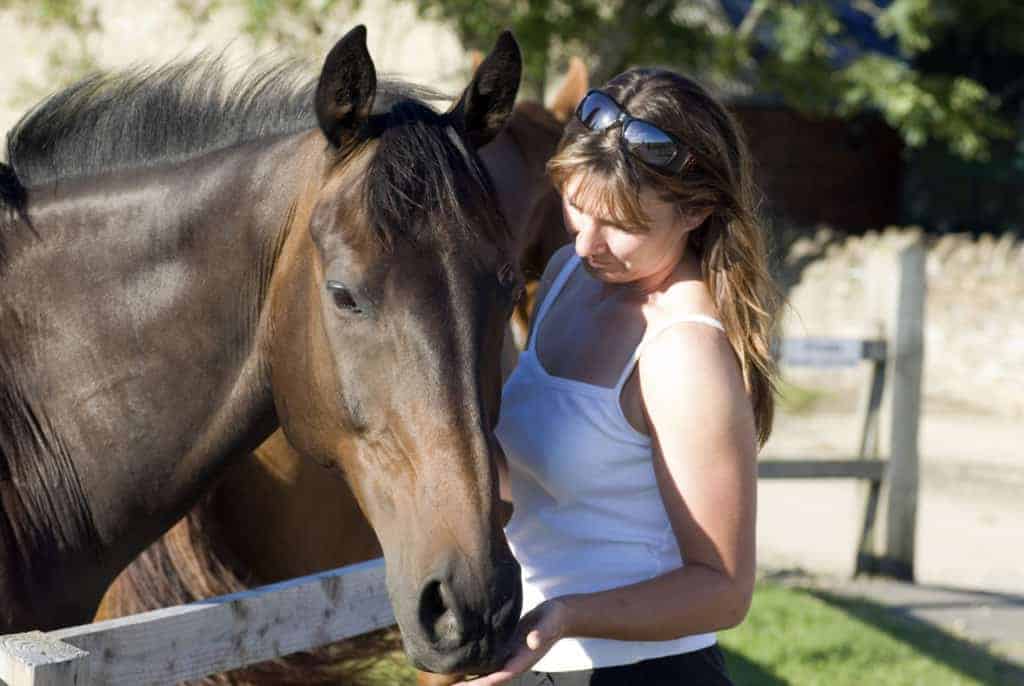
It seems like horses respond to changes in human voice tone, but is it a coincidence? Researchers found out.
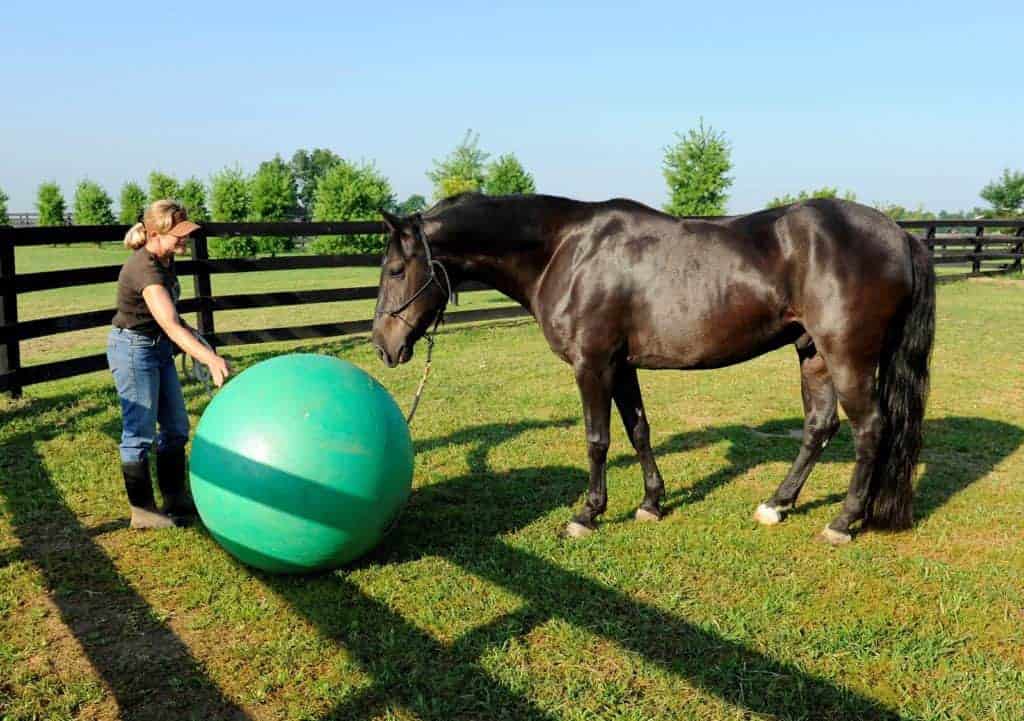
One of the most consistent indicators of equine temperament is a horse’s novelty response, researchers say.

Researchers estimate that if a horse investigates an object for 13 seconds or more, then he is likely playing.

More frequent forage feedings for group-housed horses could lead to a balance between feeding and resting.
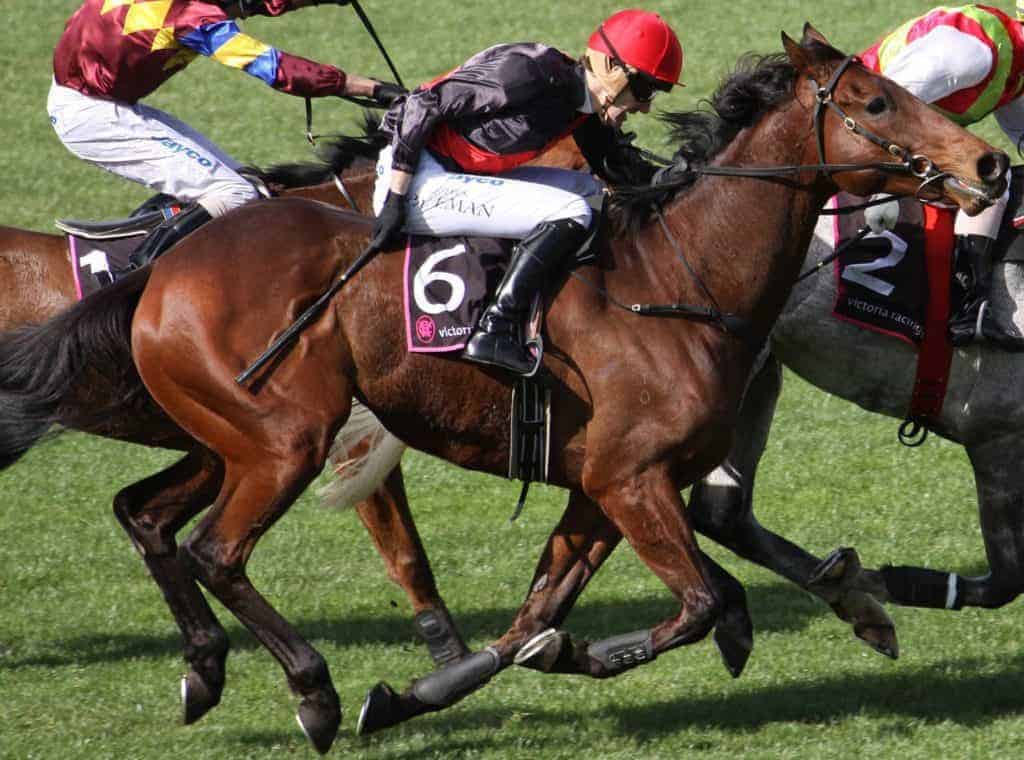
Jockeys struck a simulator with significantly (approximately 15%) more force with the backhand than forehand.
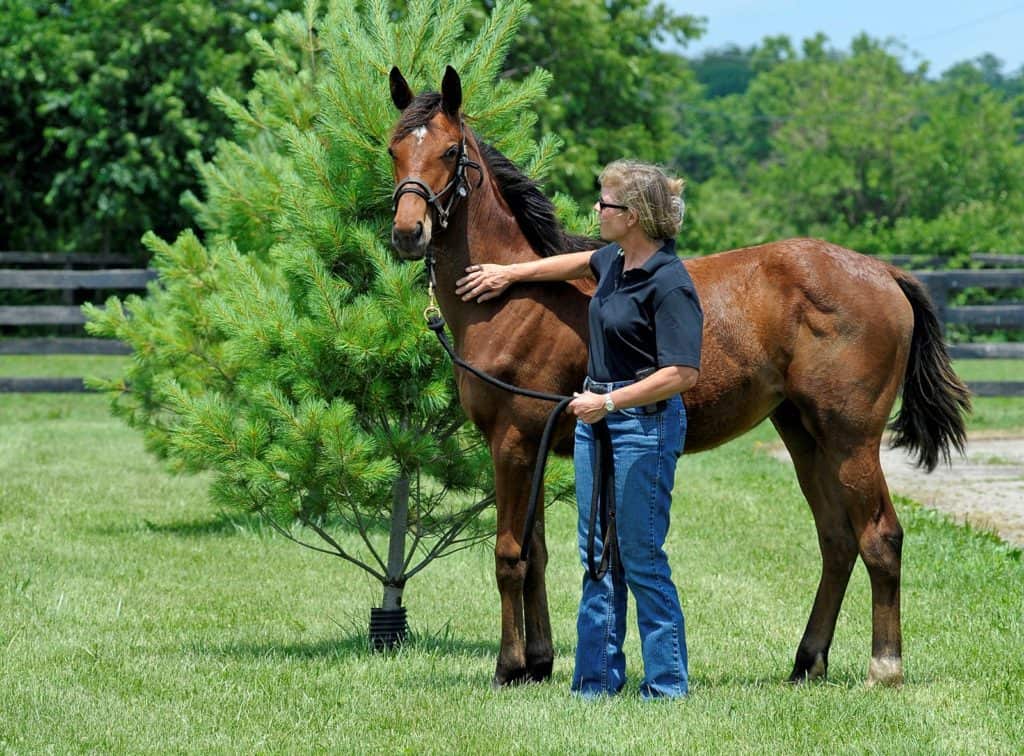
Training efficacy and stress levels were similar in the negative and positive reinforcement groups.
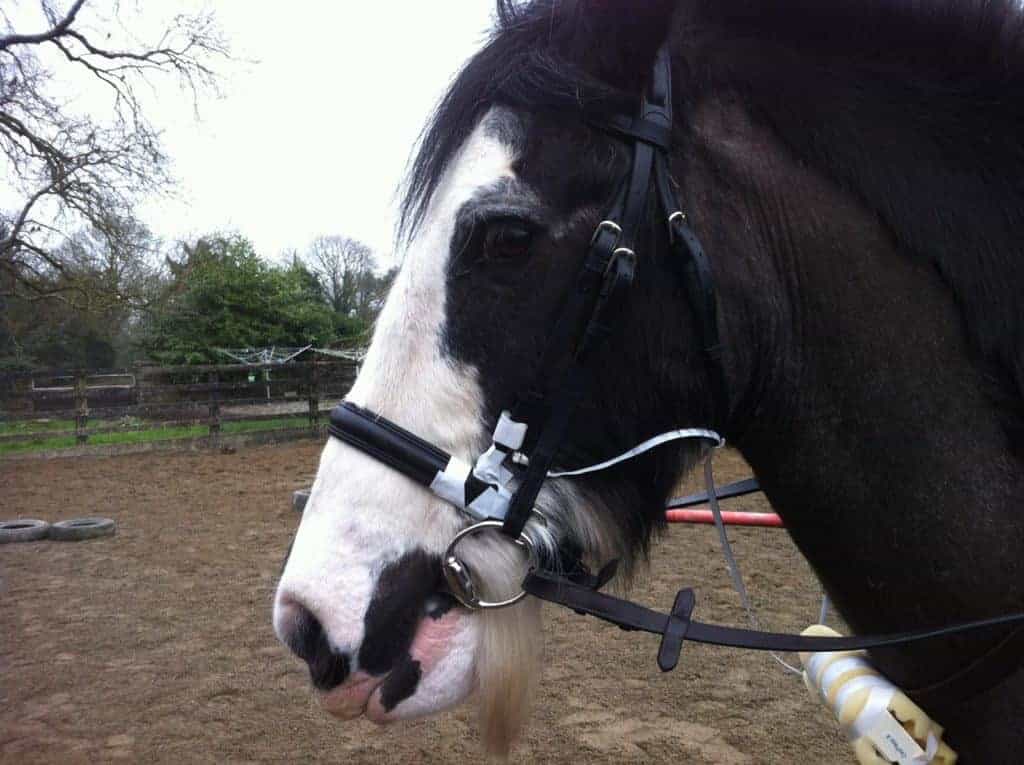
Researchers recently developed two pressure detection systems to measure pressure exerted by nosebands.
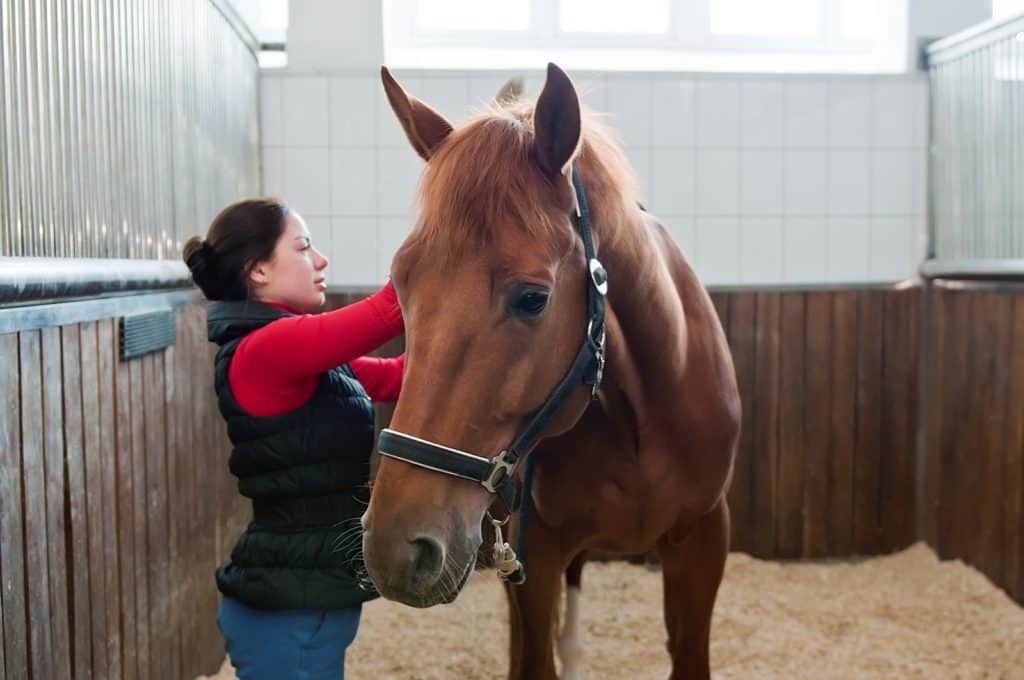
Horses undergoing T-Touch exhibited fewer aggressive reactions than those experiencing massage or rest.
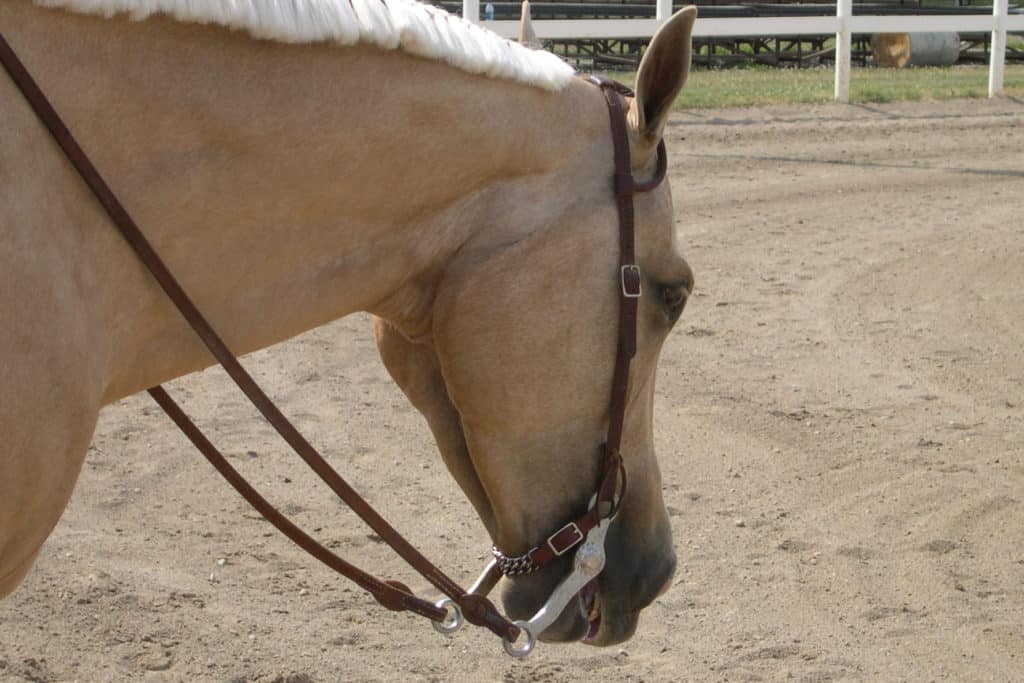
Dr. Hayley Randle shares why it’s important for riders and coaches to understand rein tension.

Dr. Hayley Randle of Duchy College in Cornwall, U.K., compares how professional and amateur riders responded during her rein tension study.

Training outcomes are affected by a horse’s arousal state and his attachment to his trainer, scientists say.

Reflective equipment use doesn’t appear to affect the occurrence or absence of near misses with traffic.