Dopamine and Horses: Learning, Stereotypies, and More
Without dopamine, horses wouldn’t learn. But with too much, they can develop stereotypies. Here’s what you need to know.

Without dopamine, horses wouldn’t learn. But with too much, they can develop stereotypies. Here’s what you need to know.
The annual equitation science conference will take place Aug. 5-8 in Vancouver, British Columbia, Canada.
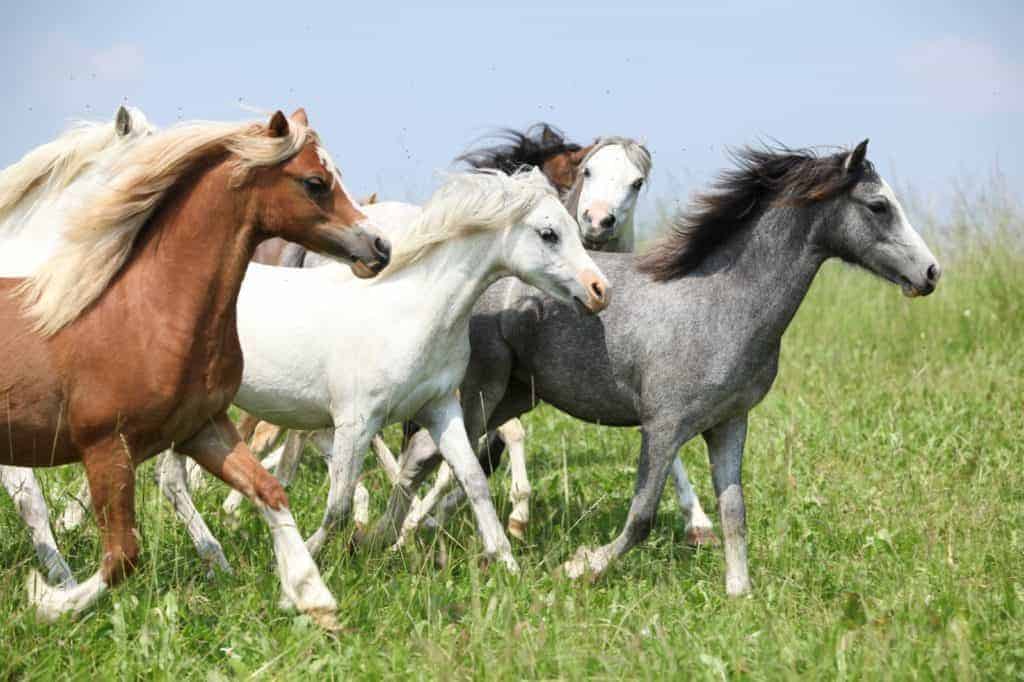
Researchers determined that the dominant horse is rarely the one who takes the first steps to get the herd moving.

While fearfulness might seem like a negative trait, it can be quite beneficial in some scenarios, scientists found.

Researchers tried several methods by which to measure foals’ learning abilities with mixed results.

Factors such as age, breed, discipline, and more can impact a horse’s temperament, scientists found.
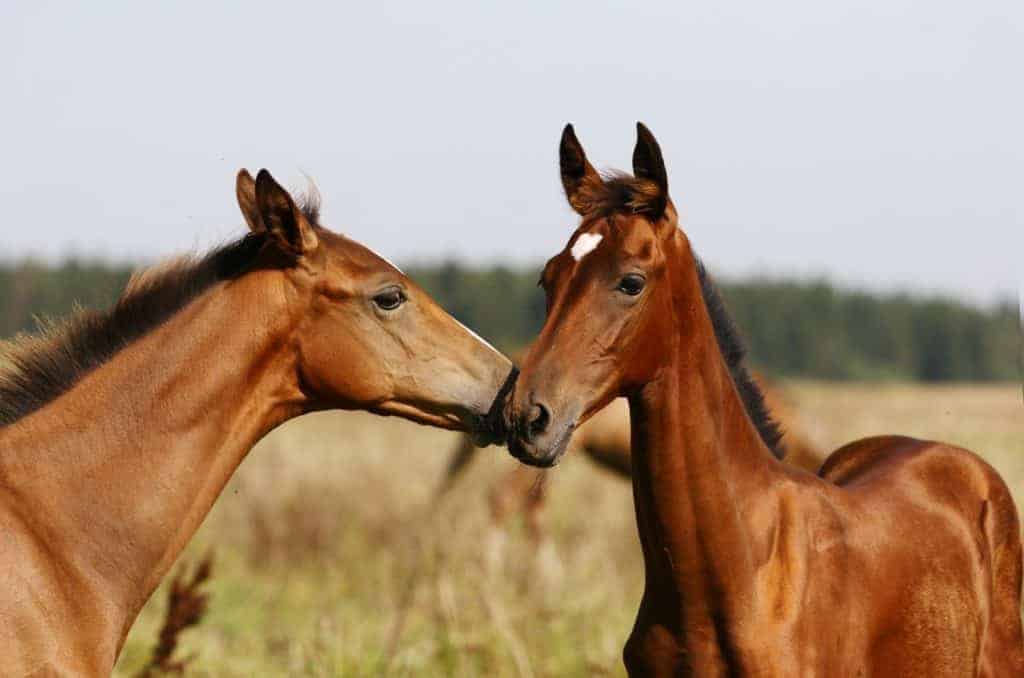
Switzerland is a leader in animal rights legislation, and the impact on horse management is significant.
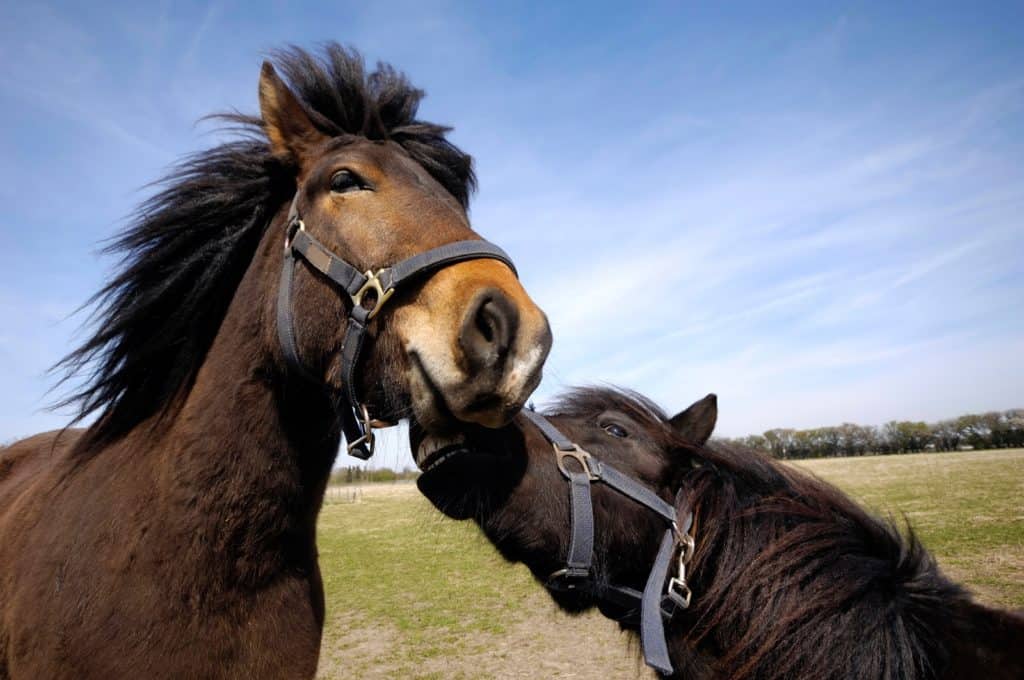
Dominant horses are typically older, larger, and less fearful than other horses in a herd, researchers found.

“Enriched” clinics could help improve equine welfare, leading to quicker healing times and safer environments for staff.
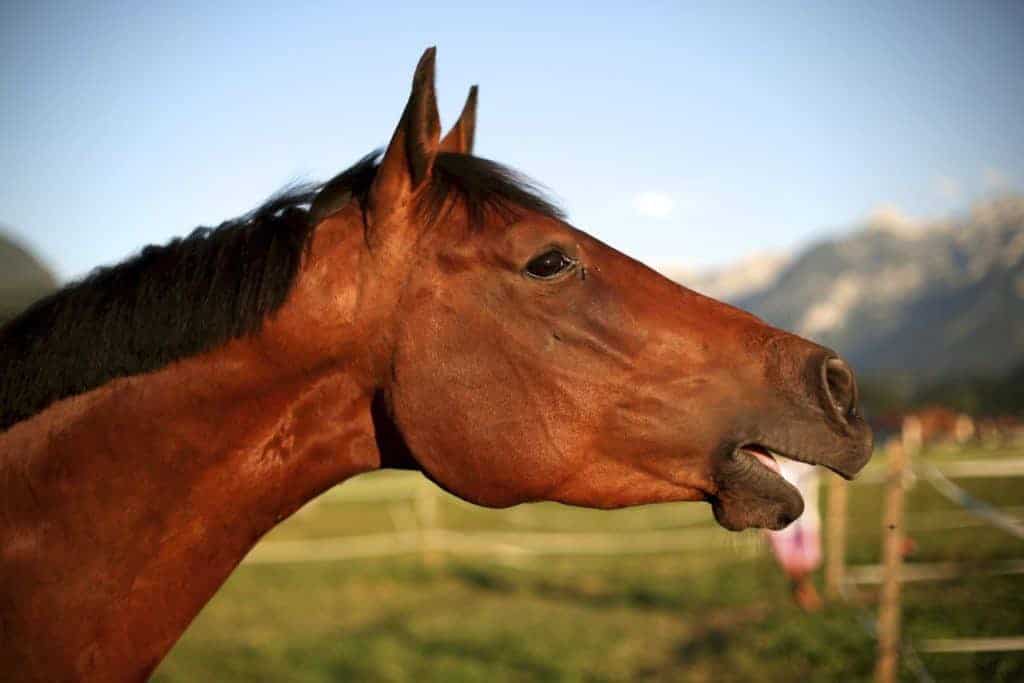
Stallions with low-pitched whinnies were more fertile and more attractive to mares than those with high-pitched voices.
The 2015 International Equitation Science Conference will focus on promoting ethical equitation for all disciplines.
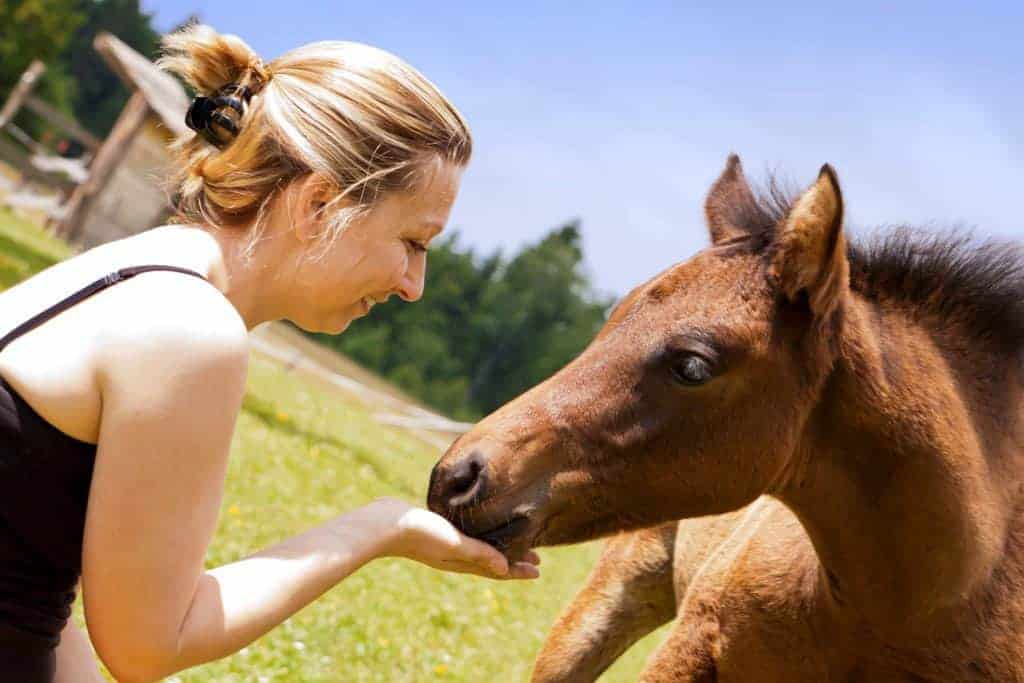
A good relationship with the dam is an easy way to promote positive interactions between foals and humans.

They also identified a significant correlation between certain temperament parameters and jumping performance.
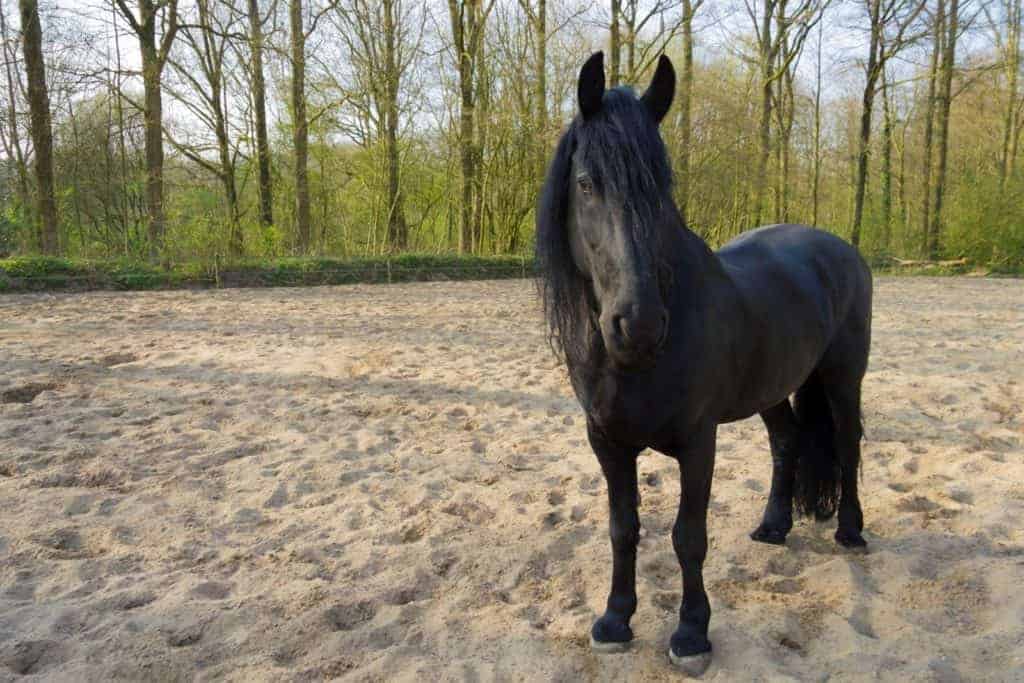
Learn about the “Complete Temperament Test,” which is designed to measure five dimensions of equine personality.

Researchers recently took a closer look at how horses use their faces and ears to communicate with herdmates.
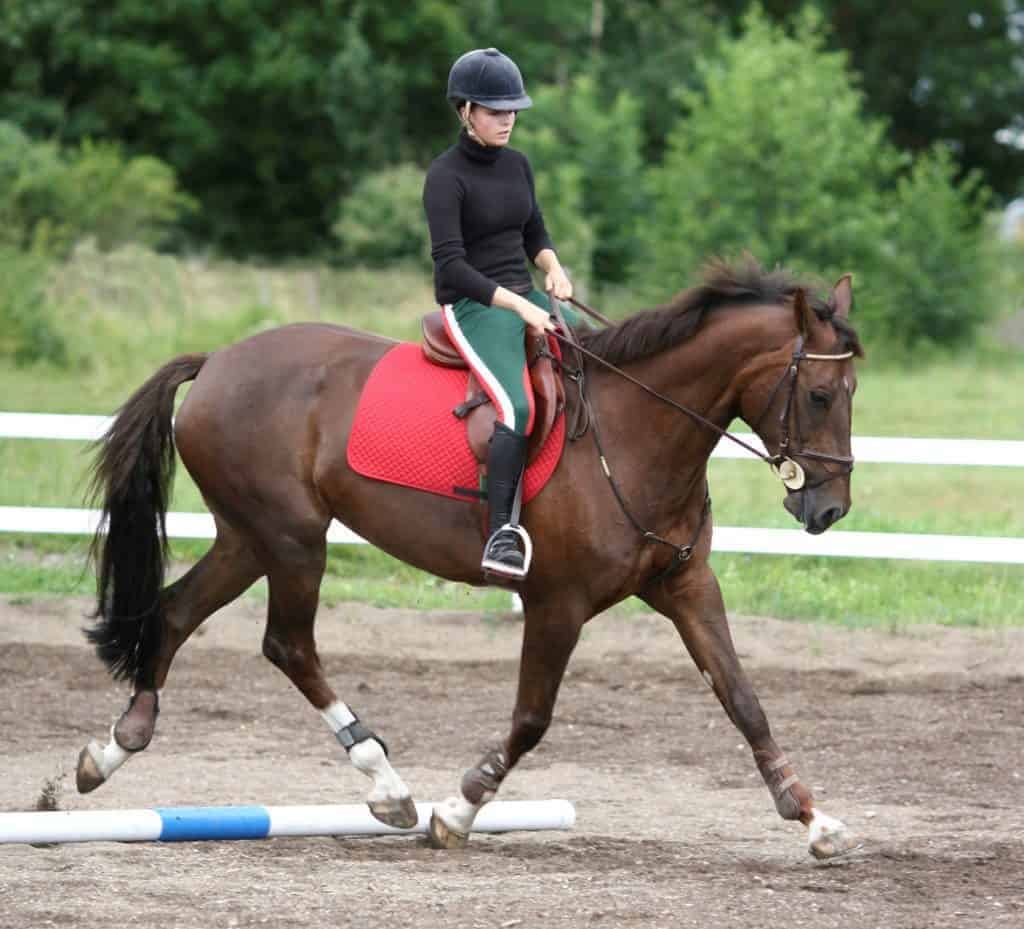
Of the 700 respondents, 522 (75%) said yes, they have started a horse under saddle themselves.