Dental Work and Mature Equine Athletes
How often does an older riding horse need his teeth checked by a vet? Dr. Erin Denney-Jones offers advice.

How often does an older riding horse need his teeth checked by a vet? Dr. Erin Denney-Jones offers advice.

Drs. Ann Rashmir-Raven and Erin Denney-Jones say even a few coughs from your senior horse under saddle aren’t okay.

Ashley Wagner-Wells’ research focused on equine protein metabolism and skeletal muscle physiology.

Do you have a mature or senior horse? Find out how to keep him comfortable and competitive as he ages!

Researchers believe the tested supplements could help reduce the joint inflammation that can lead to osteoarthritis.

Take steps to reduce the risk of laminitis development, such as combating obesity and reducing pasture and NSC intake.

Age-related issues can limit performance, but regular exercise remains important for older horses.

Using sensible strategies, we can help keep equine joints healthy and capable of withstanding athletic demands.
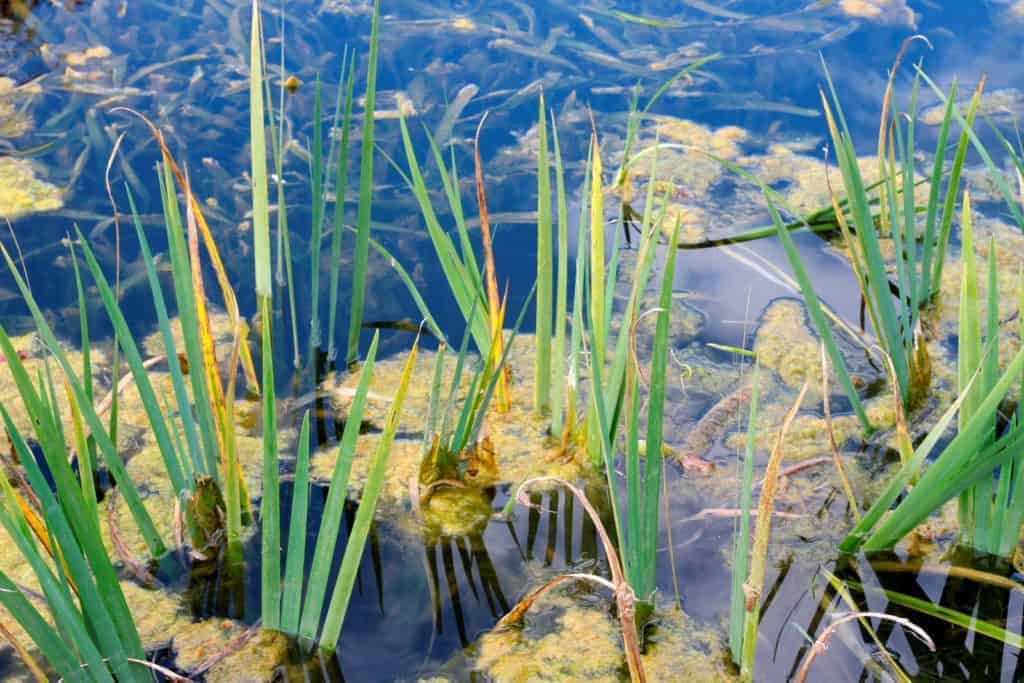
An extract from blue-green algae—a potentially toxic substance—could help arthritic horses without poisoning them.
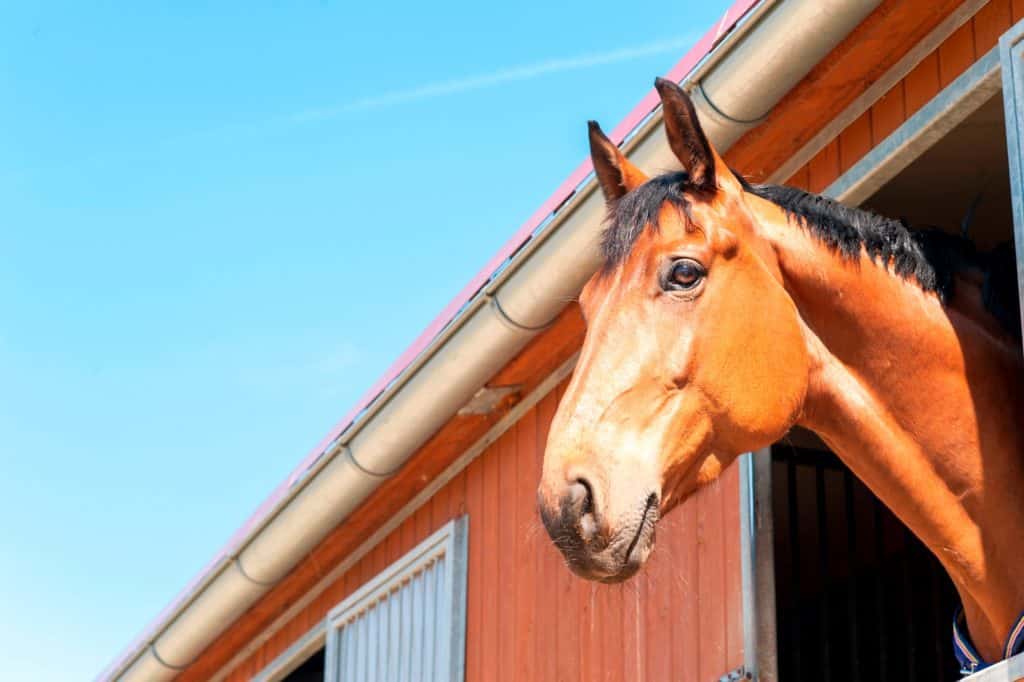
The British survey results also suggest that lamenesses are more likely to originate in the limb than in the foot.

Assess your horse’s body condition regularly so you can adjust his diet accordingly and identify potential problems.
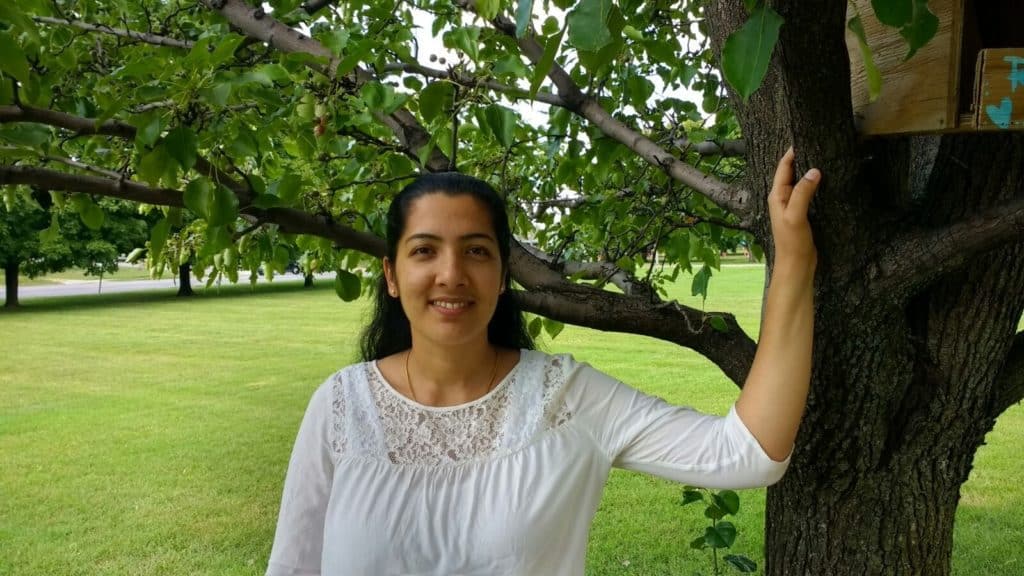
Parvathy Thampi is investigating the mechanisms that limit joint cartilage’s ability to repair.

Horses’ knees are prone to both congenital and acquired lameness problems. Here’s what you need to know.

Of the 1,452 respondents 579 (40%) said they occasionally treat their horse to apples or carrots.
The collection includes 10 studies on physiology, disease, diagnosis, and treatment techniques in equine dentistry.

Studying diseases across species can benefit horses as well as people.